

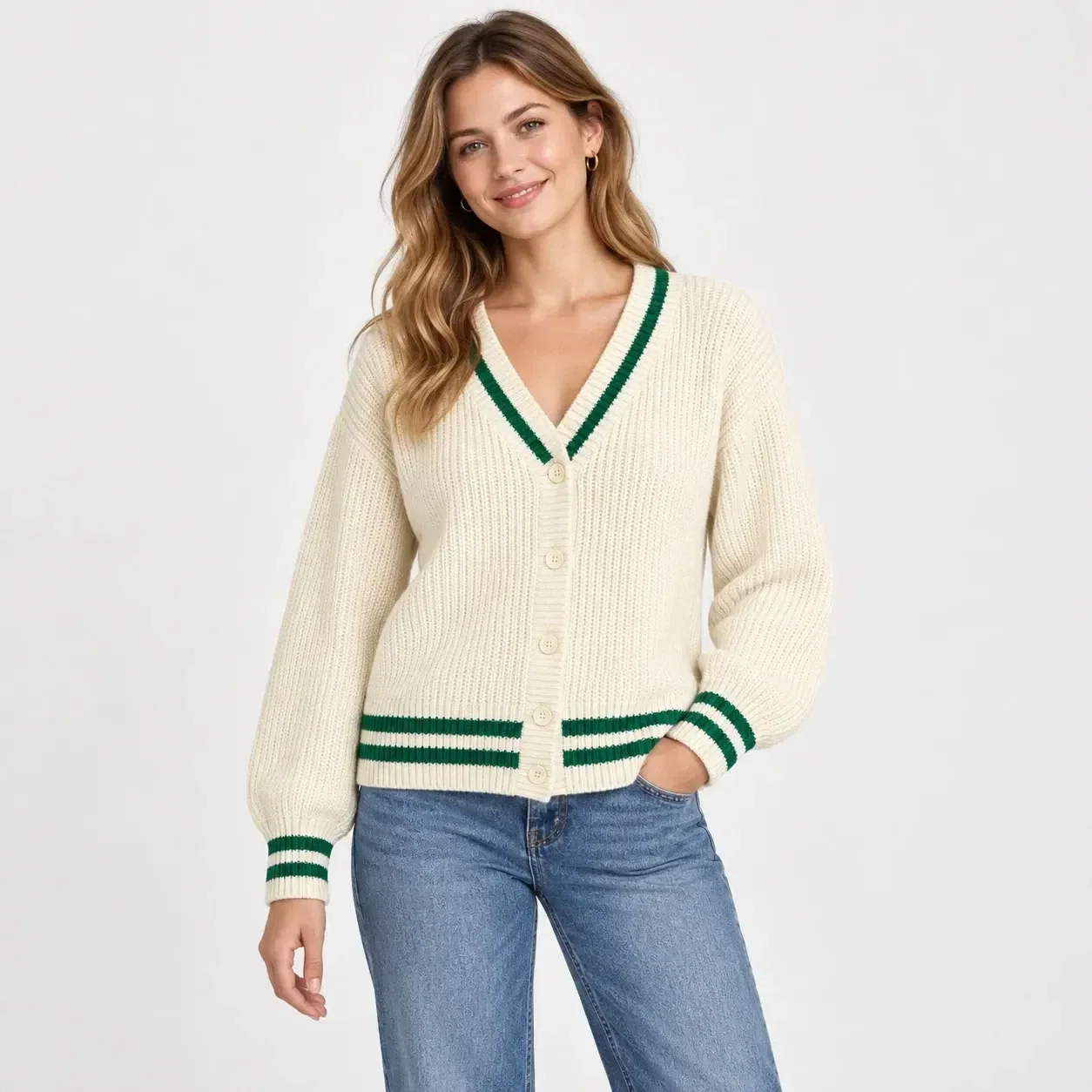
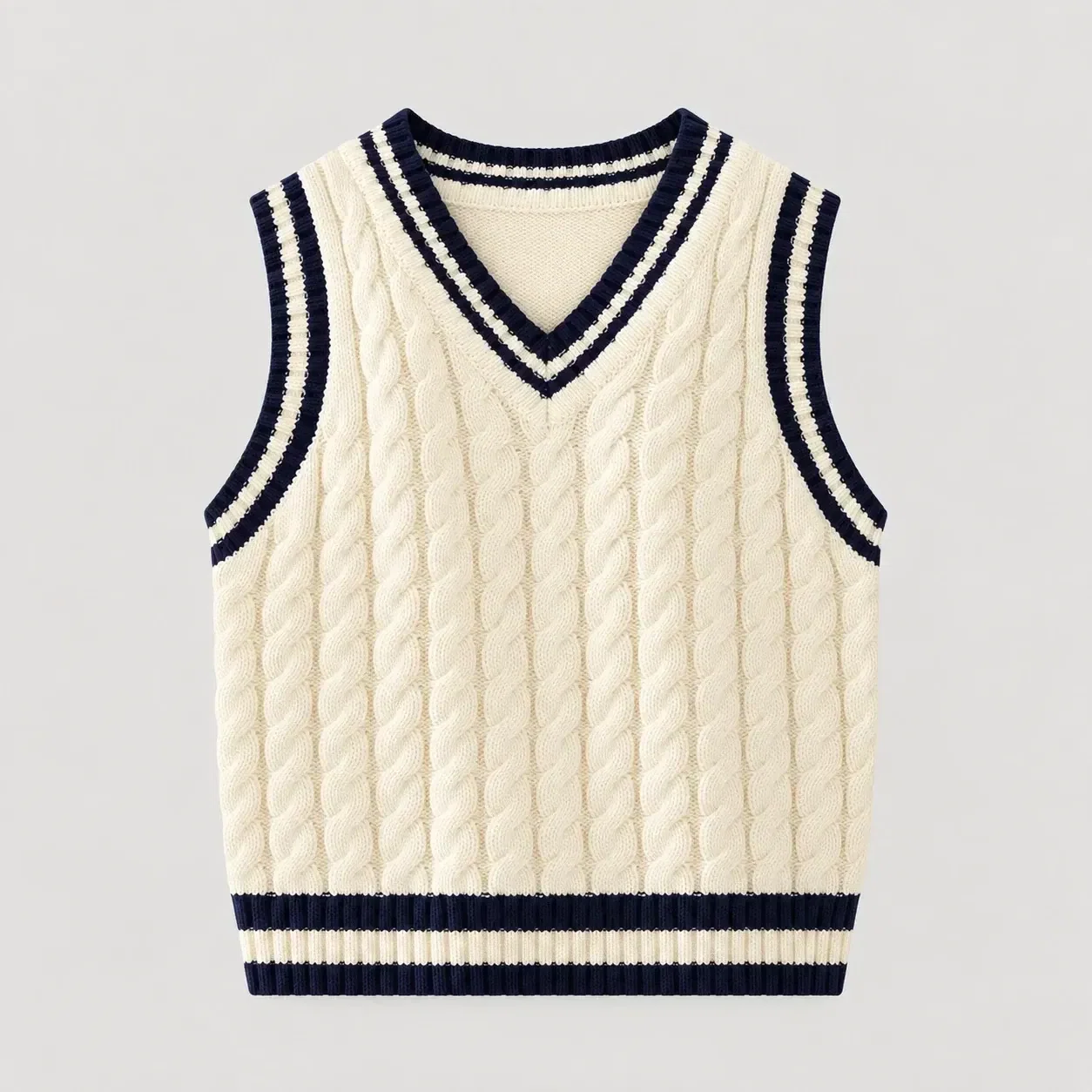
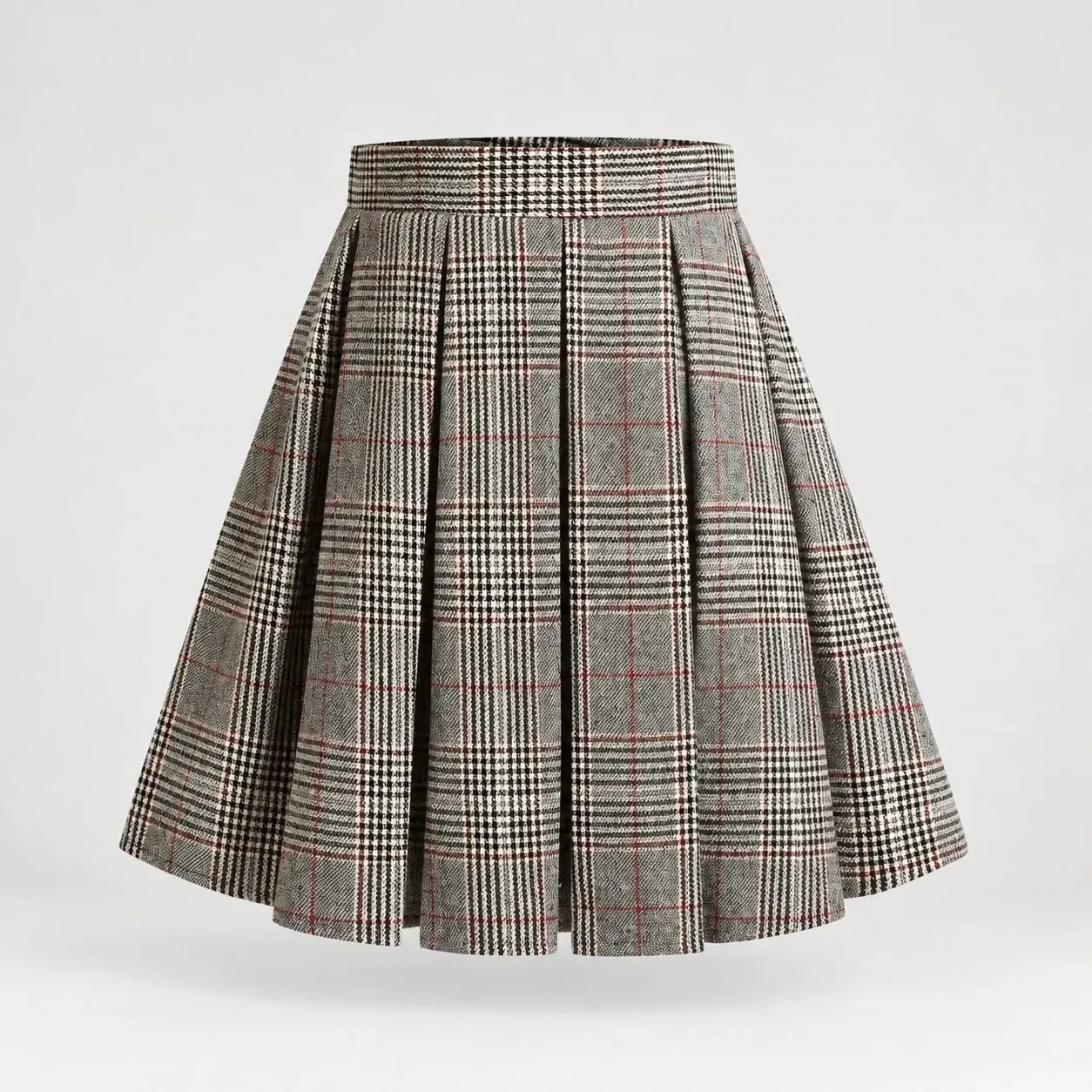
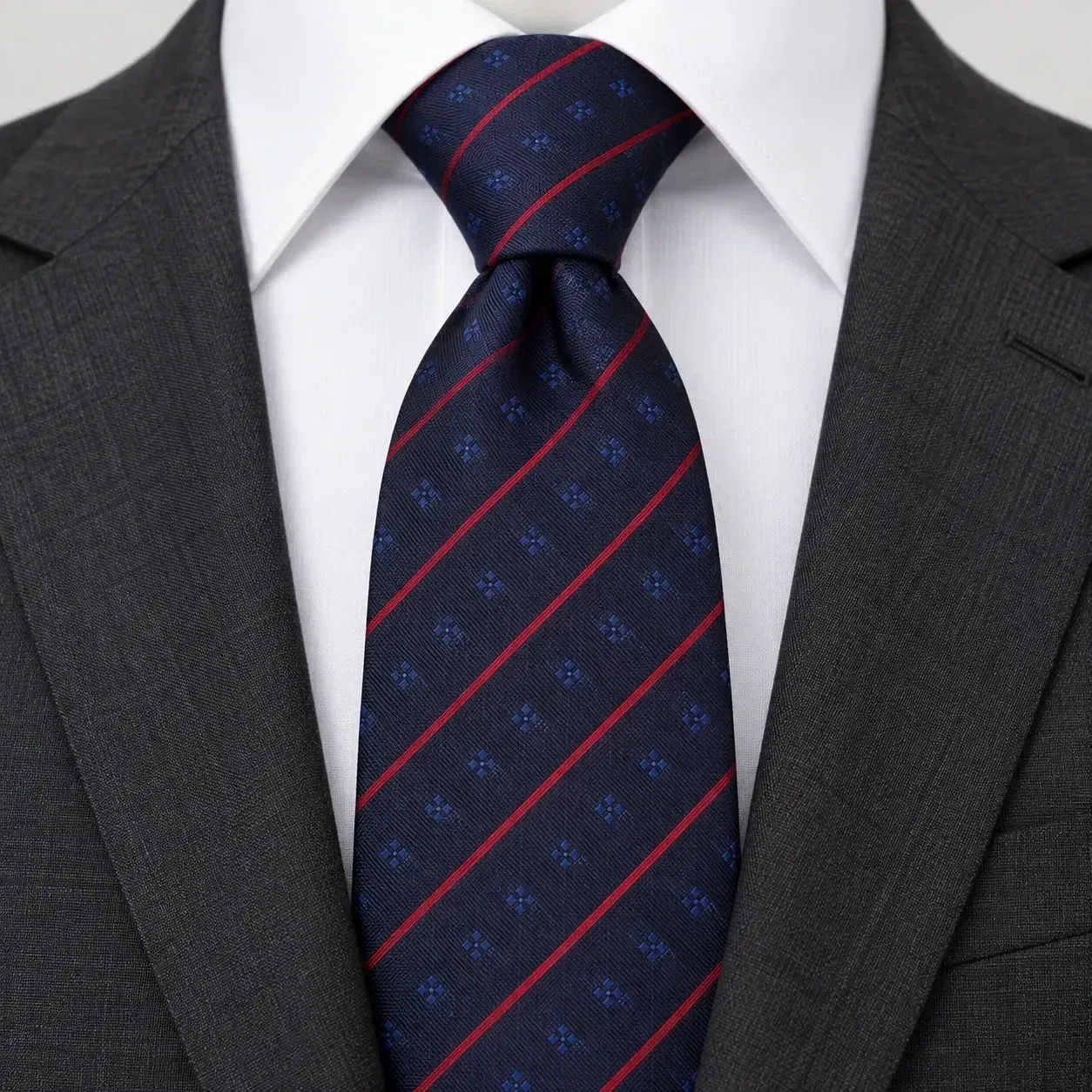
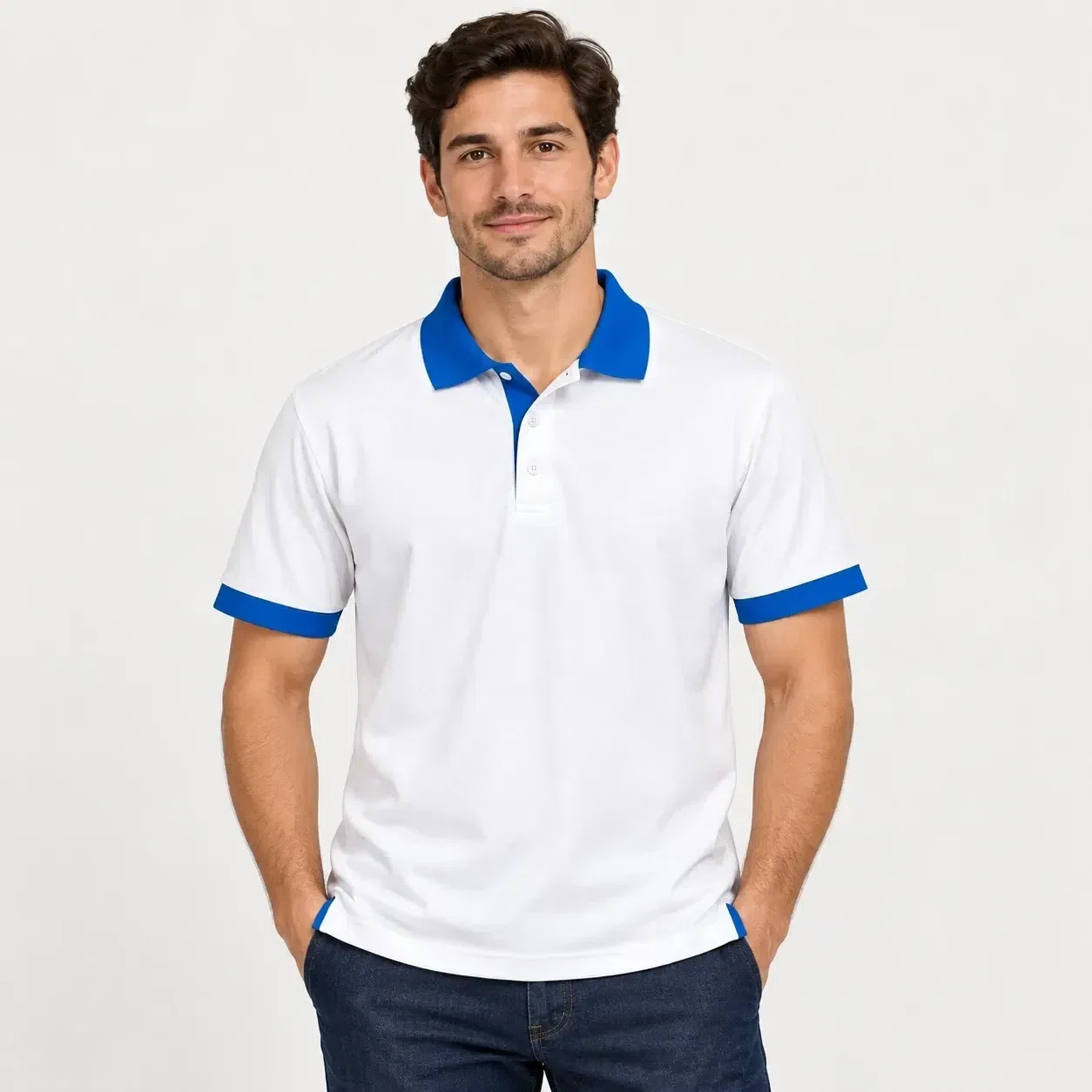
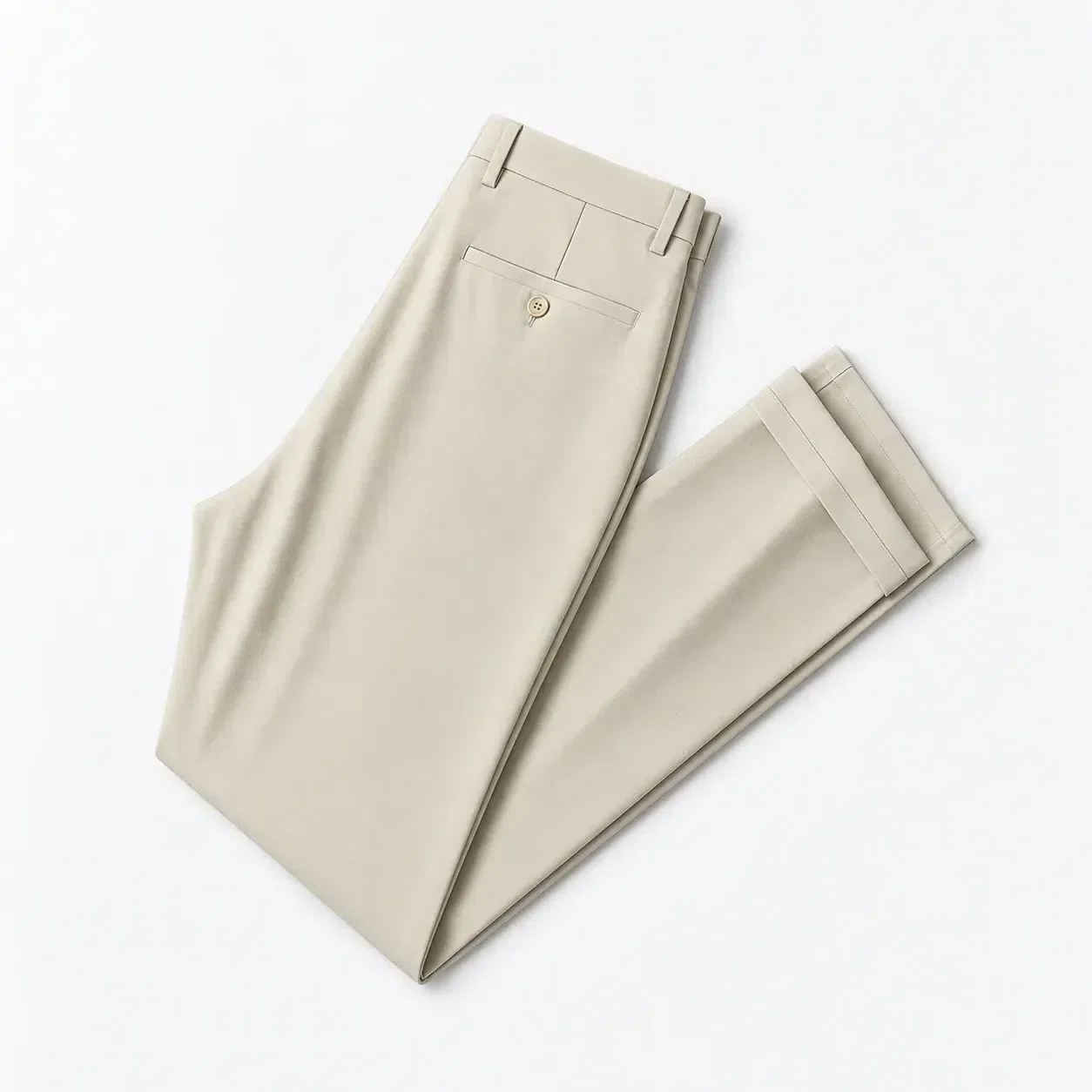
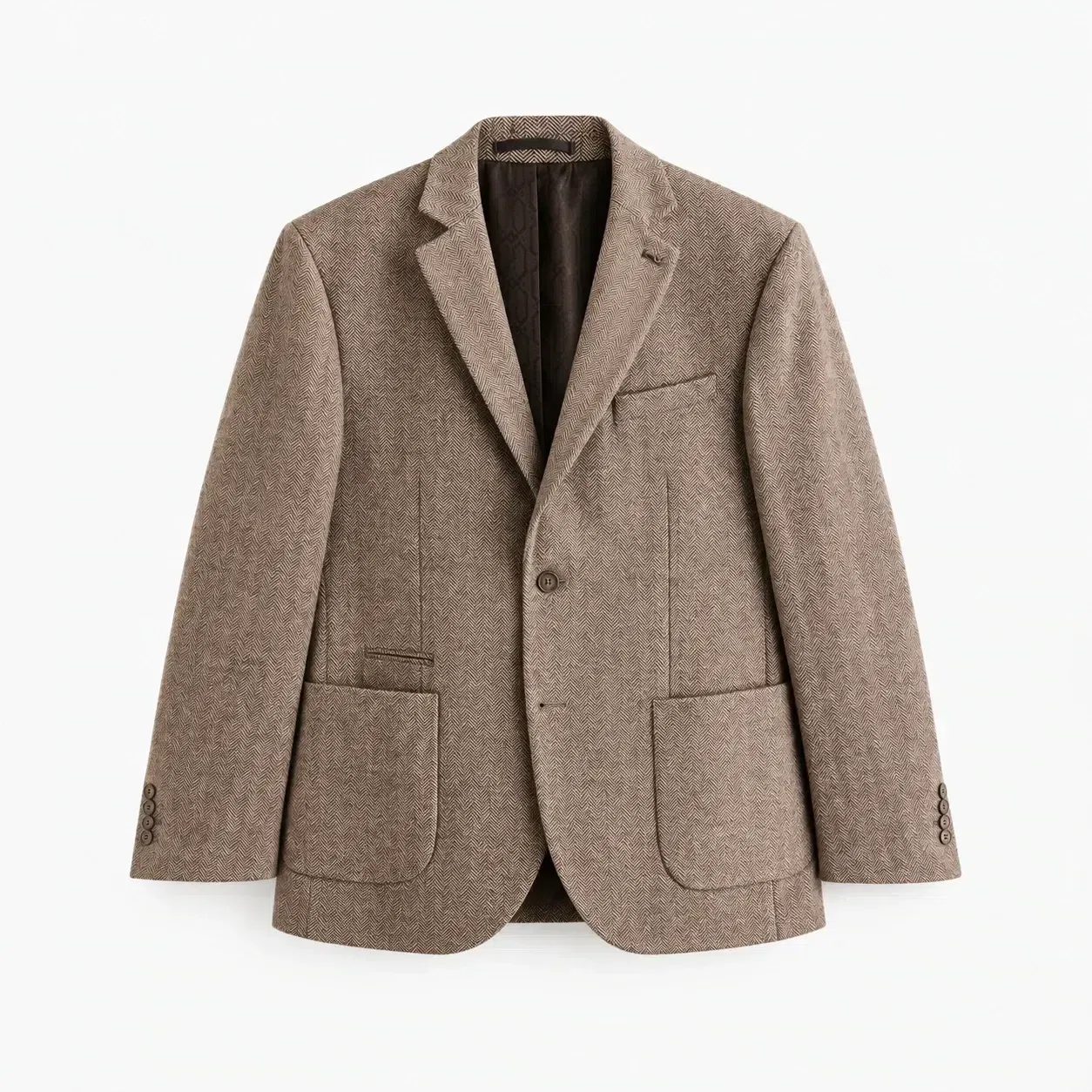
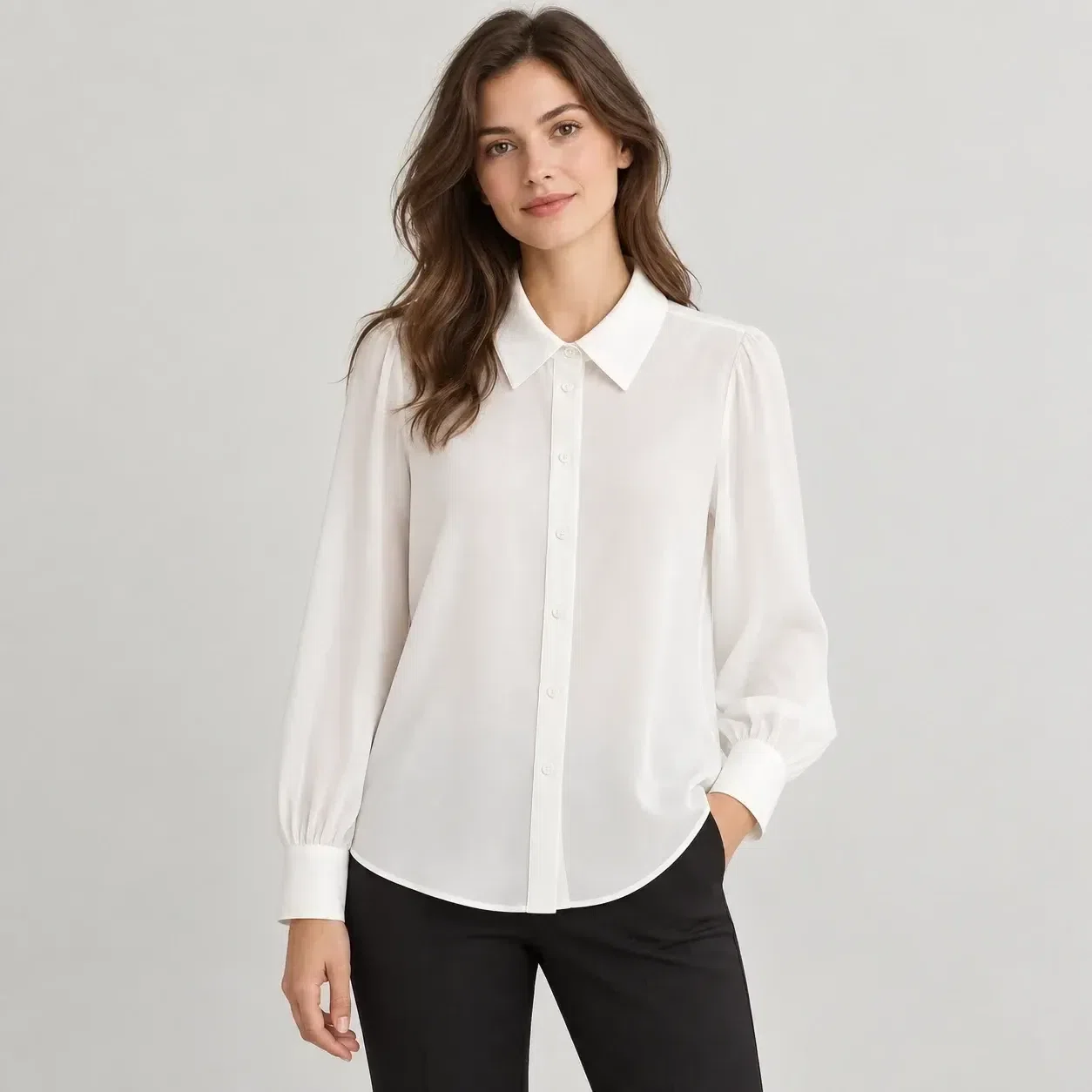



Corporate uniform design in Australia starts with the people who will wear it. Share your corporate uniform requirements with StitchBase Uniform, from women’s and men’s styles to company colours, logo details and team quantities. For an Australian office or branch network, define a coordinated wardrobe with clear sizing, sample approval and delivery requirements before placing an order.
Corporate Uniform Design in Australia: A Wardrobe That Is Easy to Specify and Wear
An office uniform works best when employees understand their choices and buyers understand what they are ordering. Start with your organisation’s dress code, then decide which garments should be shared across the team and where different fits or combinations are appropriate.
For corporate uniform design in Australia, a useful brief should also explain where employees work, how often garments are worn and where orders need to arrive. Keep those details specific to your organisation rather than assuming one clothing combination suits every role or location.
Choose a Range That Matches Your Office Dress Code
Decide whether the wardrobe should be formal, business casual or a defined combination of both. Reception and client-facing roles may need a different level of presentation from internal office teams. Record the approved options before comparing individual garments.
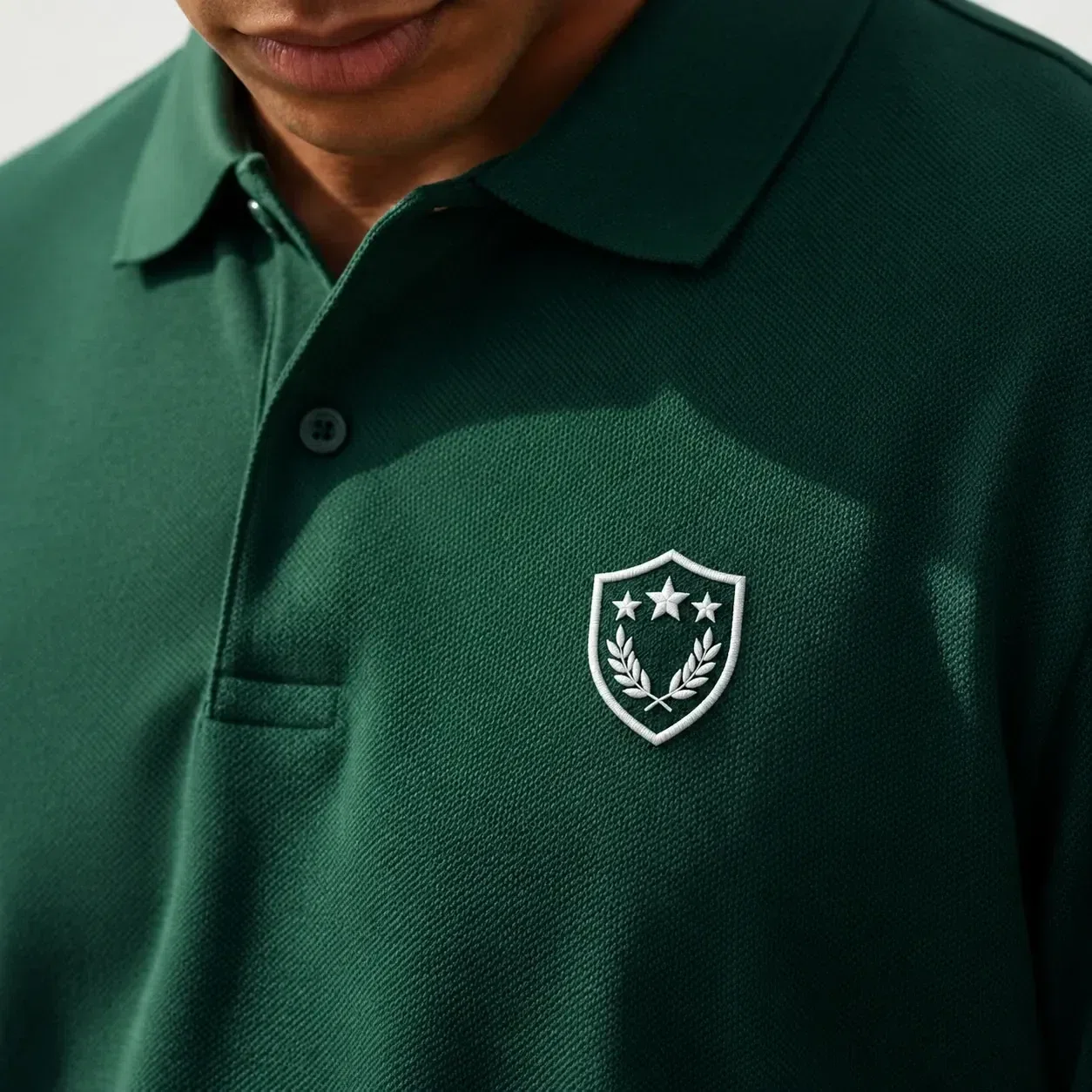
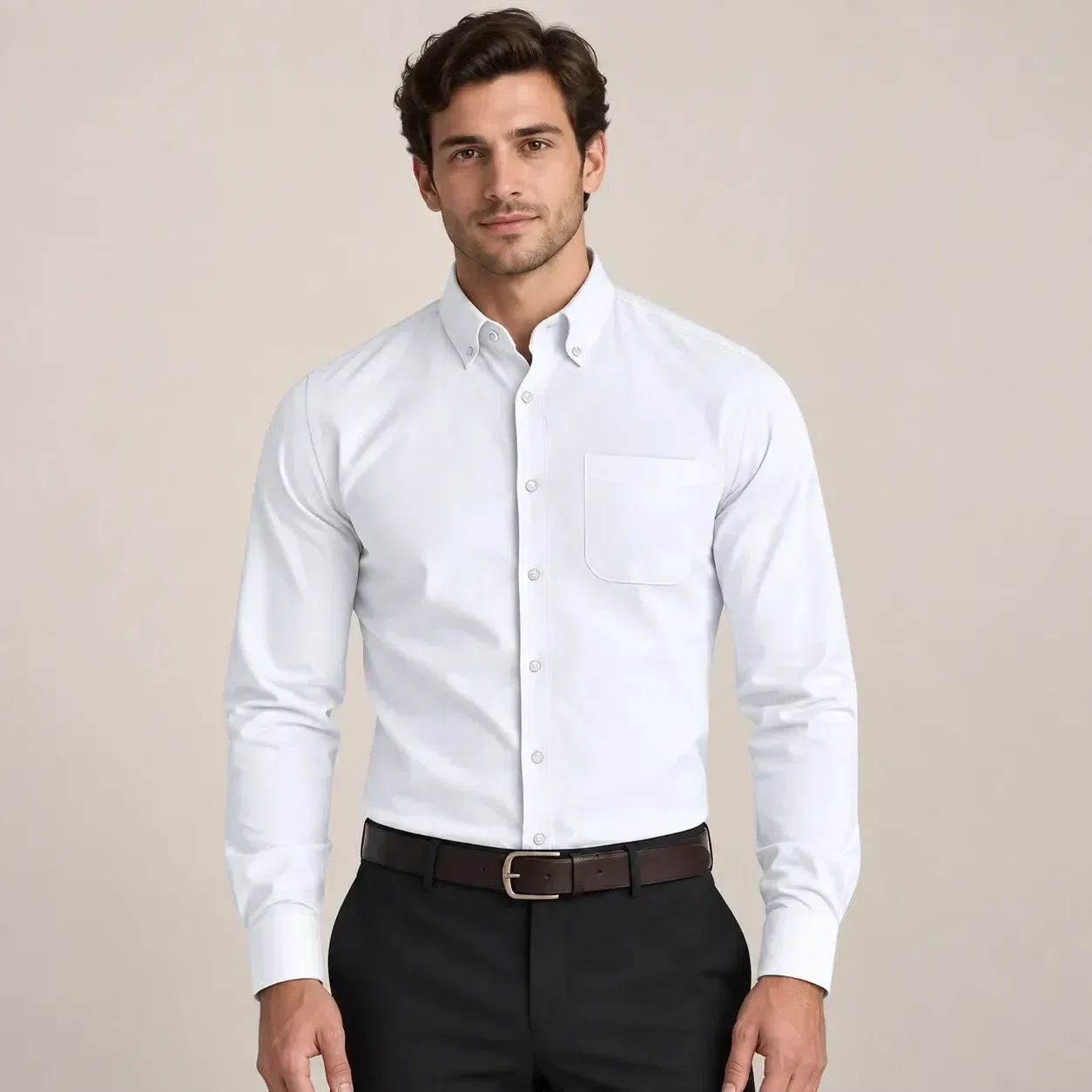
Include button-down shirts in your shortlist where a collared style suits the role. Consider the collar, sleeve length, shirt length and whether it will be worn with a jacket. These details make your enquiry more useful than simply requesting branded office shirts.
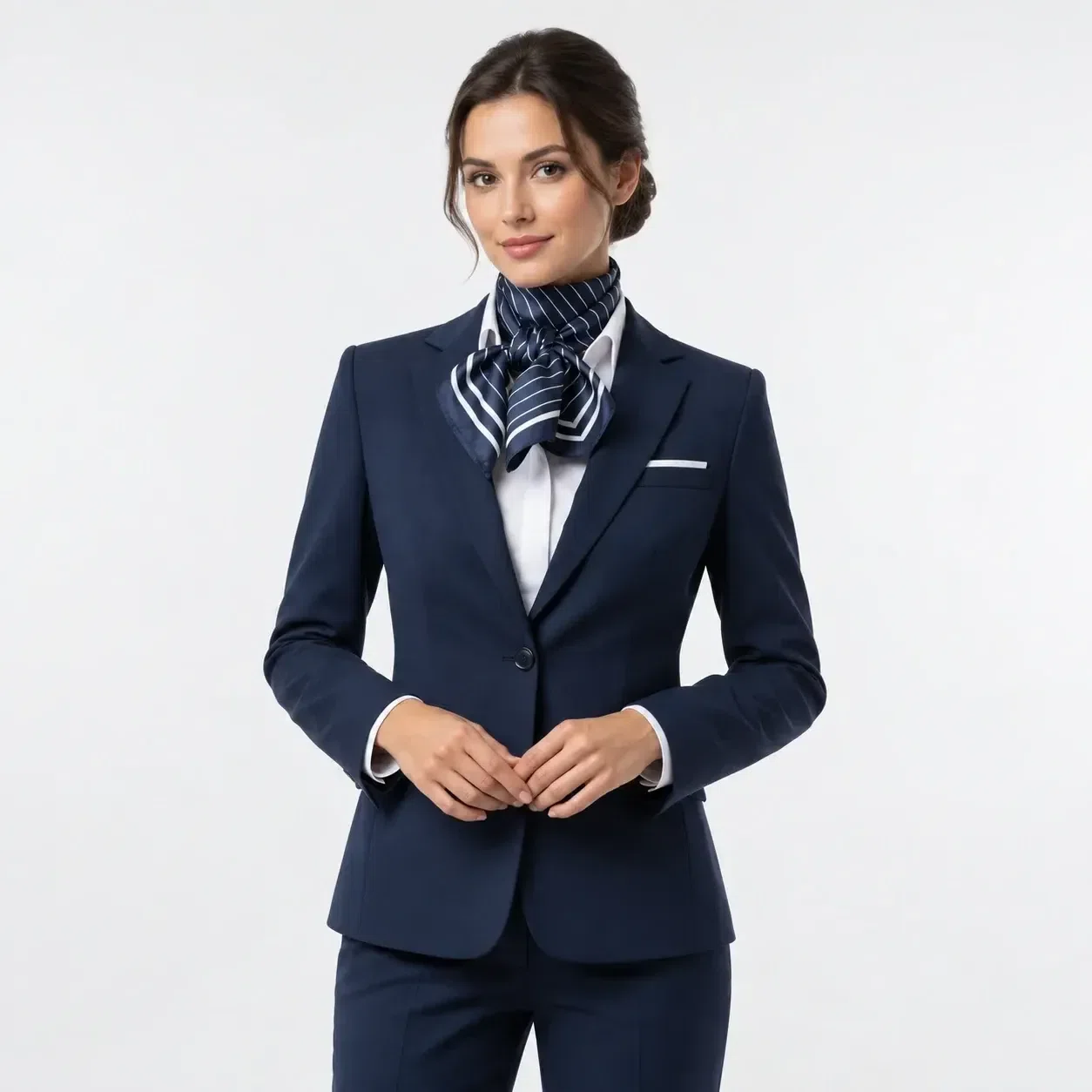
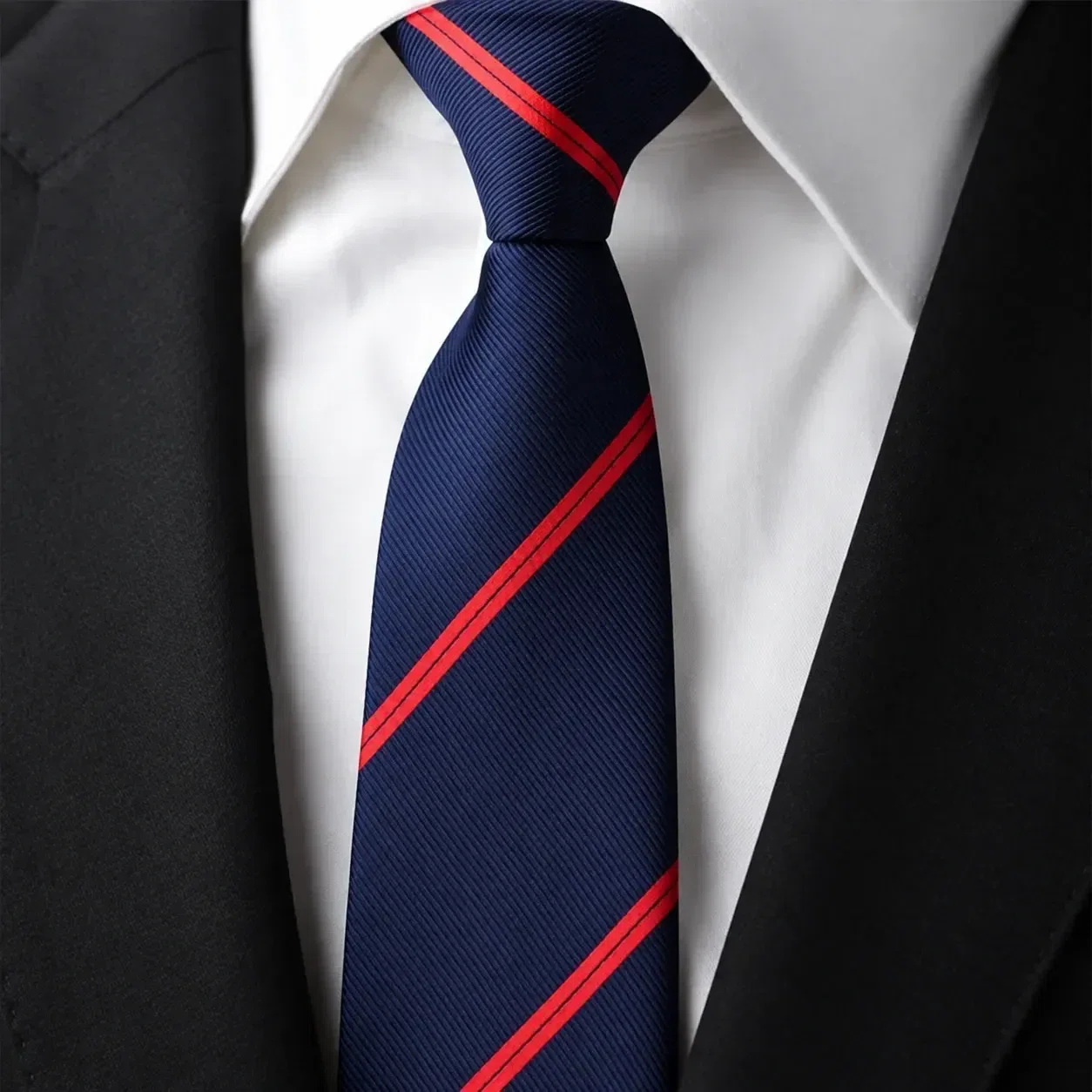
Keep colours and styling connected across the range. Employees can have different garment choices while maintaining a recognisable company appearance, provided the permitted combinations are clearly defined.
Check Garment Measurements Before Confirming Sizes
Do not assume that a familiar Australian retail size will translate directly to every supplier’s garment. Request the proposed size chart and confirm whether it lists body measurements or finished garment measurements. Keep measurement units consistent in the order brief.
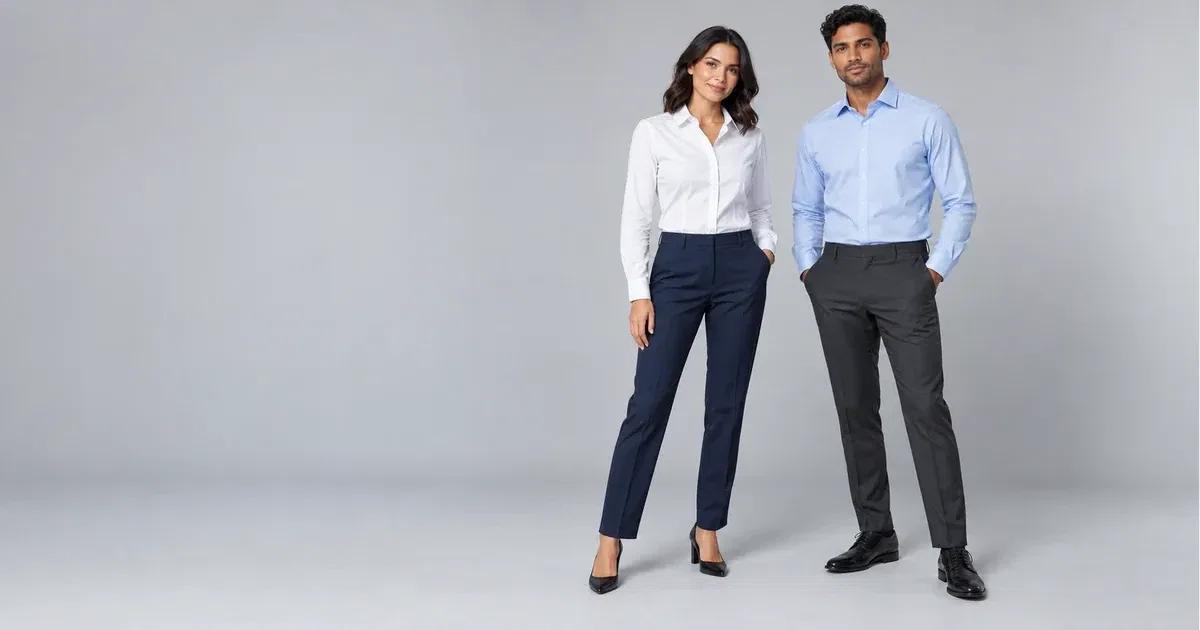
For women’s office blouses, assess shoulder fit, chest ease, sleeve coverage and length. Check the blouse when seated and reaching, including with any intended outer layer. Ask which alternative cuts and sizes are available rather than assuming a full range can be supplied.
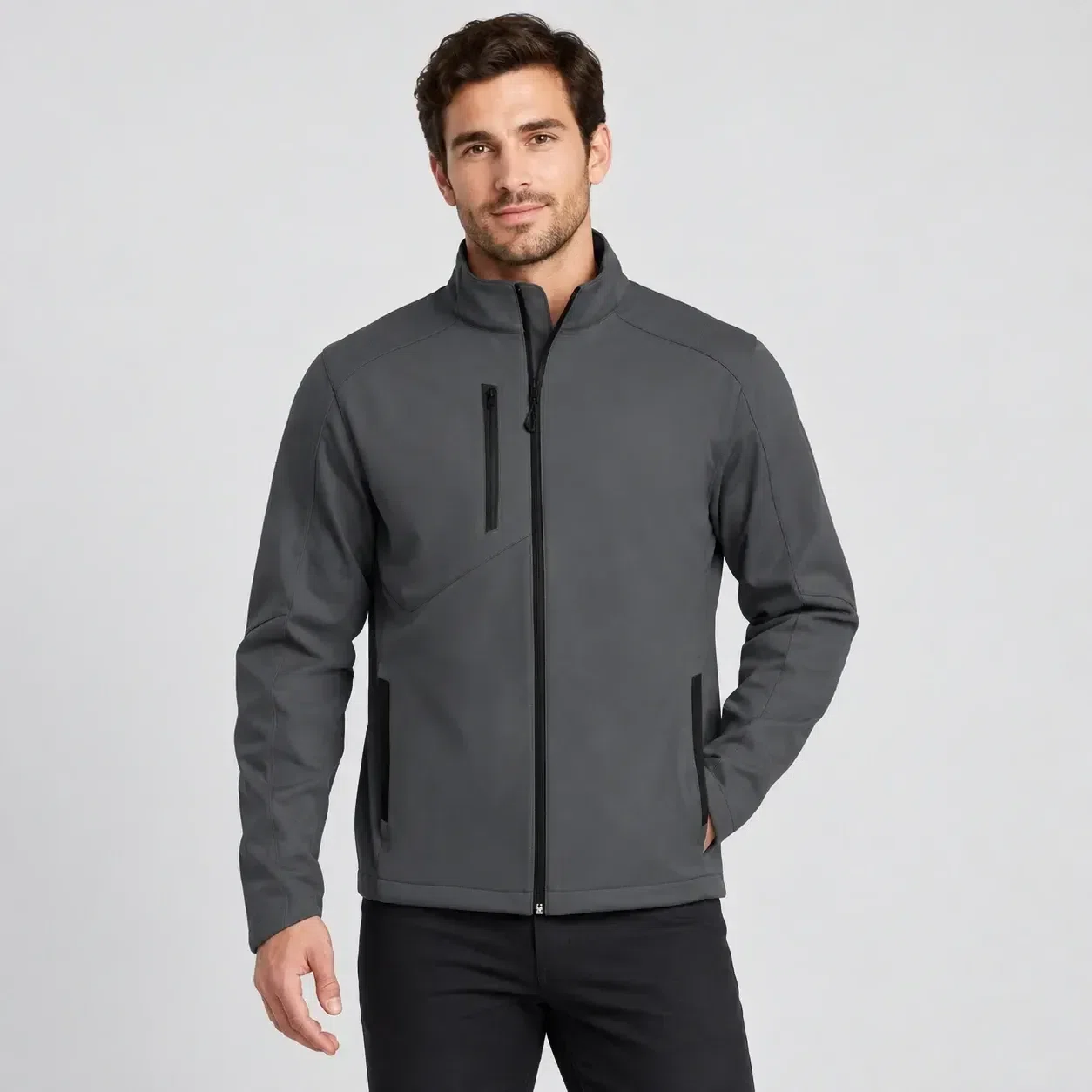
Apply the same measurement-based review to men’s shirts and jackets. Record the approved size for each garment style, since one employee may need different labels across the wardrobe.
Review Trousers, Layers and Everyday Comfort Together
Assess corporate dress trousers for waist comfort, rise, leg shape and finished length. Check how the garment sits during desk work and whether pockets and closures remain practical when moving around the office.
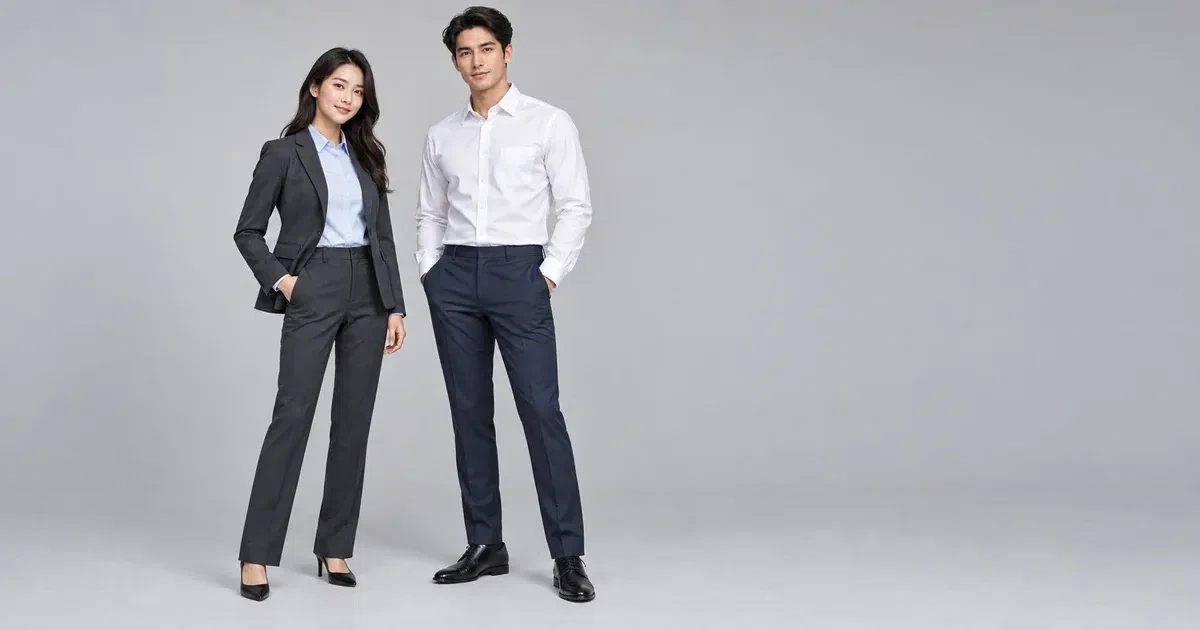
Where jackets or knitwear are proposed, try the complete outfit. Look for comfortable sleeve layering and shoulder movement, and consider how the clothing appears when an outer garment is removed.
Describe the conditions at each workplace, including indoor temperatures, commuting and any external appointments. Select fabric weight and layering options against those routines. Ask for composition and care information, and evaluate any performance claim against the actual product specification.
Resolve Fit Changes Before Logo Application
Confirm the sample and fitting process before authorising decoration. A digital mock-up can show the proposed appearance, but it cannot establish whether a blouse fits comfortably or trousers need a length adjustment.
Ask how sample returns, size changes and alterations would be handled, and whether terms change once a garment has been embroidered or printed. Agree those arrangements with the supplier before finalising the size breakdown.
Use a representative wearer review to record:
- Comfort when seated, walking and reaching.
- Garment coverage and opacity.
- Sleeve and trouser lengths.
- Compatibility with ID badges and normal workplace accessories.
- Fabric appearance after an agreed care trial.
Resolve adjustments in writing and retain the approved garment references. This gives procurement a clear basis for authorising the next stage.
Make Your Branding Instructions Reusable
Provide approved artwork, company colour references and the dimensions of the proposed decoration. Specify placement by garment instead of assuming the same instruction works for every shirt, blouse and jacket.
Ask to review the artwork at its intended size on the selected fabric. Check small lettering, contrast and positioning before approving embroidery or printing. Confirm any setup charges in the quotation rather than assuming they are included.
Keep the approved design with the garment specification. If your organisation rebrands or changes a style, update the reference so new employees and repeat orders use the current version.
Plan Distribution and Reorders from the Start
For an Australian branch network, provide a quantity schedule for each receiving location. Include the suburb, state or territory, postcode, delivery address and contact details. Identify whether cartons should be labelled by branch, department or wearer.
Ask the supplier to confirm service arrangements and charges for every destination, particularly where regional or remote sites are involved. Distinguish the requested launch date from an agreed delivery commitment, and allow for sample approval in the project schedule.
Send garment quantities, confirmed sizes, colours, artwork and sample requirements with your enquiry. Request a breakdown of garment, decoration, packing and transport costs, and clarify cross-border responsibilities where applicable.
Finally, retain the approved specifications for replacements. Confirm availability, minimum reorder quantities and any proposed substitutions whenever additional clothing is needed.
Share your Australian corporate uniform brief with StitchBase Uniform to discuss suitable options and the information needed for a quotation.