
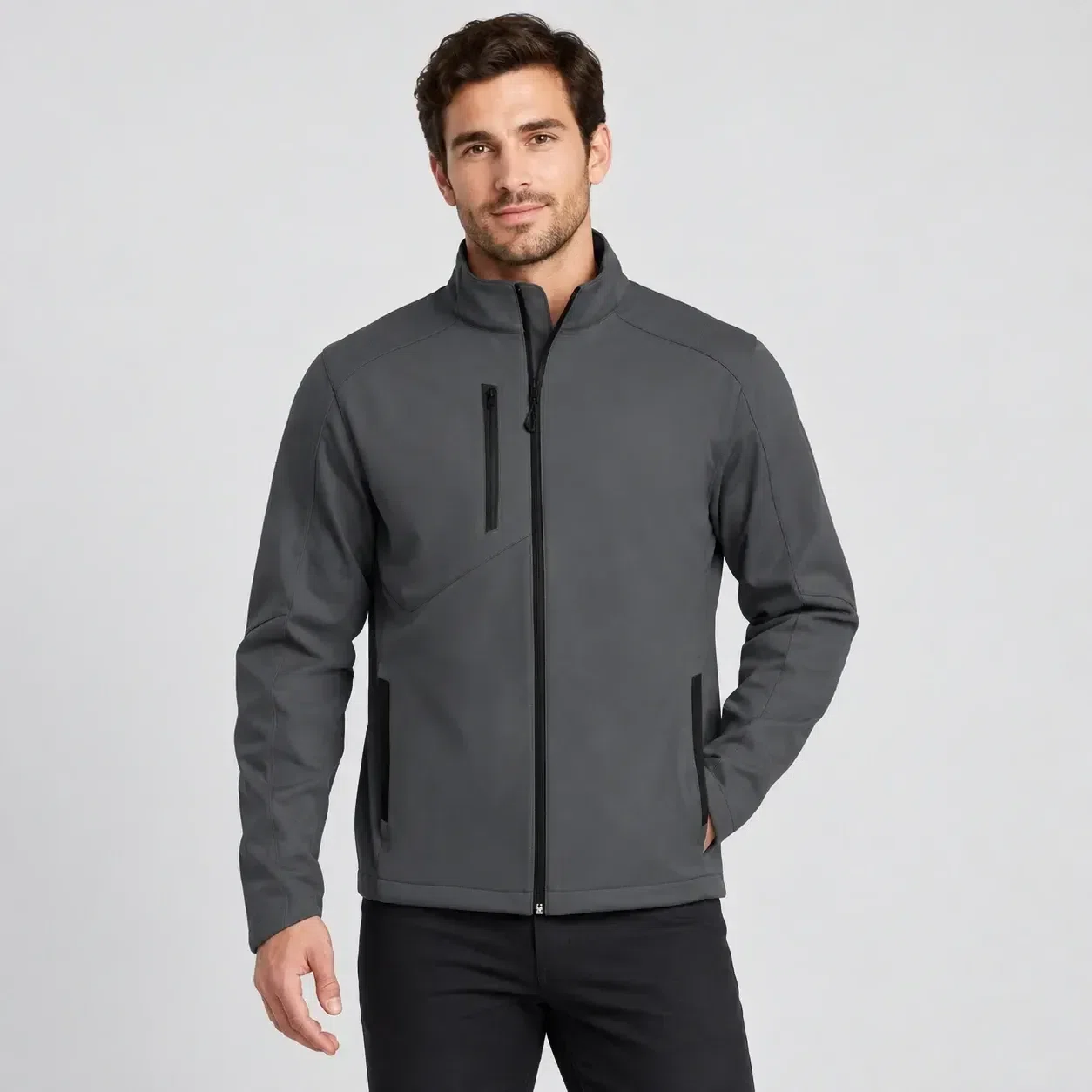
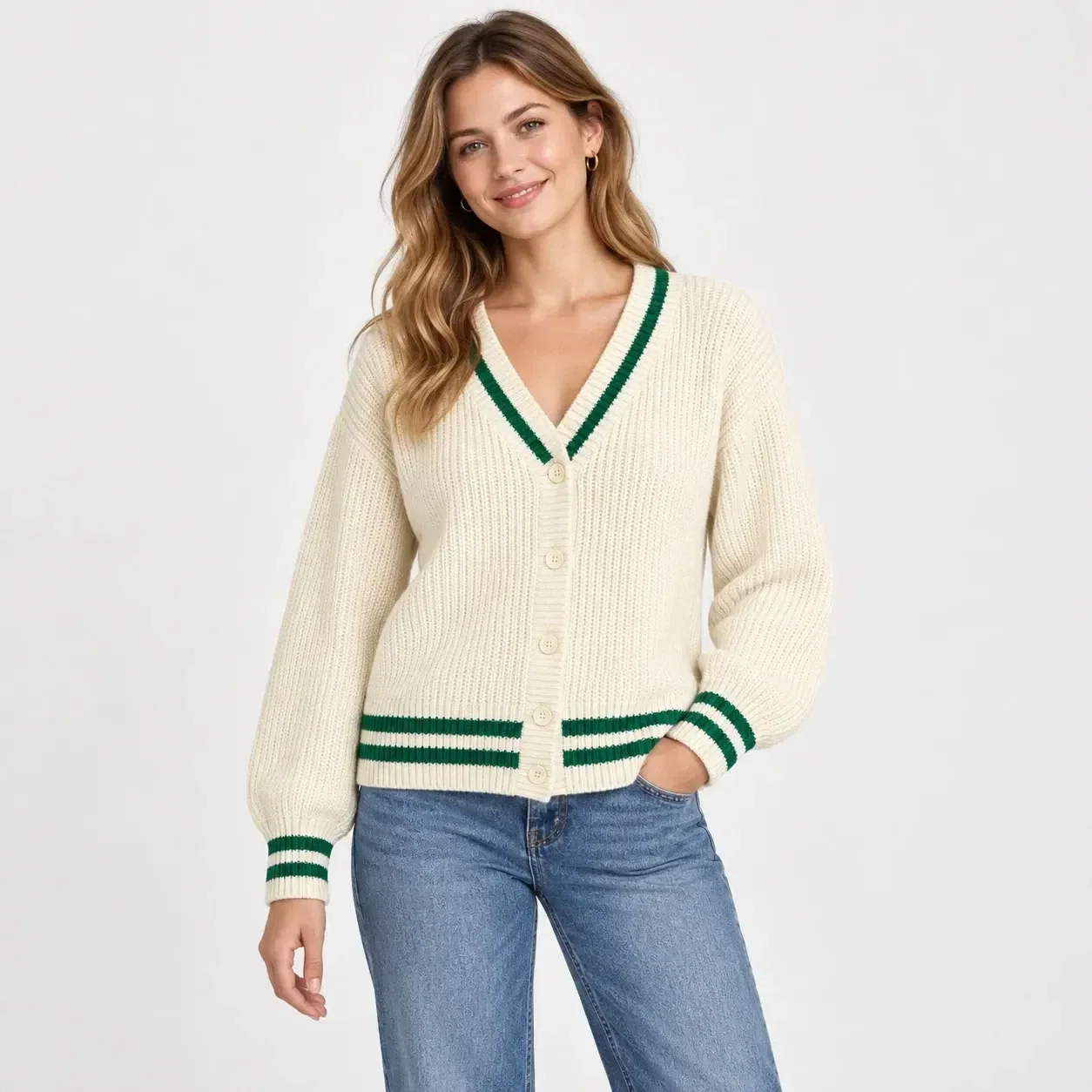
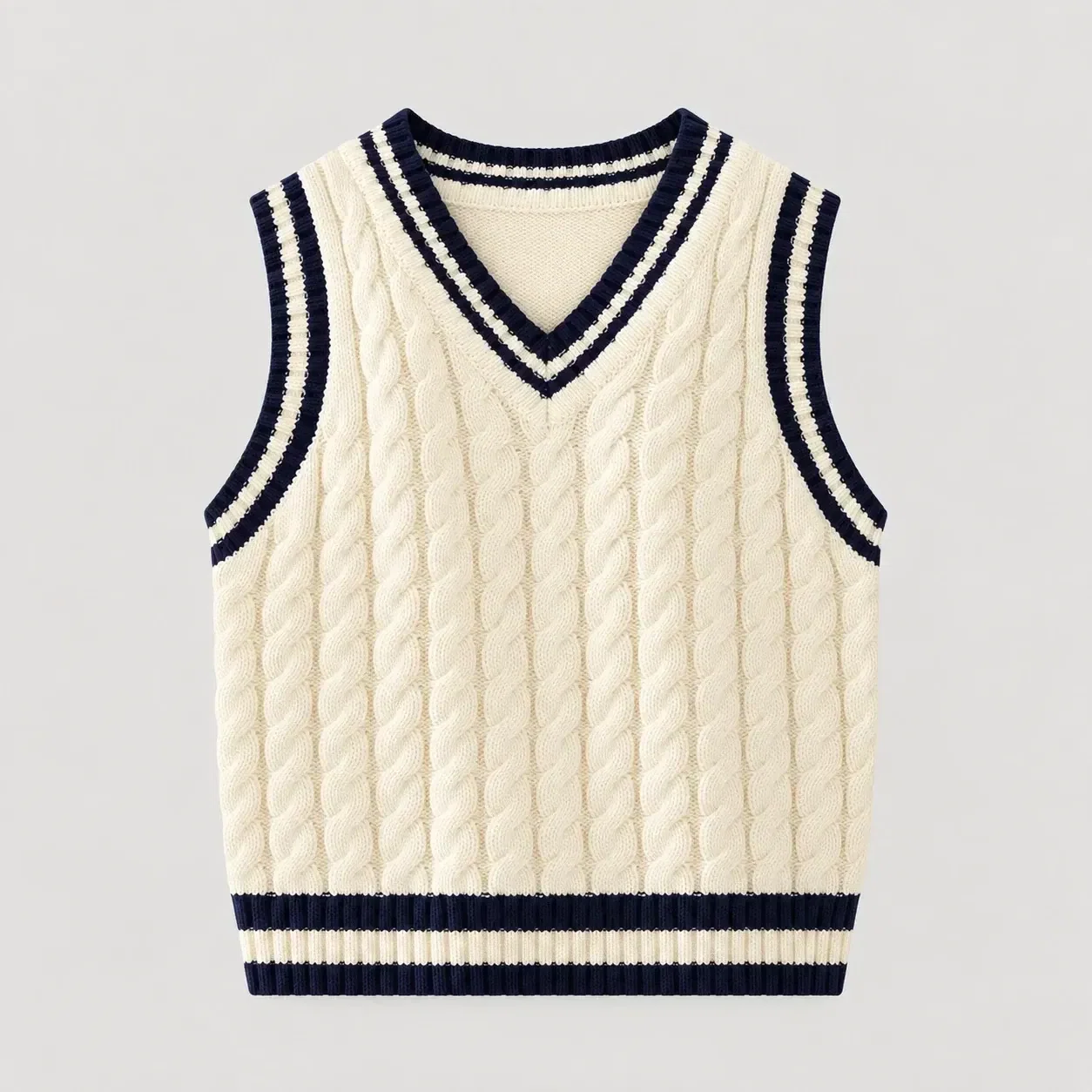
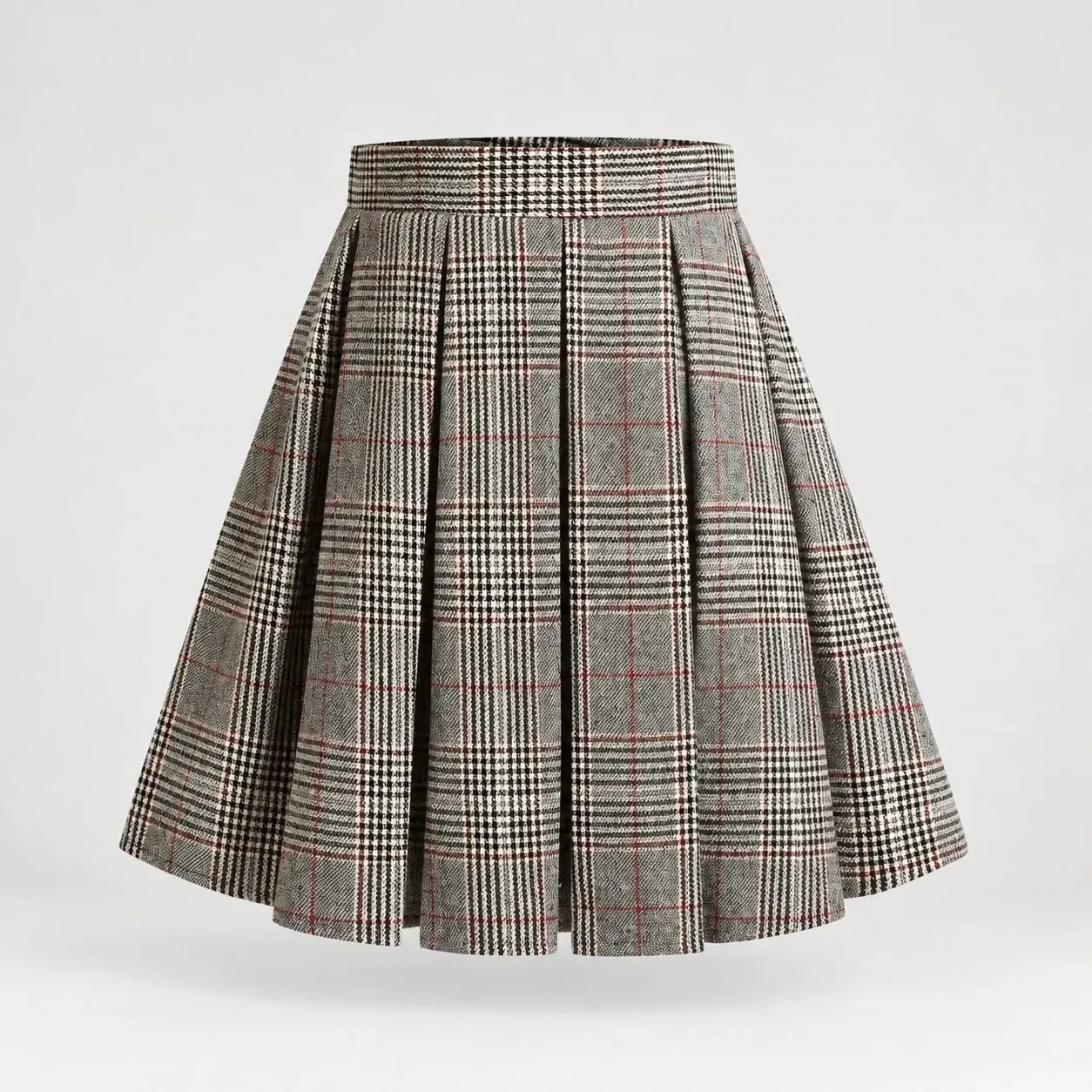
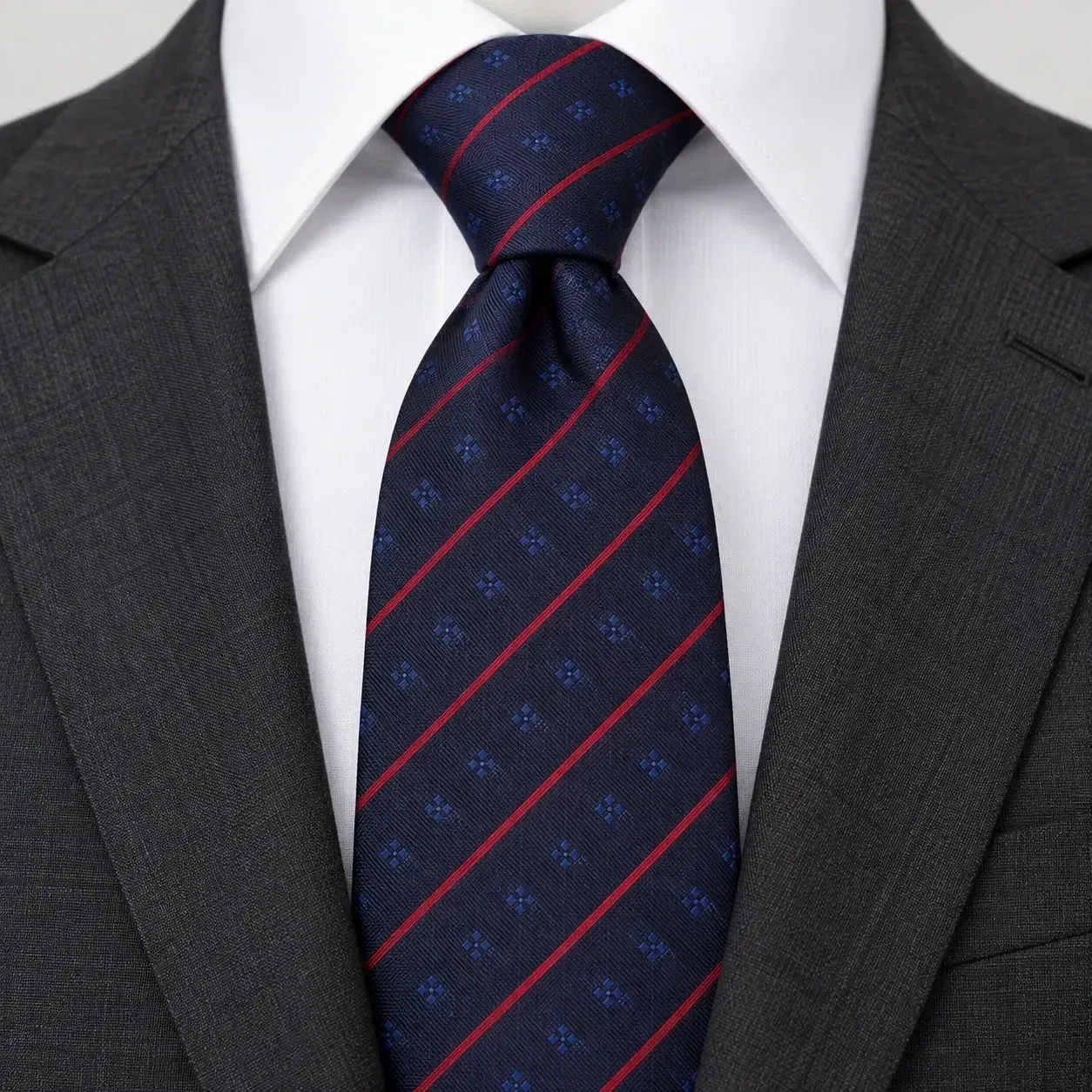
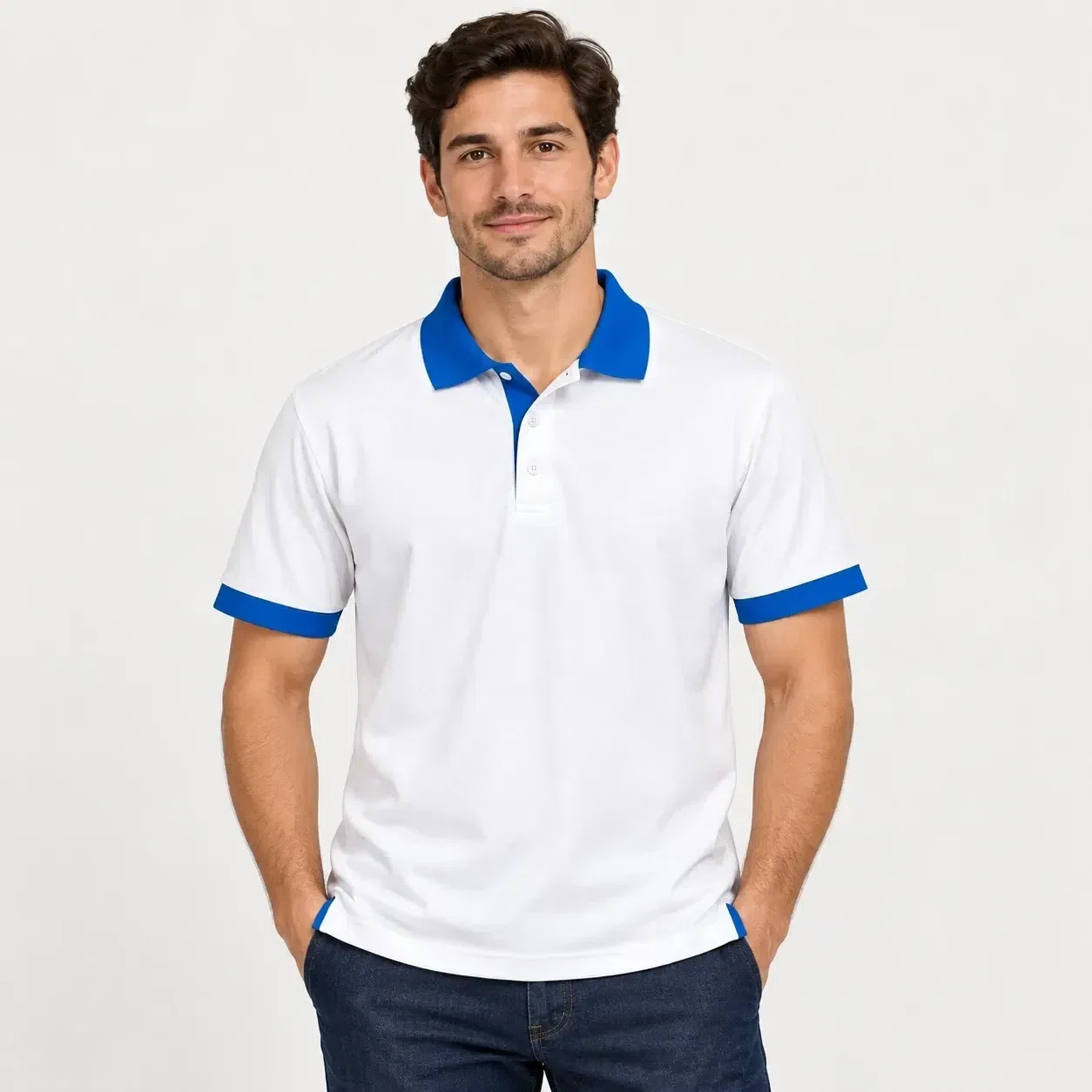
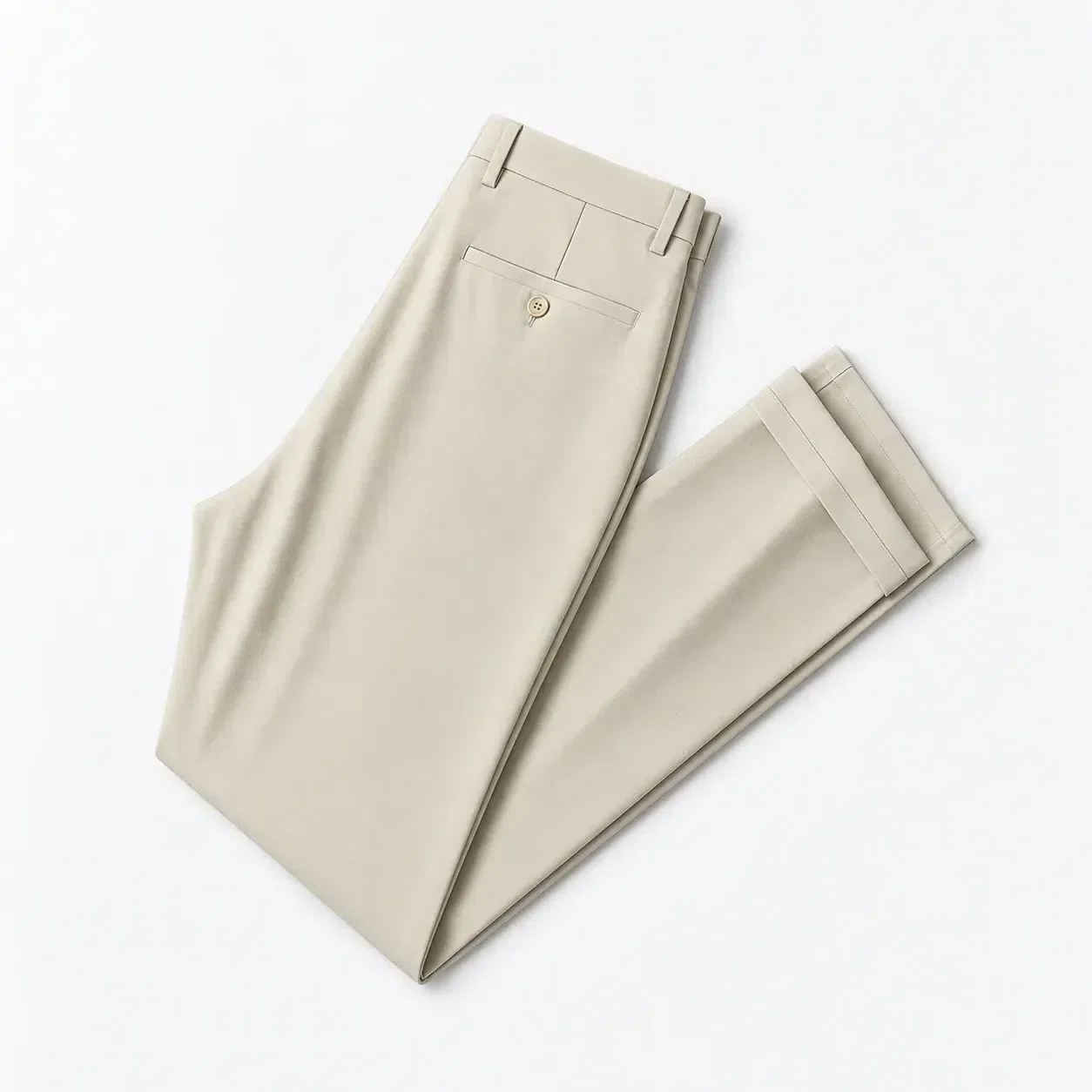
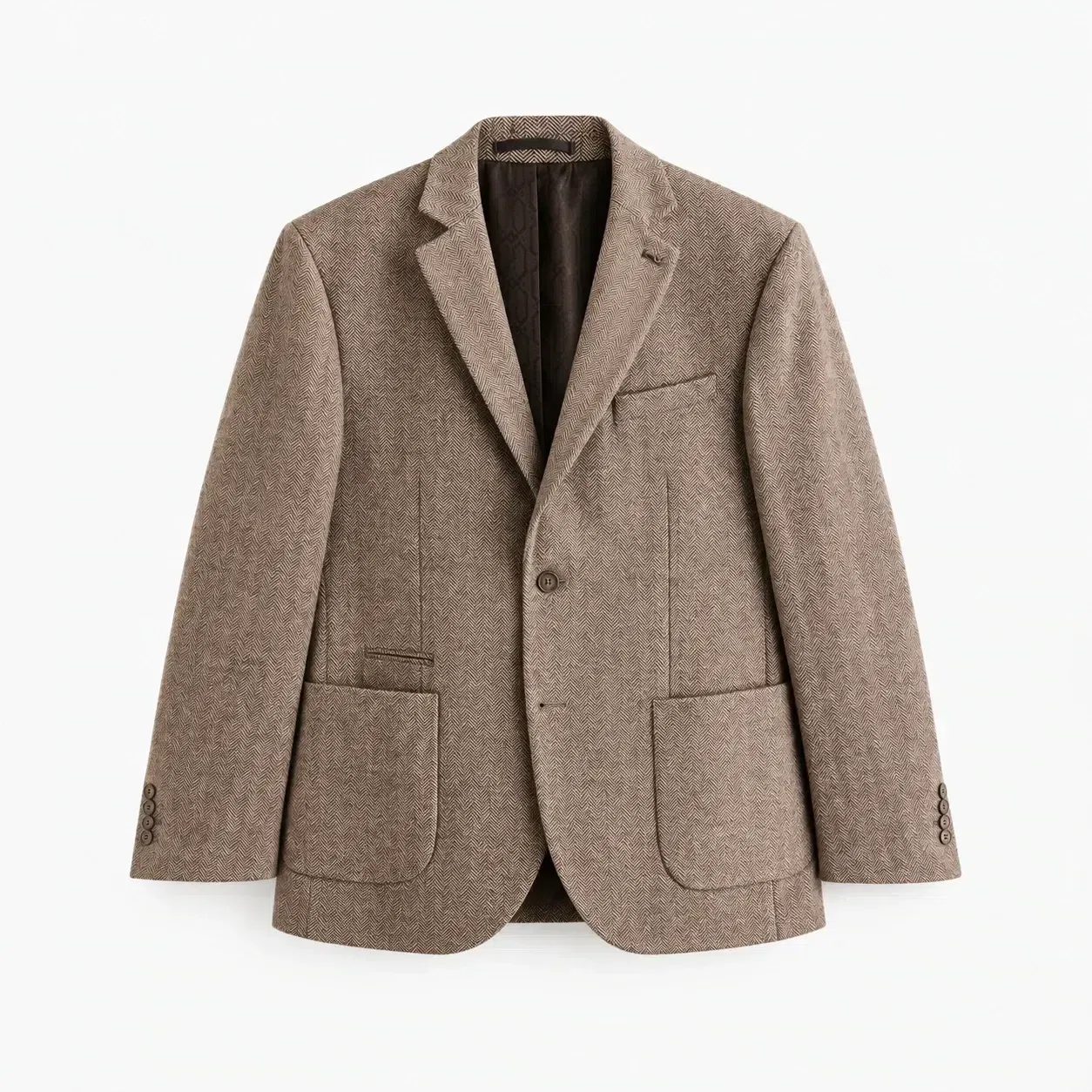



Corporate uniform design in Canada starts with a clear brief for your next office clothing project. Share women’s and men’s garment preferences, company colours, logo artwork and team quantities with StitchBase Uniform. For a Canadian head office or a network of branches, define a coordinated wardrobe with practical layers, agreed fit requirements and the details needed for samples and ordering.
Corporate Uniform Design in Canada for Different Roles and Locations
A corporate wardrobe should support the way your employees work, whether they welcome visitors, attend client meetings or manage everyday administration. Start with your dress code and identify the clothing each role needs. Shared colours and branding can connect the team while allowing different garment combinations.
For a corporate uniform design project in Canada, describe each workplace rather than relying on a single assumption about climate or office formality. Include indoor conditions, travel between locations and the items staff will wear together. This helps buyers assess a complete outfit instead of choosing garments in isolation.
Establish Core Garments Before Adding Layers
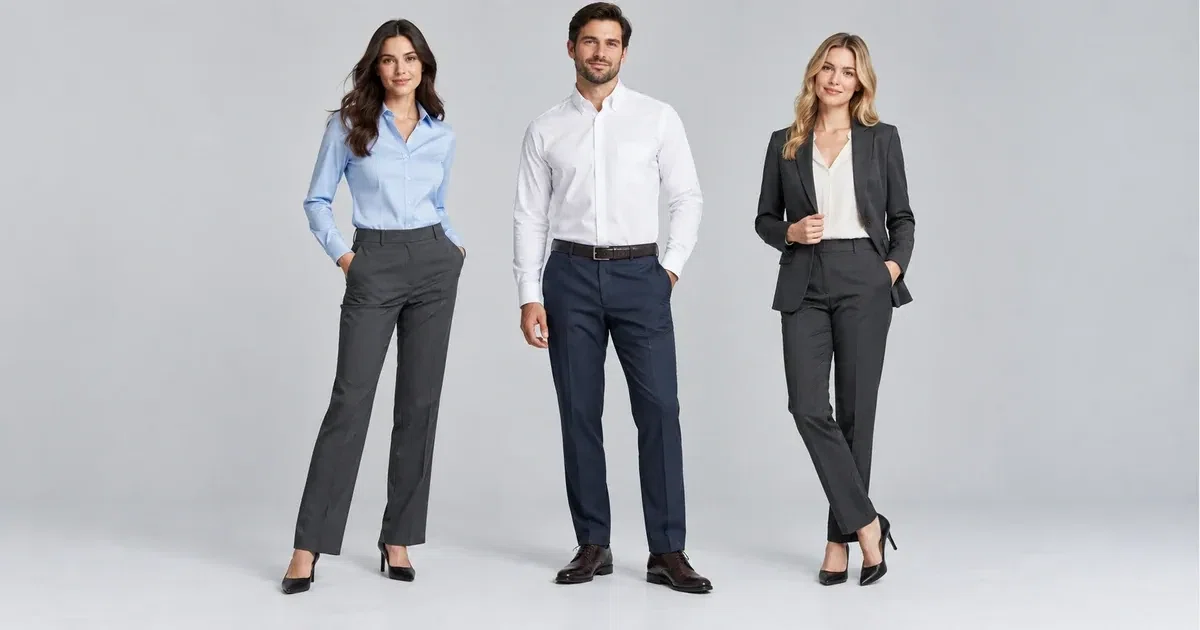
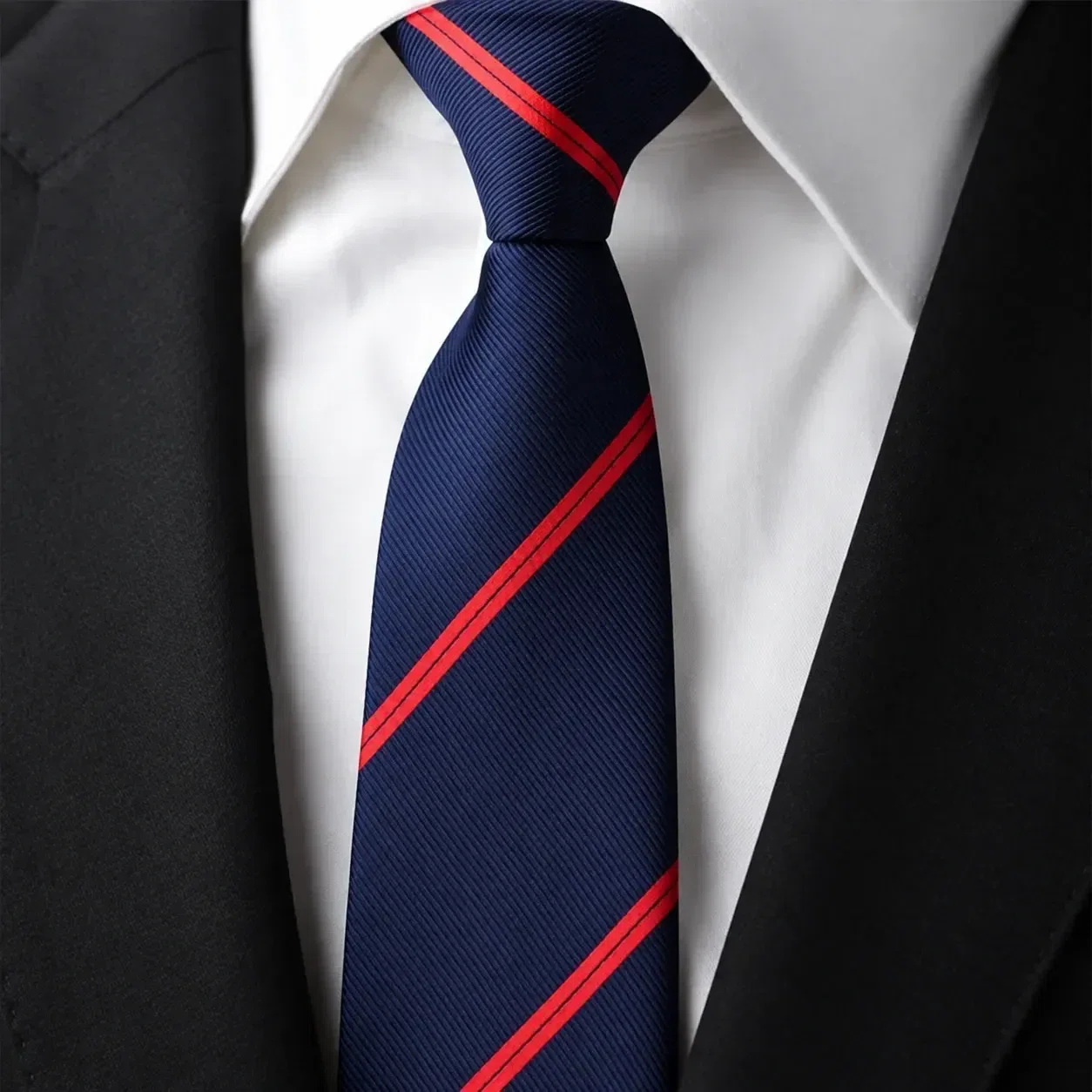
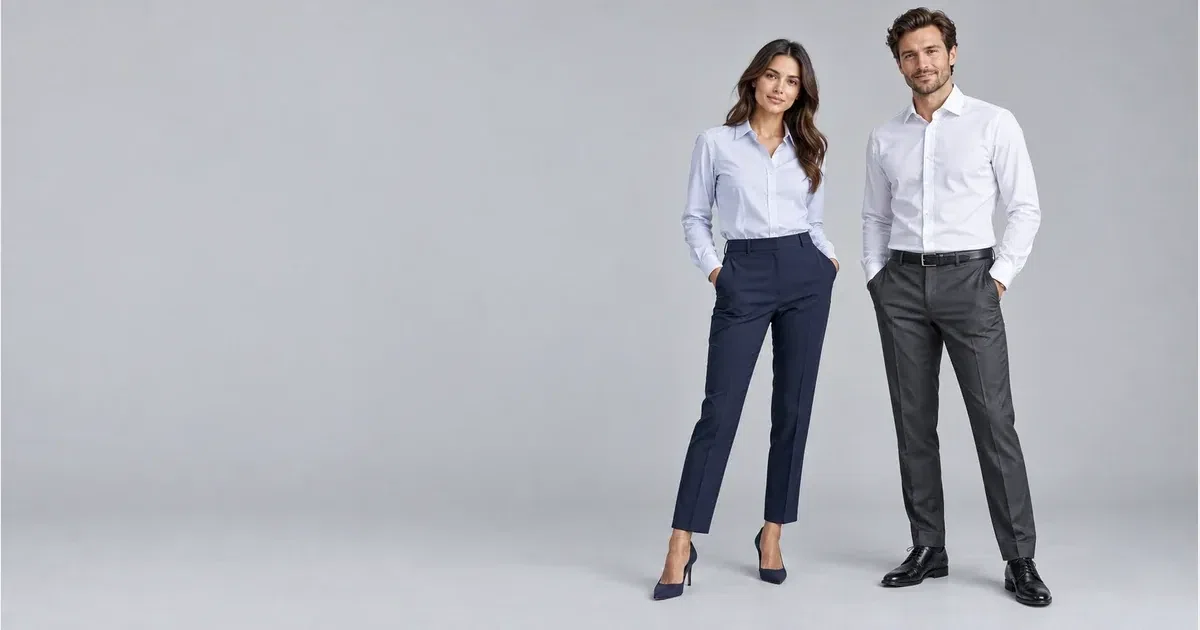
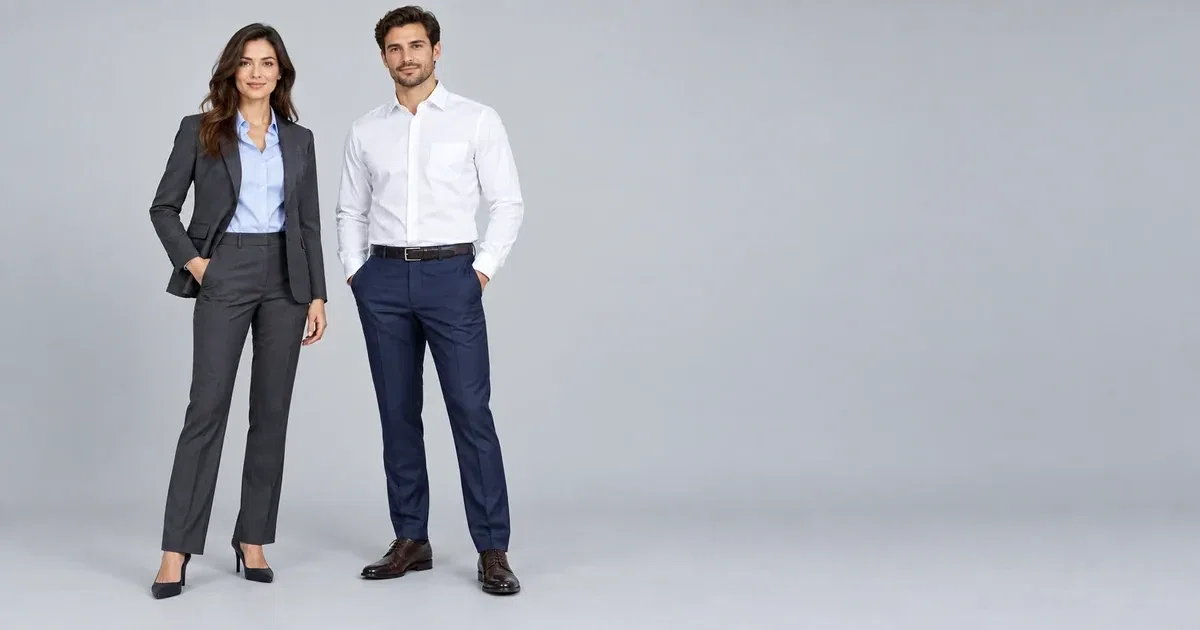
Identify the pieces employees need on a regular working day. A formal wardrobe might begin with shirts or blouses and dress trousers, with a coordinated jacket for selected roles. A business-casual brief may allow other combinations if the employer approves them.
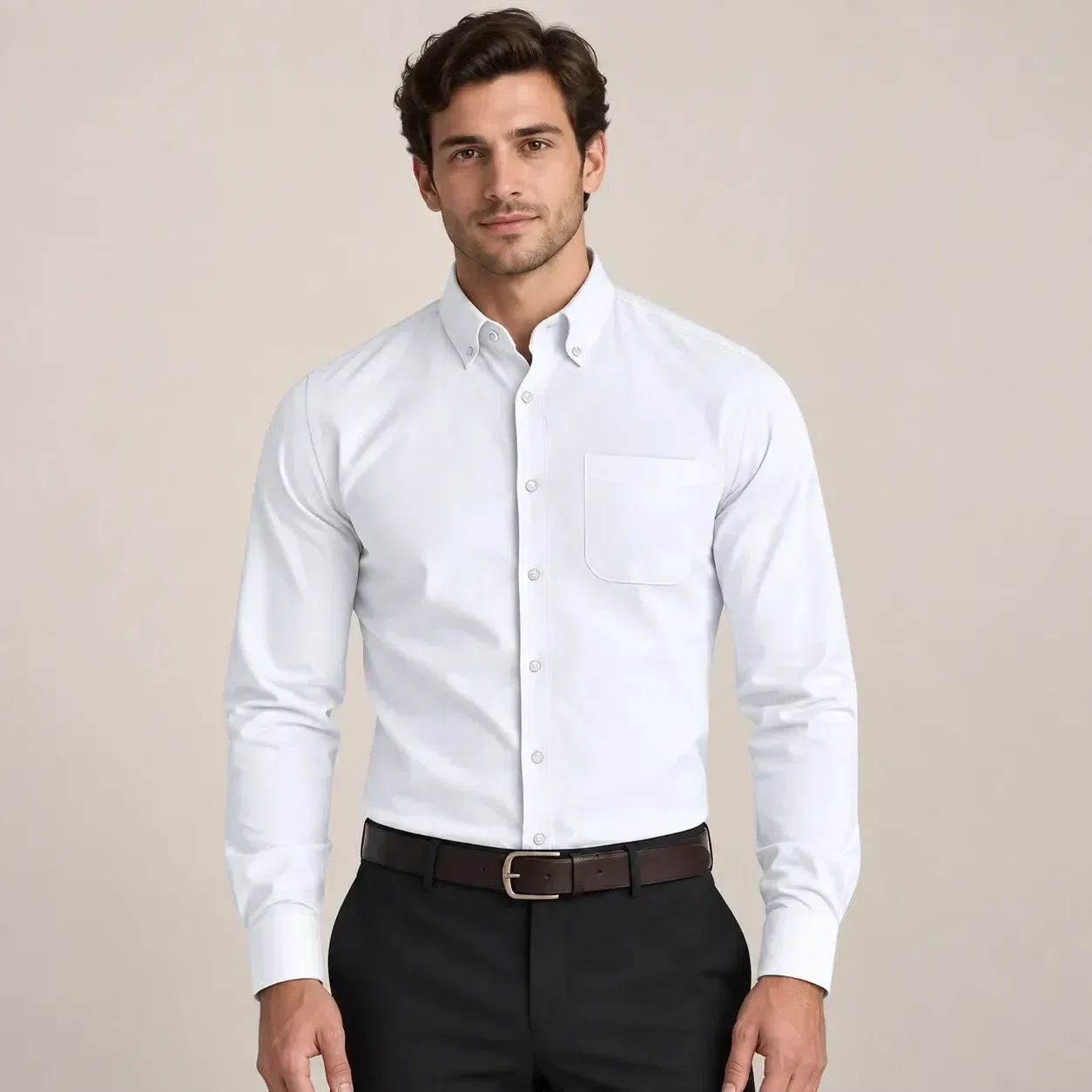
When comparing button-down shirts, specify the collar, sleeve length, colour and fit. Check how the shirt looks with the proposed lower garment and whether it remains comfortable beneath the intended jacket or knitwear.
Separate essential items from optional additions. This gives procurement a clearer quantity schedule and allows employees to understand which combinations are appropriate for their duties.
Assess Women’s and Men’s Fit with the Intended Outfit
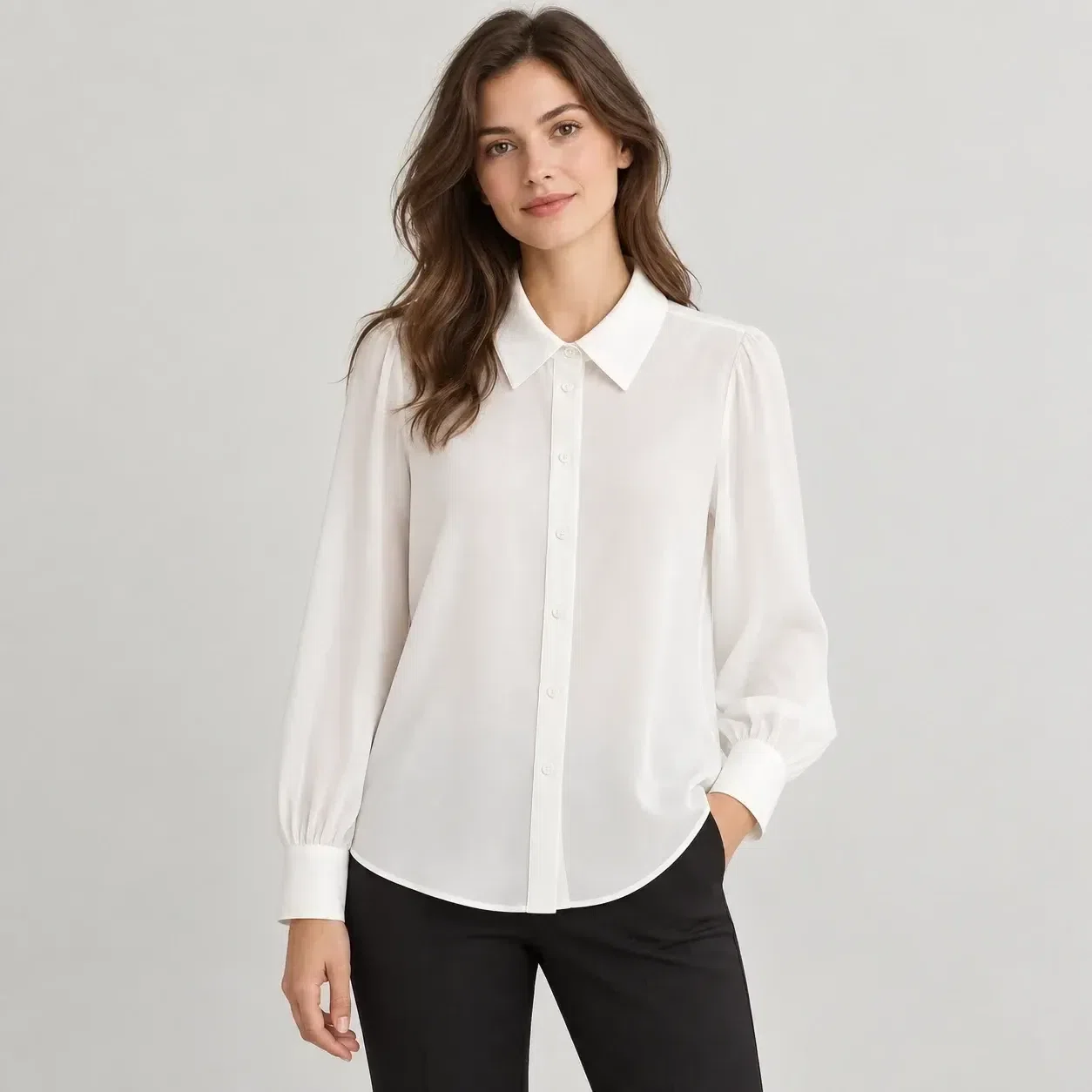
Corporate uniforms for women should be reviewed for garment shape, coverage and movement. Compare women’s office blouses for shoulder fit, chest ease, neckline and length. Check how the blouse sits when worn alone and beneath an outer layer.
For men’s garments, assess collar measurements, shirt length and ease through the shoulders. Ask which alternative cuts and size ranges can be provided, including any specific needs identified by your employees.
Use the supplier’s size chart alongside garment measurements, with consistent units across the brief. During fitting, ask wearers to sit, reach and move as they normally would. Record the approved size for each style rather than assuming one size label applies to every item.
Specify Layers for Office Use and Travel
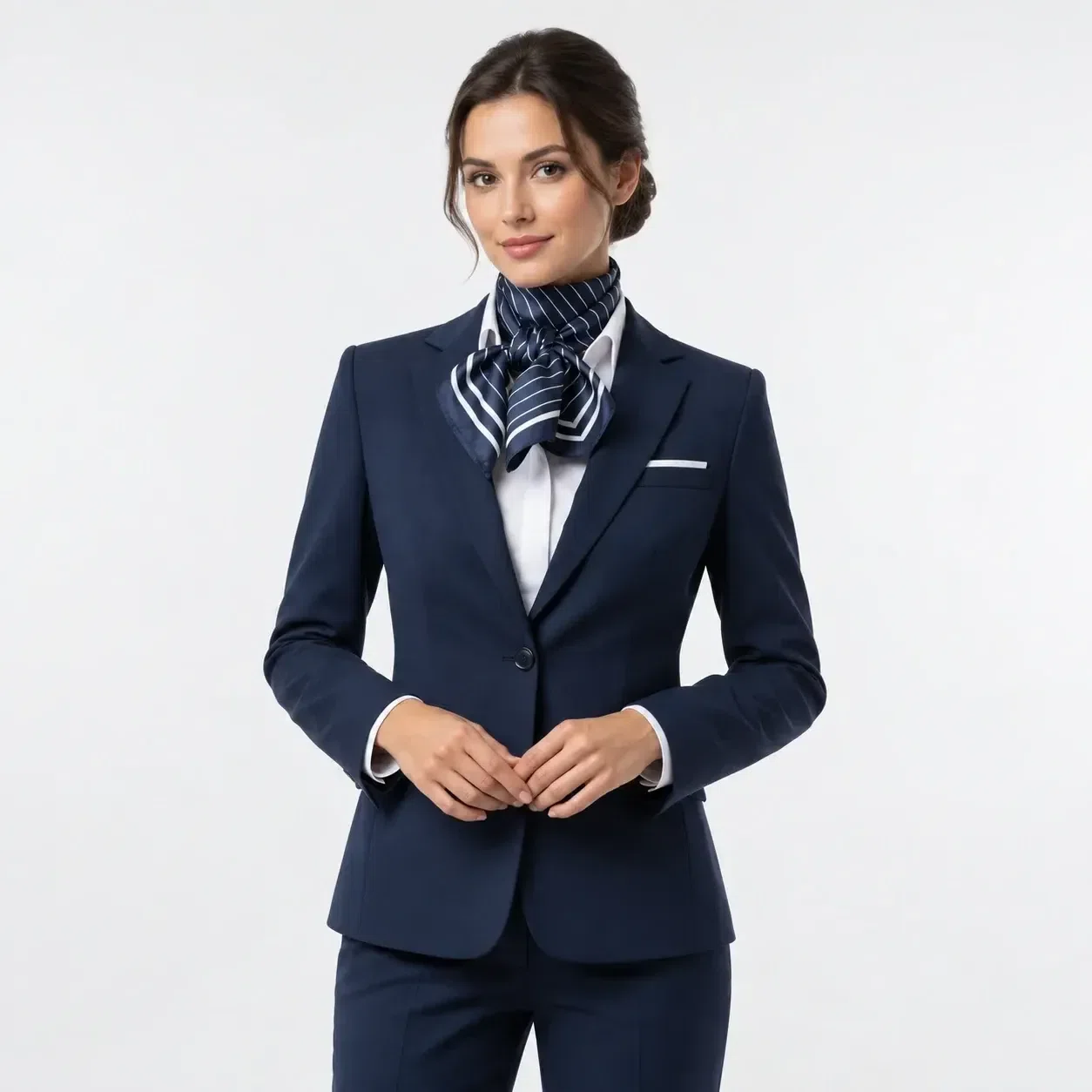
A removable layer can give employees more flexibility than one outfit chosen around a single temperature. Decide whether a jacket or knitwear piece is intended for indoor use, client appointments or travel between buildings, and record that purpose in the brief.
Review dress pants and slacks as part of the full outfit. Check waistband comfort, rise, finished length and movement when seated. Confirm that pockets and closures remain usable with any additional layers.
Ask for fabric composition, weight and care instructions for each item. If outdoor protection is required for a role, specify that requirement separately and request supporting product evidence. A corporate jacket’s appearance alone does not establish its suitability for demanding weather conditions.
Keep Branding Clear in Every Approved Combination
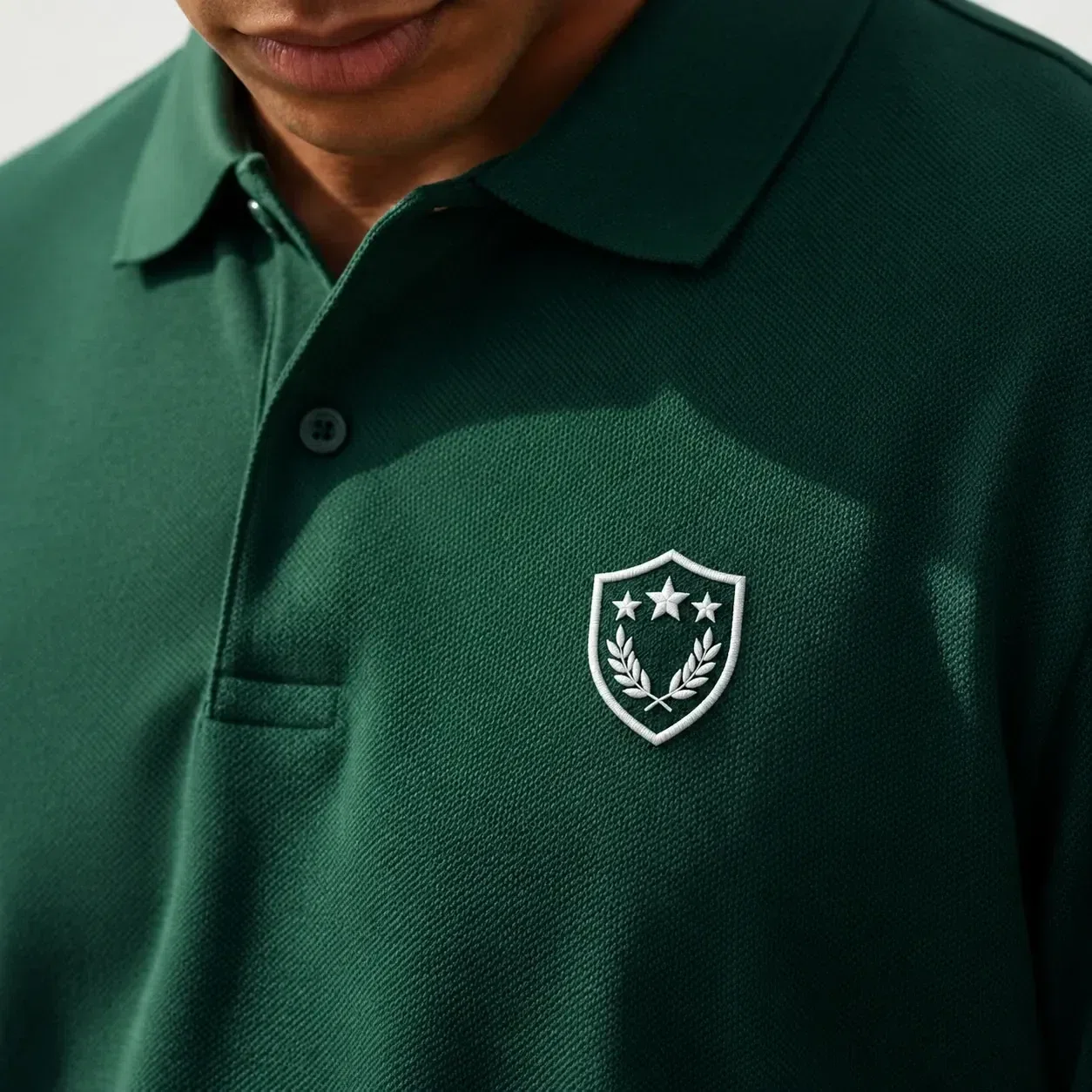
Employees may remove a jacket during the day, so decide whether the shirt or blouse beneath it also needs a logo. Specify the branding for each permitted combination rather than treating the outer garment as the only visible company identifier.
Provide approved artwork, colour references and decoration dimensions. Where your organisation uses English and French wording, supply authorised versions and identify which garments or locations require each one. Have the responsible reviewer confirm spelling and layout before reproduction.
Assess the proposed logo at its intended size on the selected fabric. Confirm contrast, placement and legibility, then retain the approved proof with the garment specification for future orders.
Agree Sample Checks and Care Expectations
Confirm sampling arrangements before finalising quantities. Include representative wearers from the main roles and fit requirements, then gather feedback using a consistent checklist.
Review:
- Comfort with and without the proposed outer layer.
- Sleeve, blouse and trouser lengths.
- Fabric coverage and appearance under office lighting.
- Pocket access and compatibility with workplace accessories.
- Seams, closures and decoration quality.
If a care trial is agreed, follow the proposed instructions and compare measurements and appearance afterwards. Record any changes needed before approval. Keep a dated reference so later buyers can distinguish the current specification from earlier options.
Prepare Orders by Province, Territory and Receiving Location
For several Canadian offices, provide quantities and confirmed sizes for each destination. Include the province or territory, full address, postal code, receiving contact and preferred carton labels. State whether garments should be packed by branch, department or wearer.
Ask the supplier to confirm arrangements and costs for each location, including remote destinations where relevant. Keep the requested launch date separate from the agreed delivery schedule, and include time for samples and artwork approval.
Your enquiry should also list garment colours, branding files, care requirements and anticipated replacement needs. Request a clear cost breakdown and confirm the quotation currency. Where supply is cross-border, agree shipping and import responsibilities before placing the order.
Share your Canadian corporate uniform requirements with StitchBase Uniform to discuss suitable options and the information needed for a quotation.