

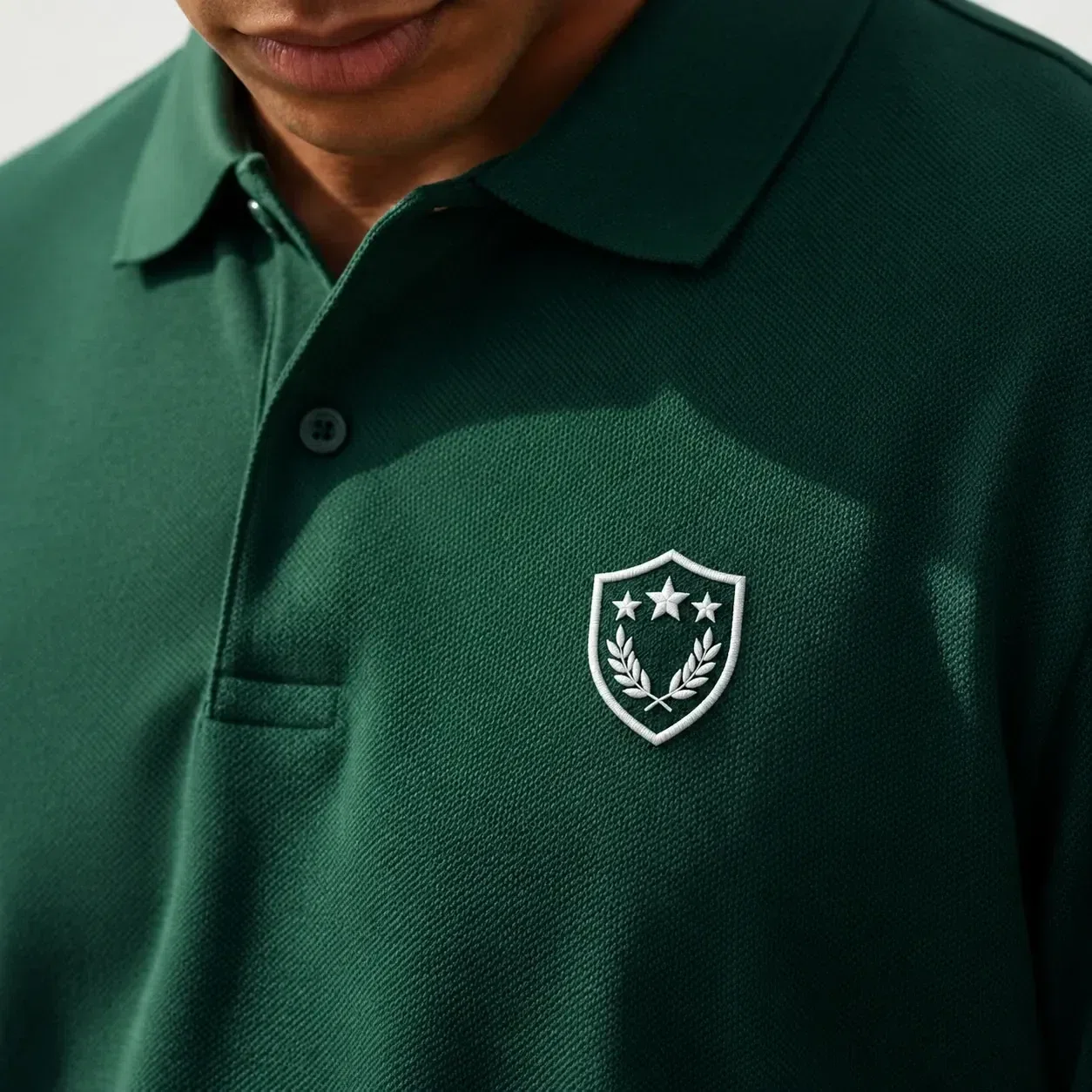
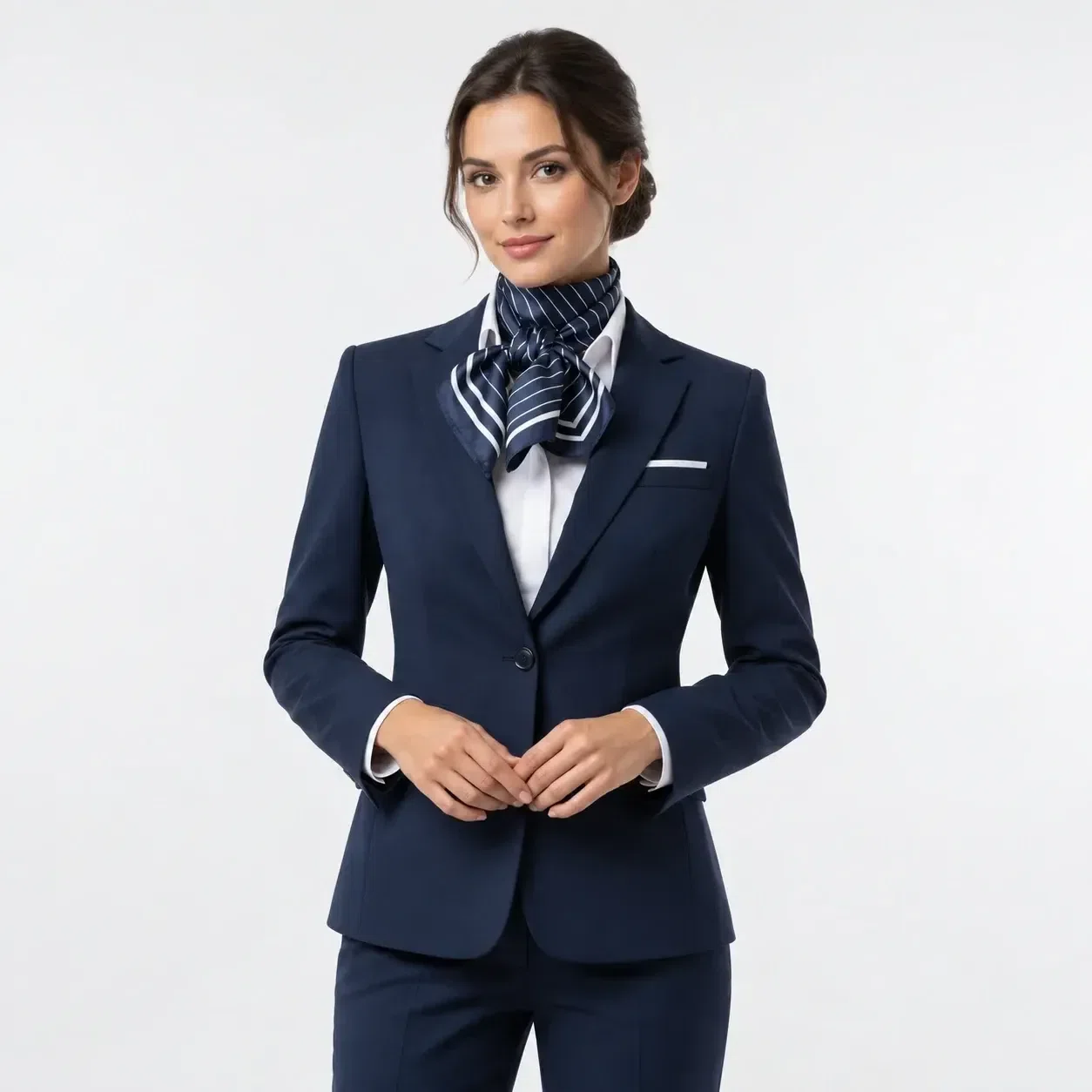

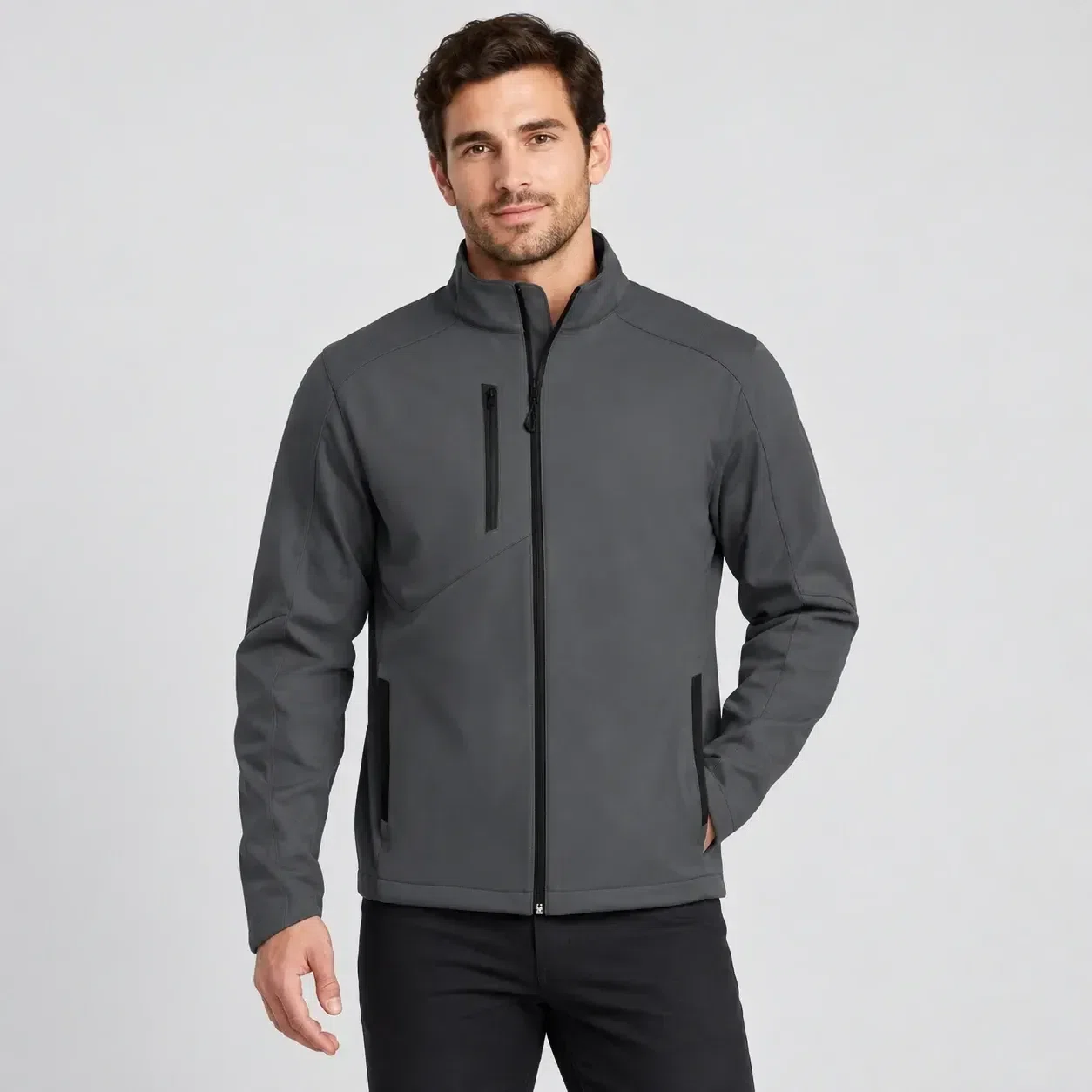
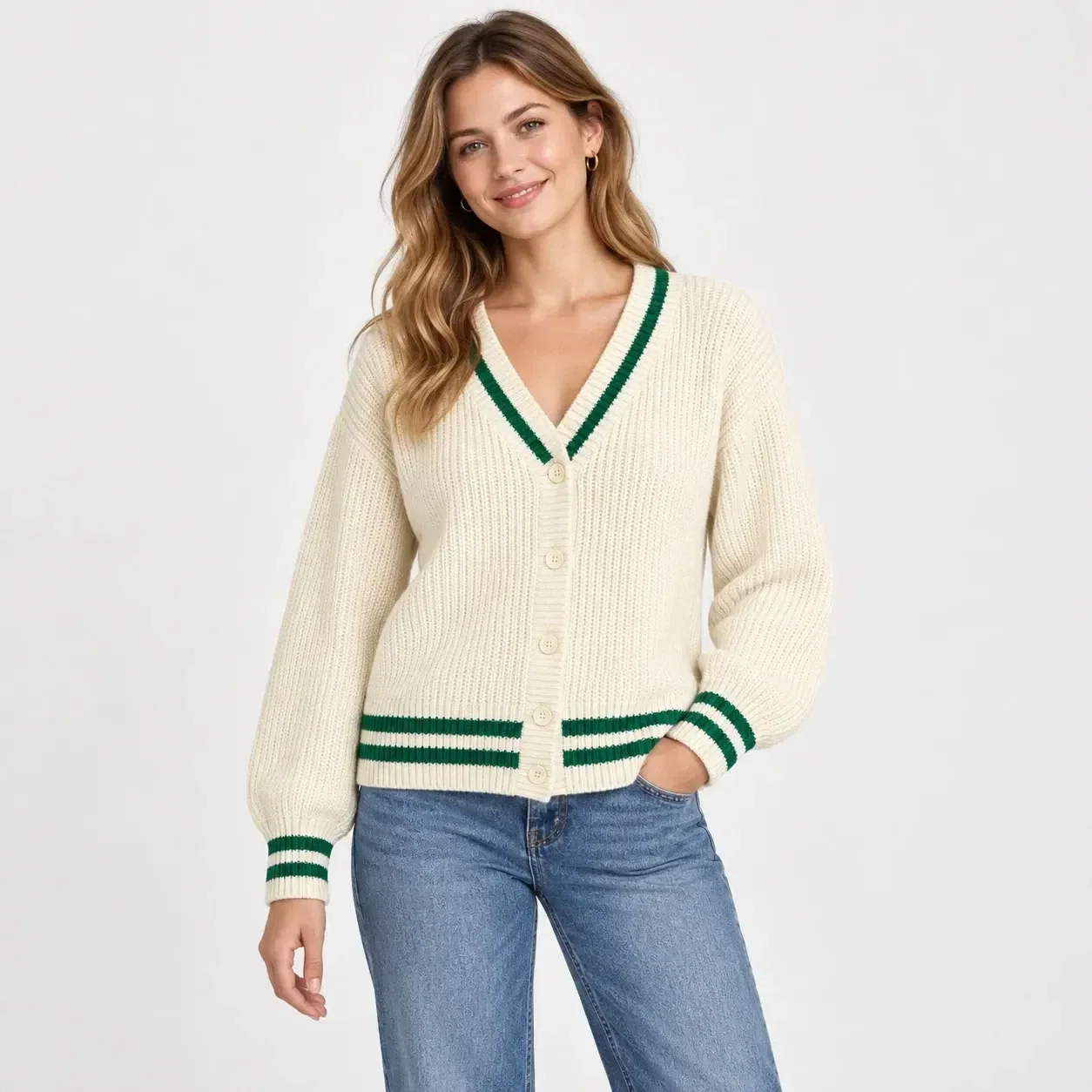
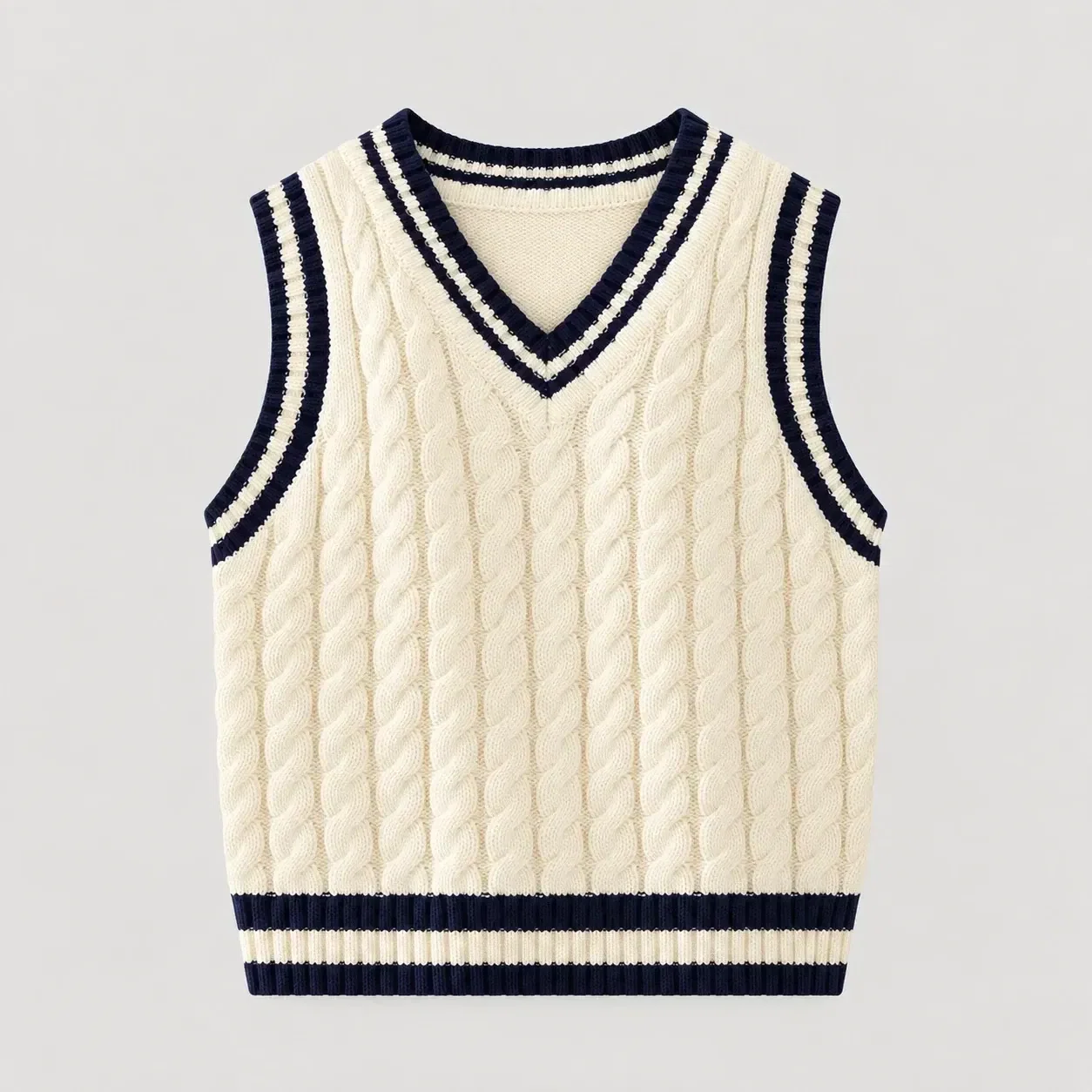
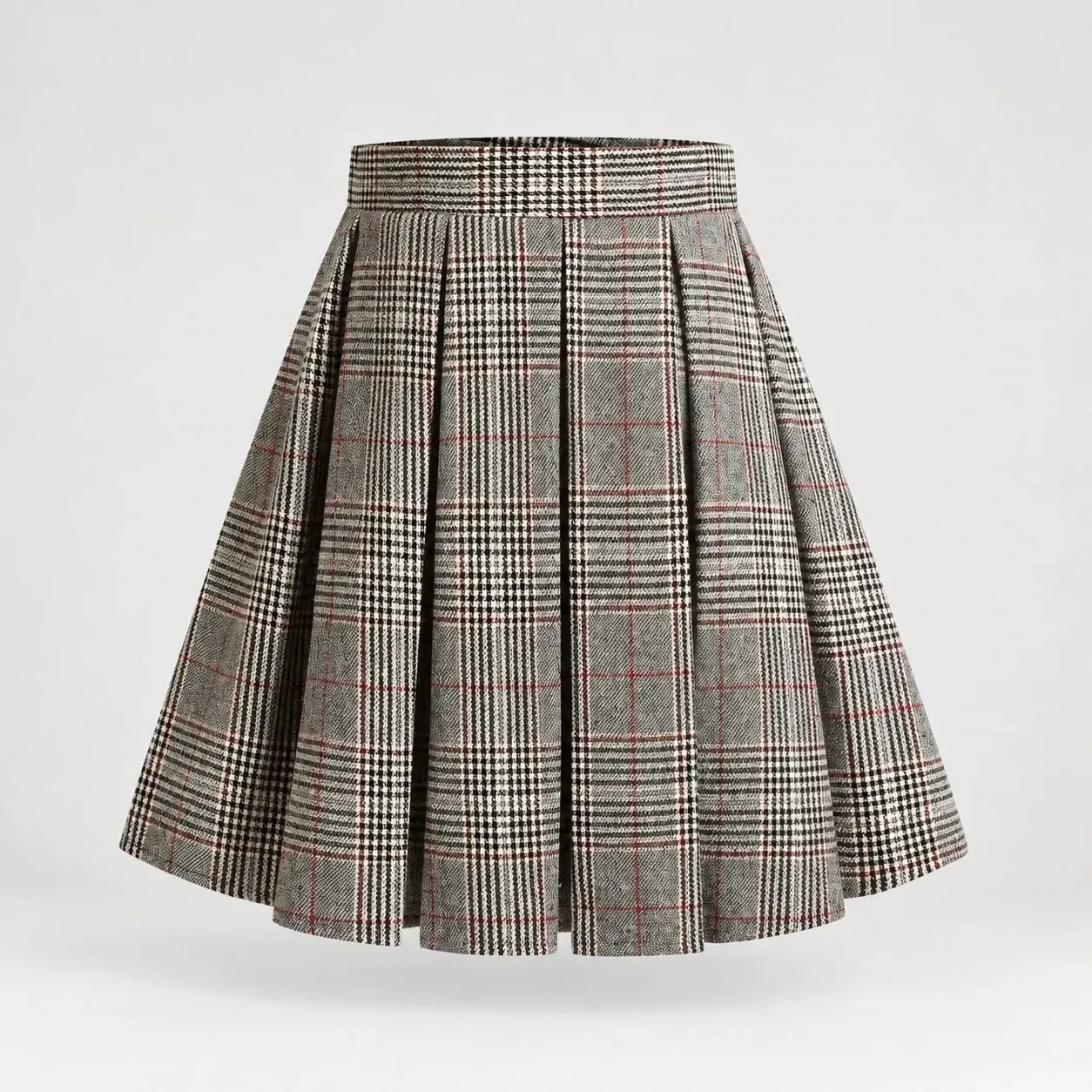
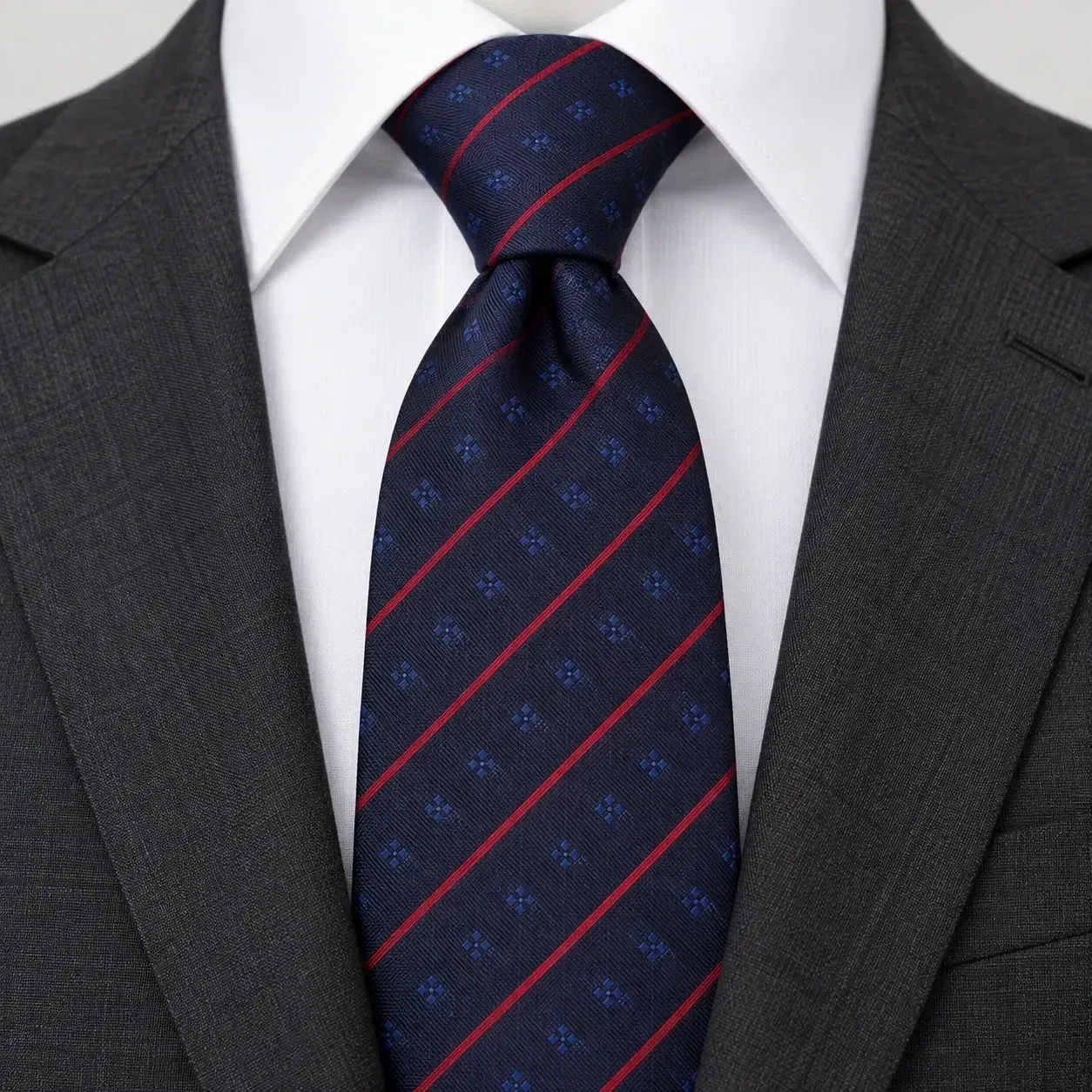
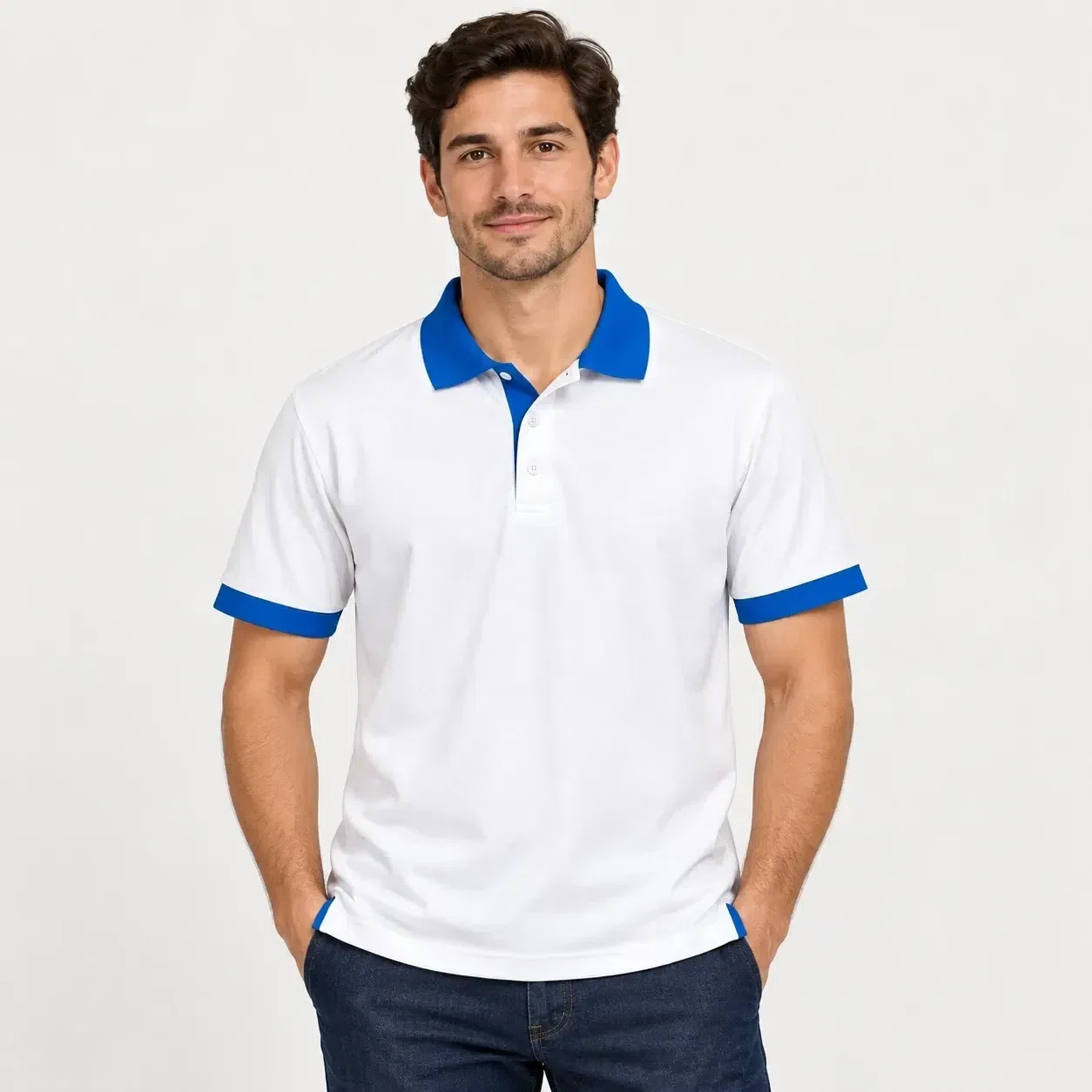
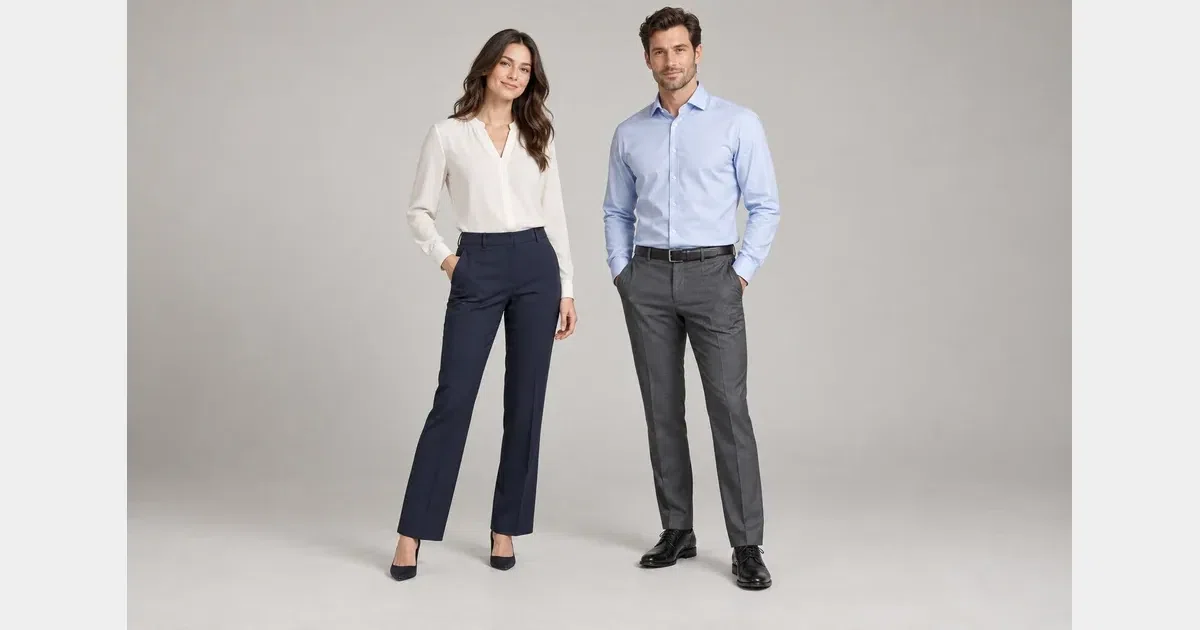





Corporate uniform design in New Zealand starts with a clear direction for your office uniform project. Share your company colours, preferred clothing, logo artwork and team requirements with StitchBase Uniform. For a new wardrobe or an update to existing corporate wear, define coordinated women’s and men’s outfits that suit your workplace, reflect your brand and give buyers a practical basis for comparing options.
Corporate Uniform Design in New Zealand: Plan Office Uniforms from Selection to Rollout
A corporate clothing project often starts with a change: a refreshed brand, a growing team or office uniforms that no longer meet employees’ needs. Before selecting replacements, identify what should improve and what already works. Feedback about fit, care and daily use gives your brief more direction than a list of preferred colours alone.
For corporate uniform design in New Zealand, set out the requirements of each workplace. A reception team may need a different level of formality from employees working mainly behind the scenes. Agree the approved outfit combinations, then connect them through consistent colours and branding. This keeps the wardrobe coherent while allowing practical choices for different roles.
Start with the Clothing Your Team Already Uses
If you are replacing an existing uniform, record its garment styles, quantities and known fit issues. Ask employees which pieces they wear regularly and which remain unused. Review recurring concerns, such as shirt length, sleeve fit or the way trousers feel when seated.
Decide whether the new wardrobe will replace every item at once or be introduced in stages. For a phased change, agree whether old and new garments can be worn together and for how long.
Select Core Shirts, Blouses and Trousers Together
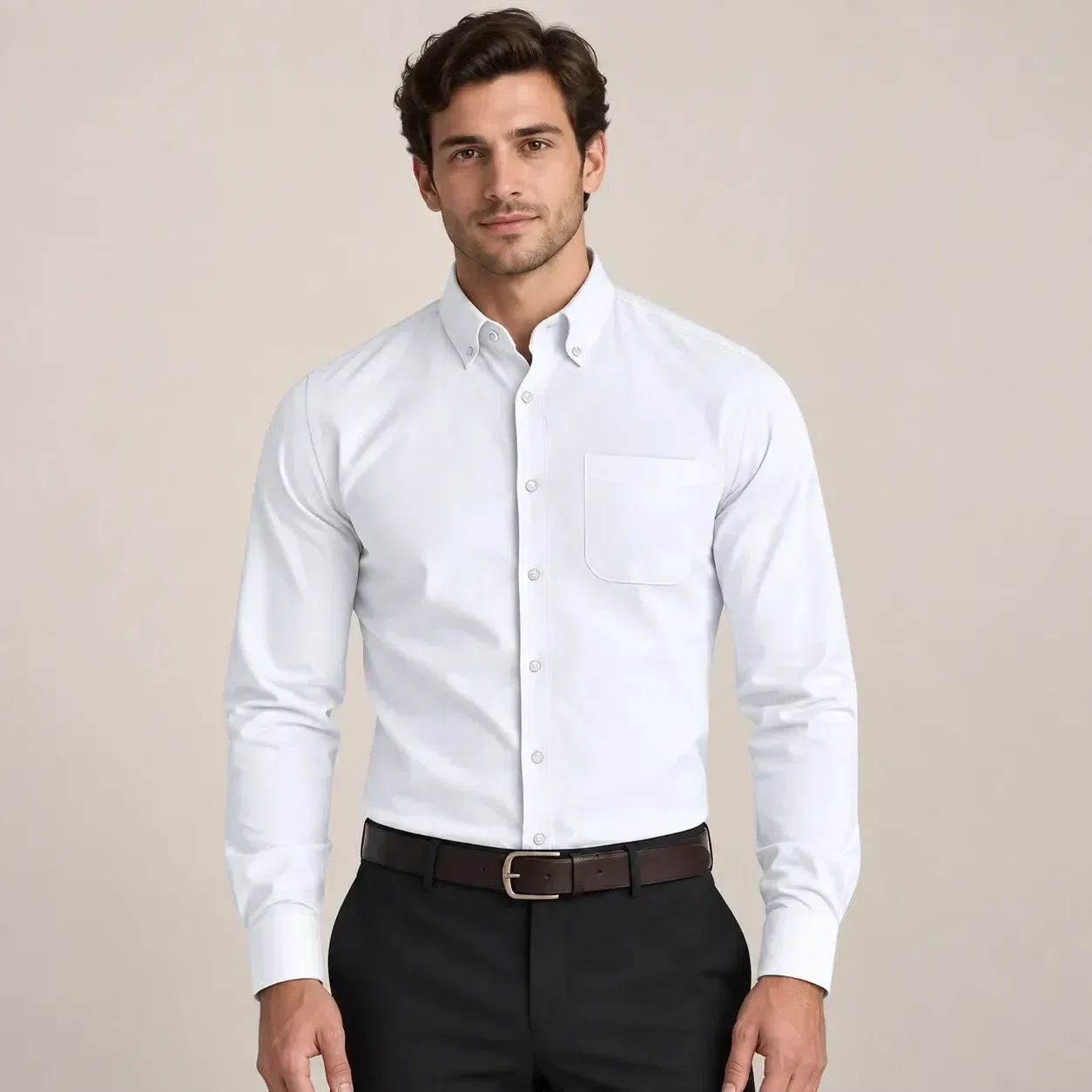
Choose the daily outfit before adding occasional pieces. When reviewing button-down shirts, specify collar style, sleeve length and the intended fit. Check how the shirt sits with the proposed lower garment, including whether the approved look requires it to be tucked in.
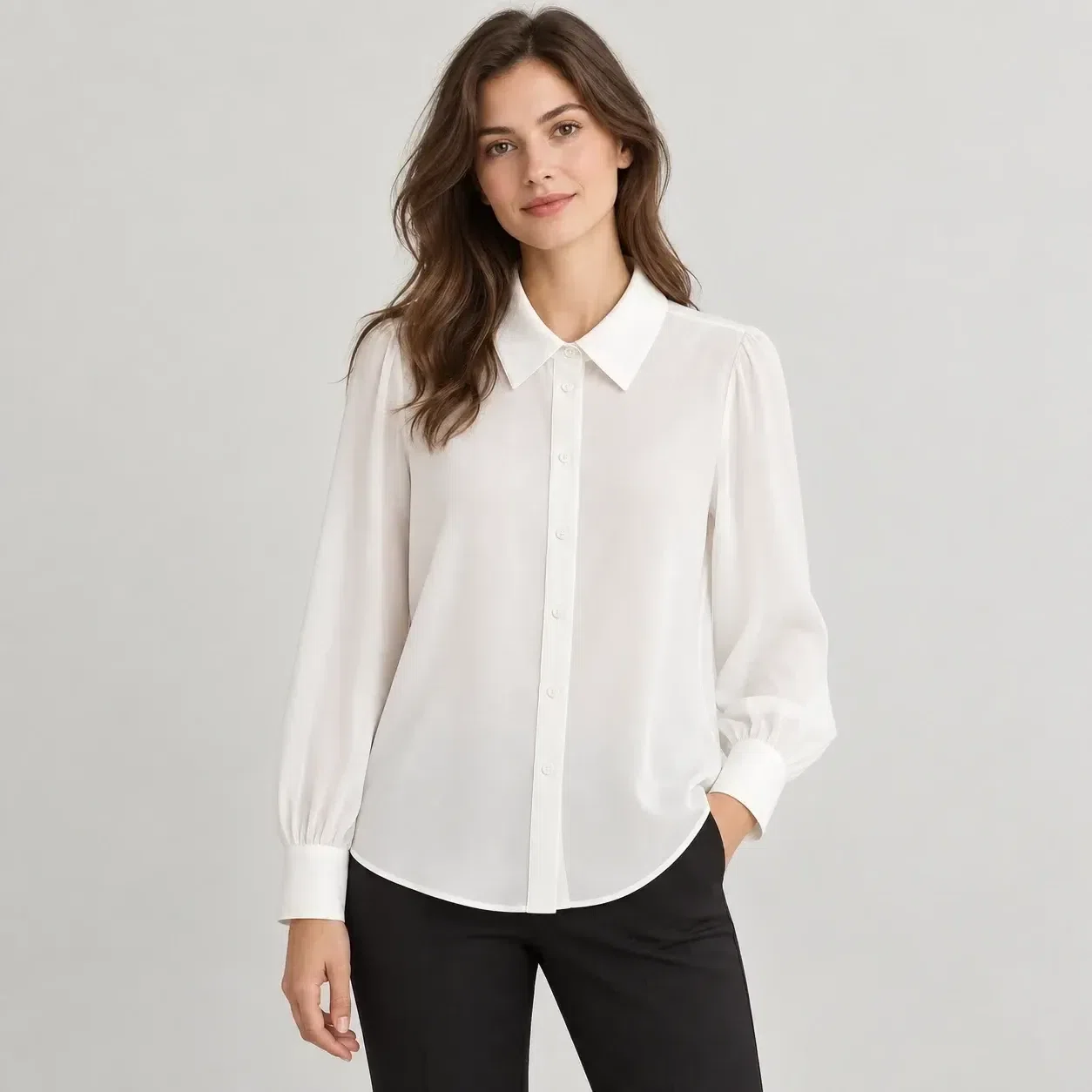
For women’s office blouses, consider neckline, coverage and ease through the shoulders and chest. Compare the proposed colours beside the shirts so different cuts still belong to the same corporate wardrobe. A shared visual identity does not require identical garment shapes.
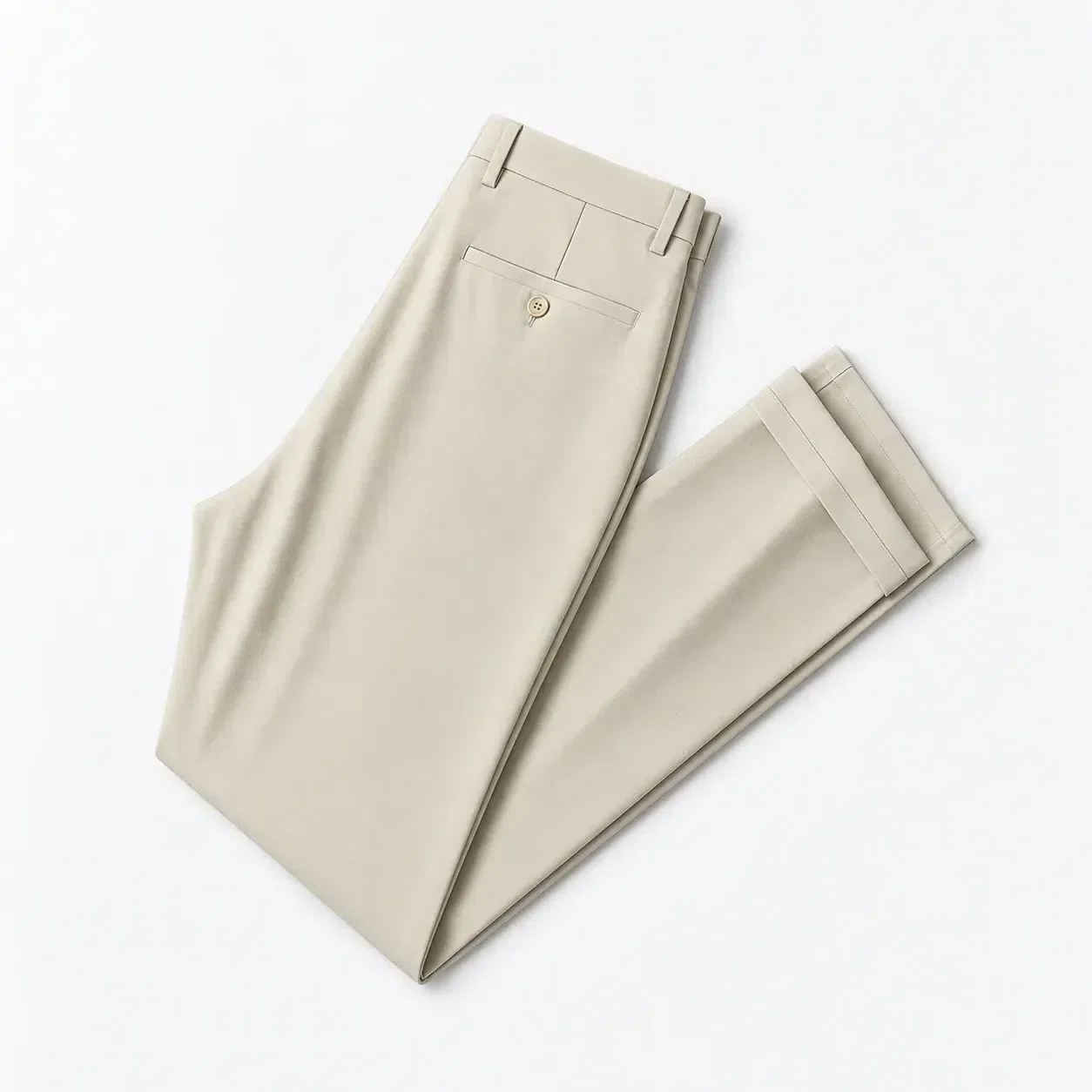
Assess corporate dress trousers for rise, waistband comfort, pocket access and finished length. Review each outfit as a combination rather than approving separate garments from unrelated photographs.
Use Representative Feedback to Confirm Fit
Arrange a sample review where available and include employees with different roles and fit requirements. Use the size chart for the proposed style, checking whether it describes body measurements or garment measurements. Record sizes by garment rather than assuming one label applies across the wardrobe.
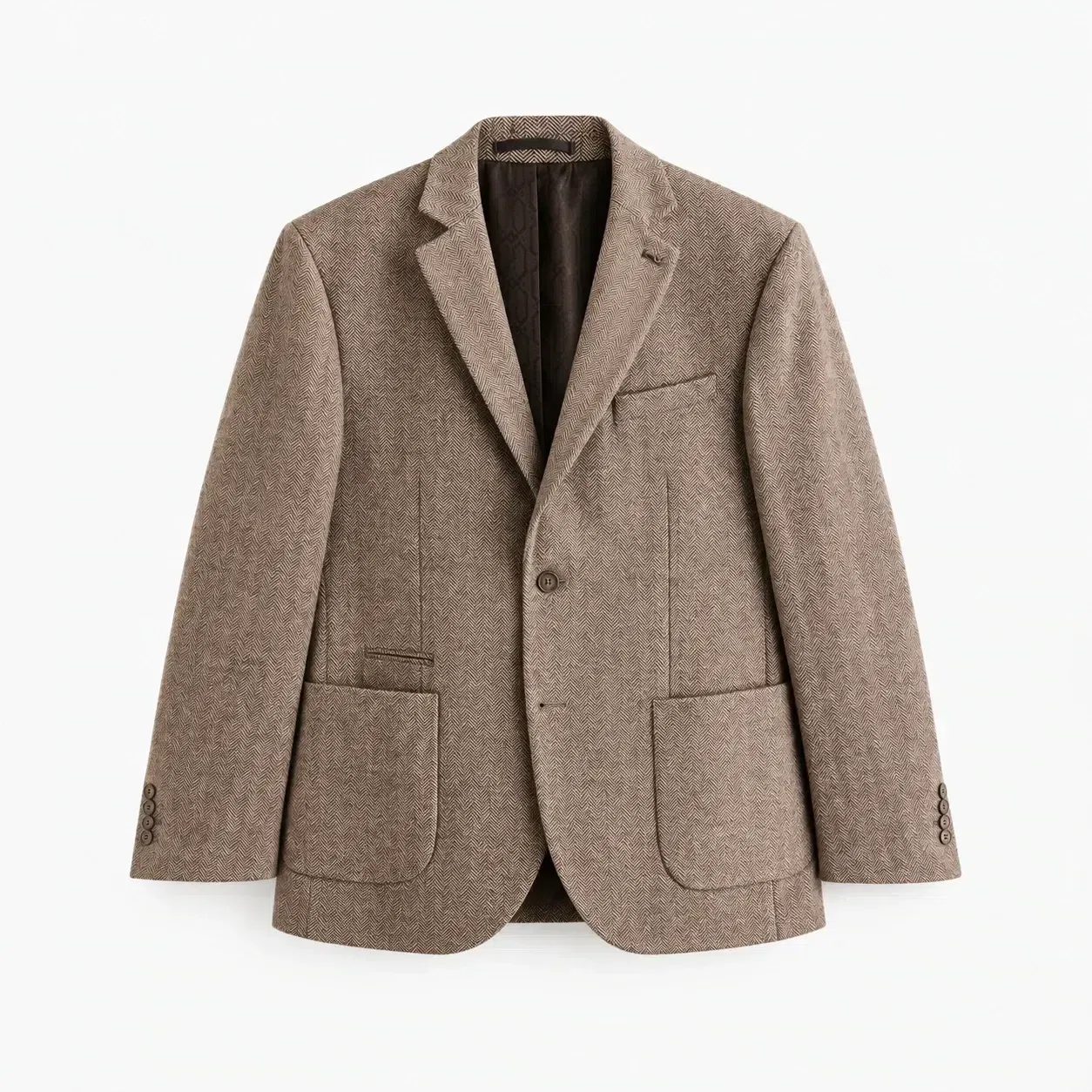
Ask wearers to sit, reach and move through typical office tasks. Review sleeve length, shoulder movement, chest ease and trouser comfort. If an optional jacket or knitwear layer is proposed, assess it over the selected shirt or blouse.
Keep feedback specific: identify the garment, size and adjustment requested. Confirm sampling costs, available alterations and exchange conditions before decoration begins.
Coordinate Branding, Care and Replacement Orders
Keep Artwork Consistent Across Teams and Brands
Supply the current approved logo files and identify who can authorise their use. State the preferred position, dimensions and colour references for each garment. If your organisation has several brands or divisions, prepare a separate artwork schedule for each one.
Where branding includes te reo Māori or other language wording, provide approved text and ask a suitable reviewer to check spelling, macrons and layout. Do not leave wording decisions to the person reproducing the logo.
Review the decoration proof on the intended fabric where possible.
Match Care and Optional Layers to Daily Use
Request fabric composition and care instructions for shortlisted corporate uniform clothing. Consider whether those instructions are manageable for employees and how frequently each item is likely to be worn and washed. Use this information when deciding the number of garments to issue.
If a care trial is agreed, compare measurements, colour appearance, seams and decoration before and afterwards. Follow the proposed instructions and record the results. Avoid treating broad claims such as easy-care as a substitute for specific guidance.
For staff travelling between offices or meeting clients, describe any additional clothing needs. Confirm the purpose of each proposed layer; appearance alone does not establish weather protection or other performance properties.
Prepare Location Details and Replacement Records
For teams in Auckland, Wellington, Christchurch or other New Zealand locations, list quantities and confirmed sizes by receiving address. Include the postcode, receiving contact and any rural delivery details. Specify whether packing should be organised by location, department or wearer.
Ask for delivery arrangements and costs to be confirmed for each destination, including any relevant North Island or South Island locations. State your requested launch date separately from the supplier’s confirmed schedule, allowing for samples and artwork approval.
Keep a dated list of approved styles, colours and sizes for new starters and replacements. Ask how later availability or specification changes will be handled. Before ordering, confirm the quotation currency, shipping costs and any import responsibilities that apply.