

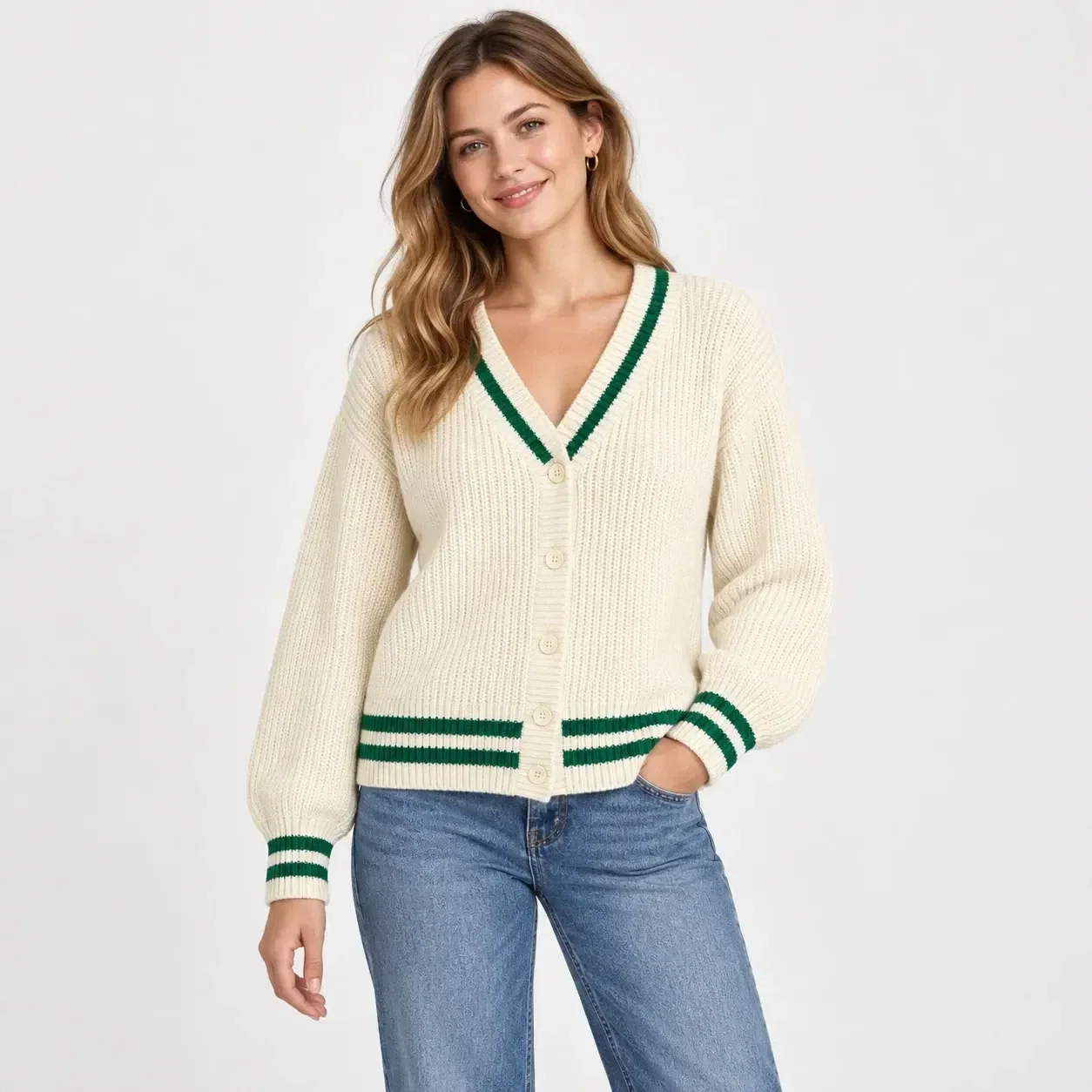
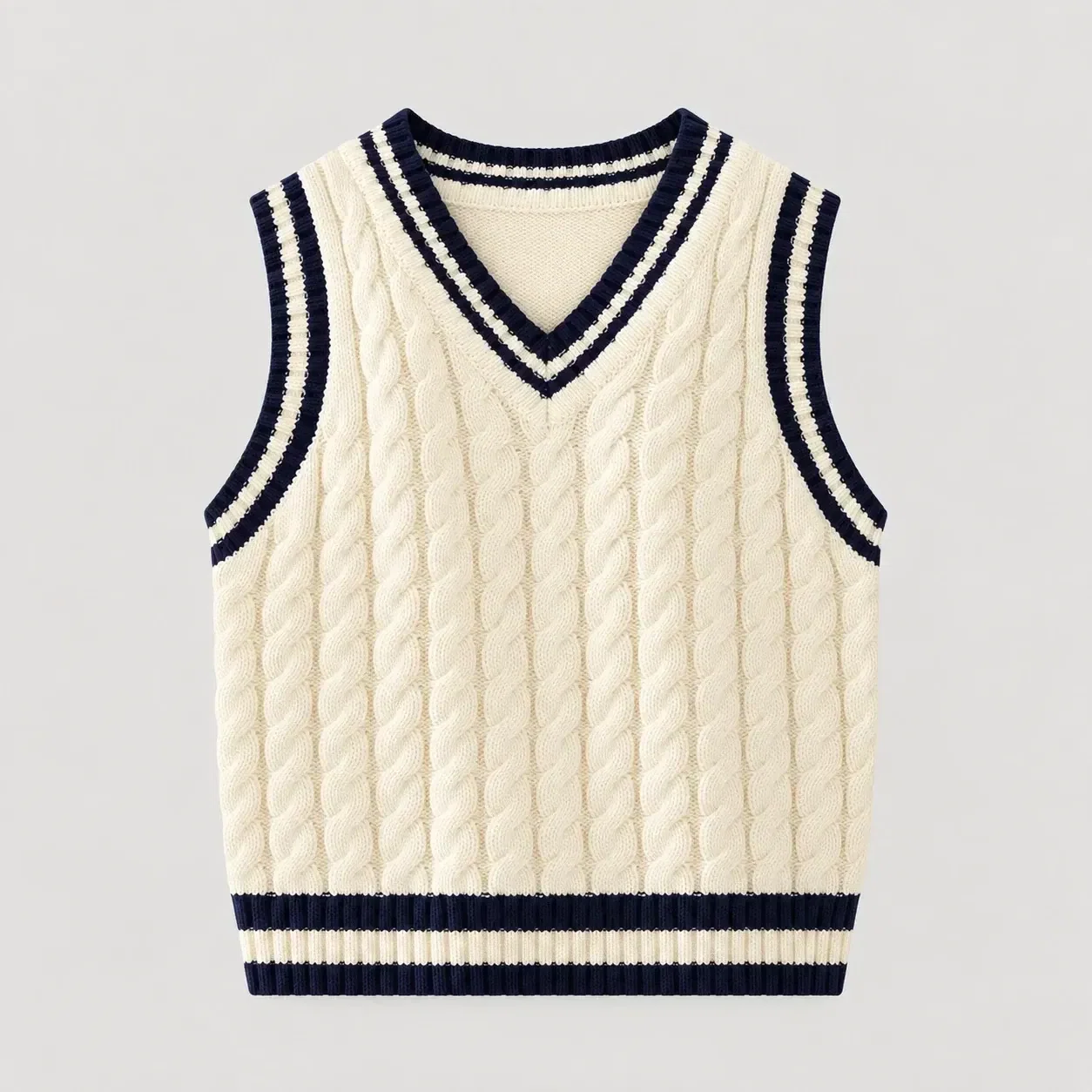
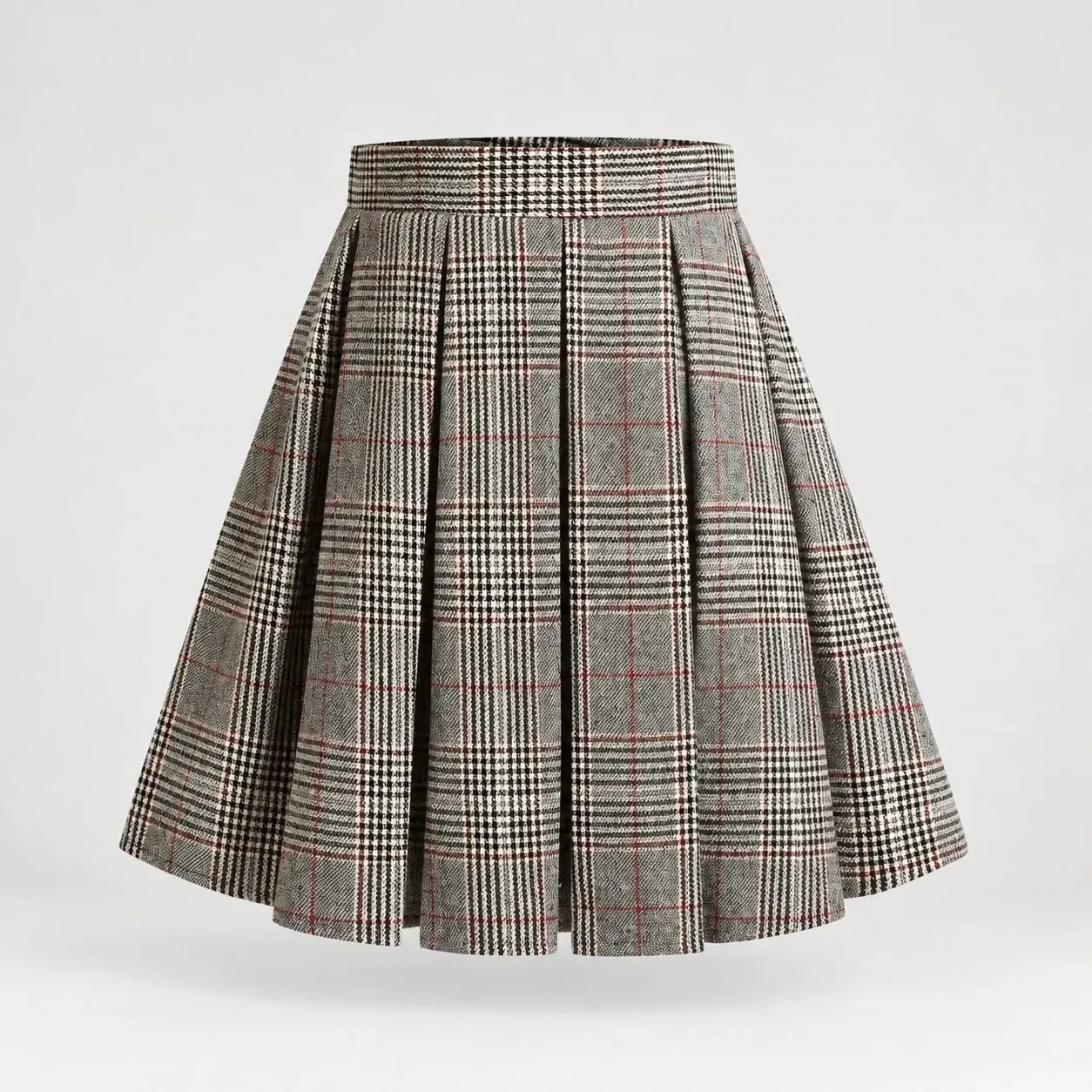
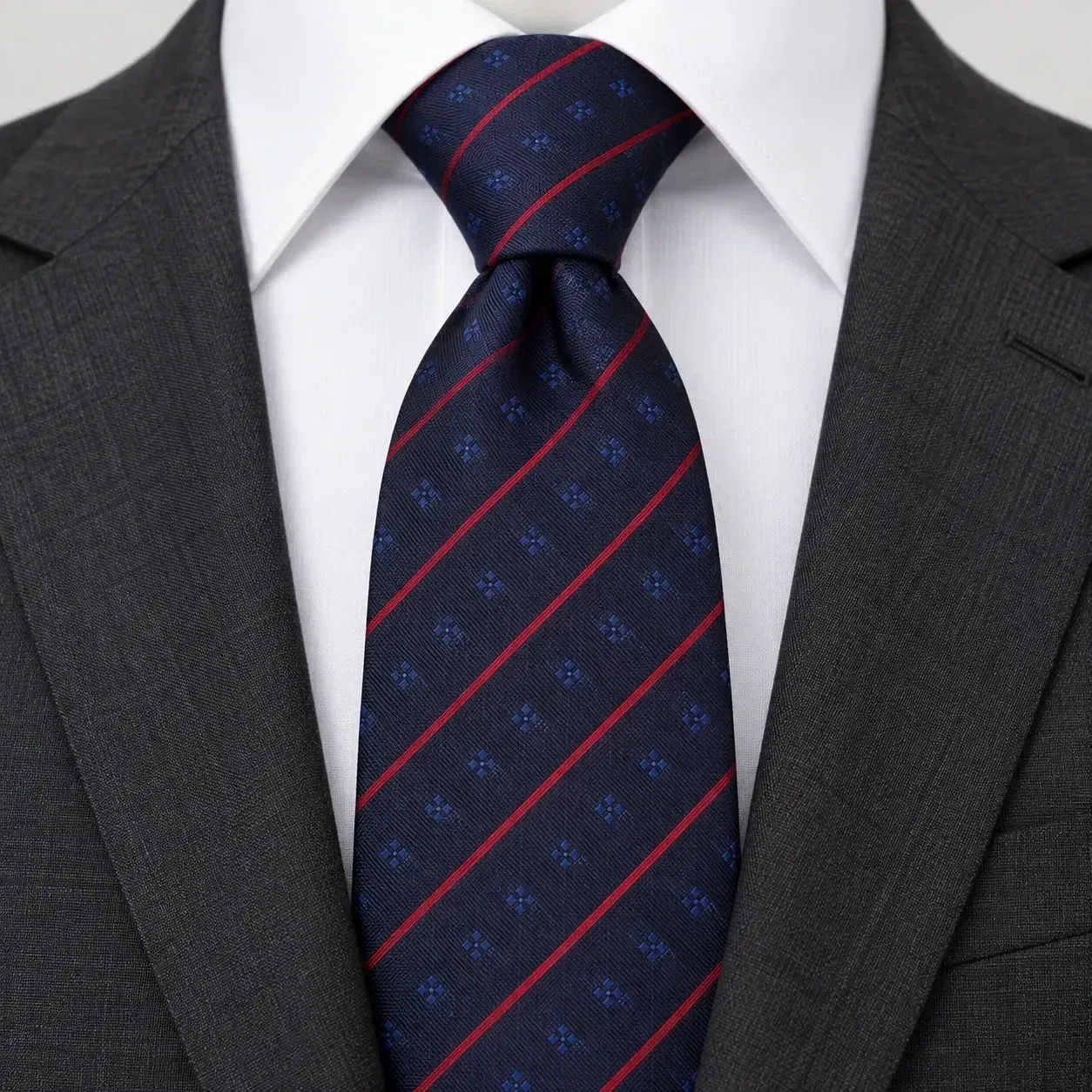





Corporate uniform design in Saudi Arabia starts with a clear office uniform brief. Share preferred styles, women’s and men’s fits, company colours and branding details with StitchBase Uniform. For corporate teams in Saudi Arabia, begin with your organisation’s dress policy, employee needs and order quantities, then define the samples and approvals required before a wider rollout.
Corporate Uniform Design in Saudi Arabia: Build a Specification Your Team Can Use
Choosing corporate clothing involves more than approving a design. HR needs suitable options for employees, the brand team needs consistent presentation, and procurement needs enough detail to compare quotations.
For a Saudi Arabia corporate uniform project, clarify where the proposed clothing will be worn and how it fits your workplace policy. Identify the roles involved, any approved alternatives and the person responsible for final decisions.
Decide Where Uniform Clothing Fits Your Dress Policy
Start by identifying which employees need issued office clothing. Reception teams, customer service staff and client-facing departments may have different requirements from internal administration or management. Record whether the uniform is worn throughout the day or for particular duties.
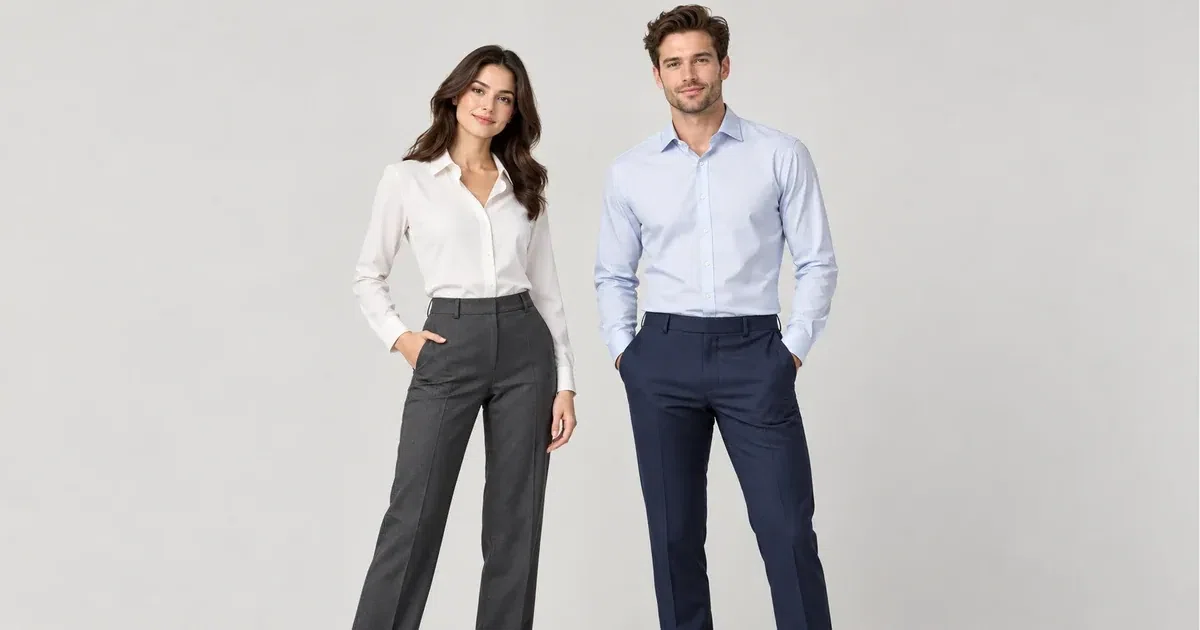
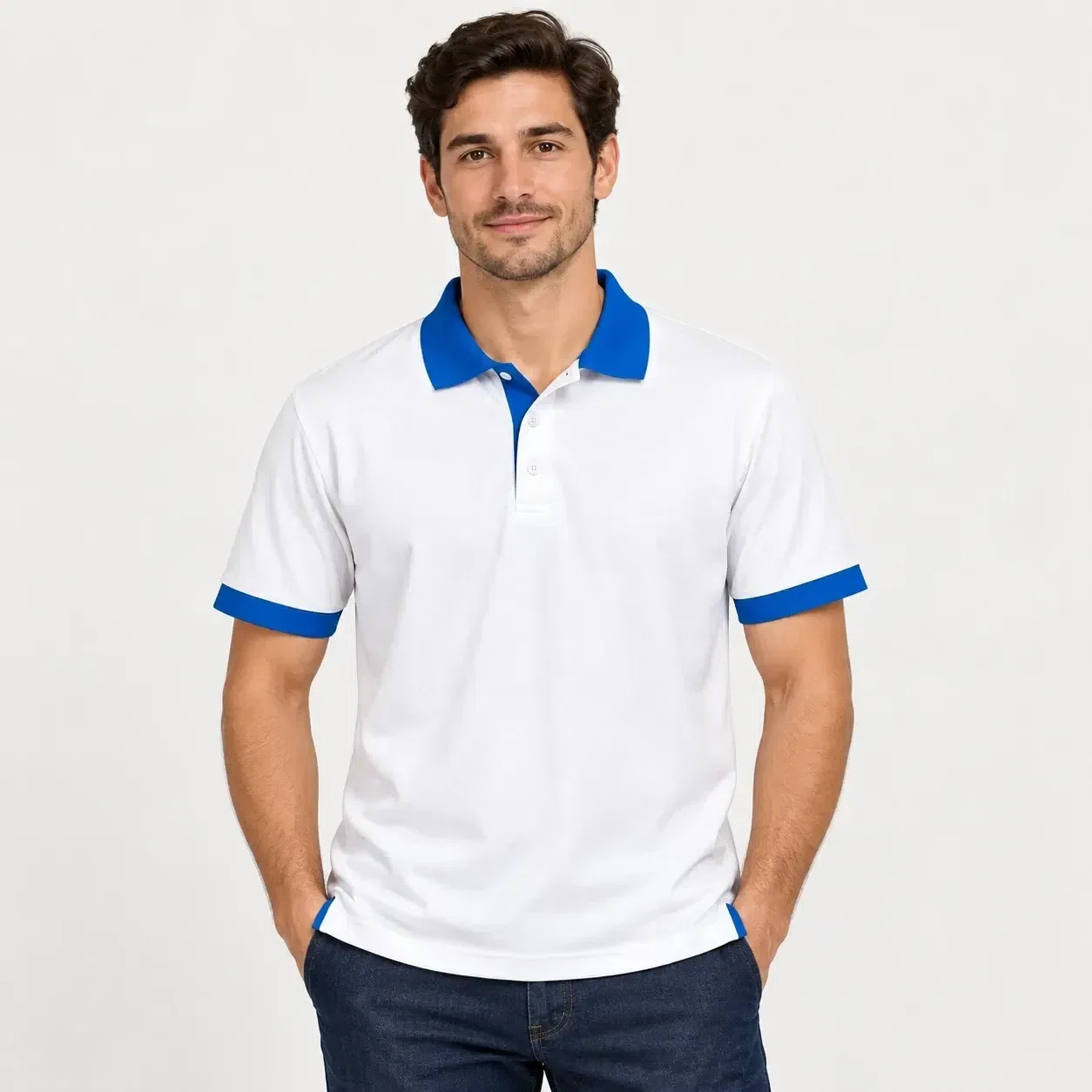
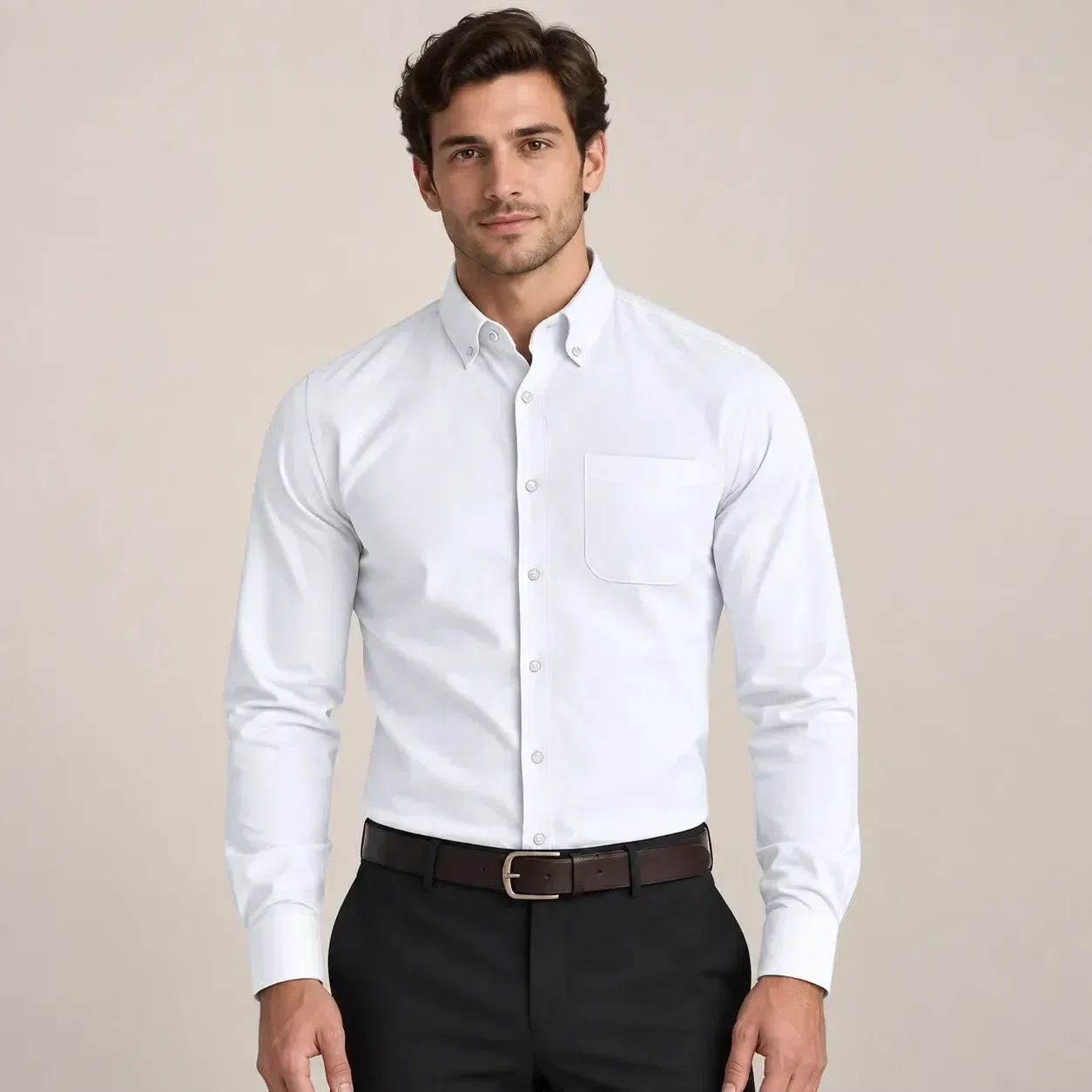
Where a collared shirt is part of the agreed wardrobe, include button-down shirts in your style comparison. Specify the collar, sleeve length, colour and intended fit, together with any jacket or accessory worn alongside it.
If your policy permits other forms of professional or traditional clothing, explain how the proposed uniform items should work alongside those choices. Agree the shared branding elements instead of assuming every employee must wear an identical outfit.
Define Women’s Fit and Coverage Requirements Early
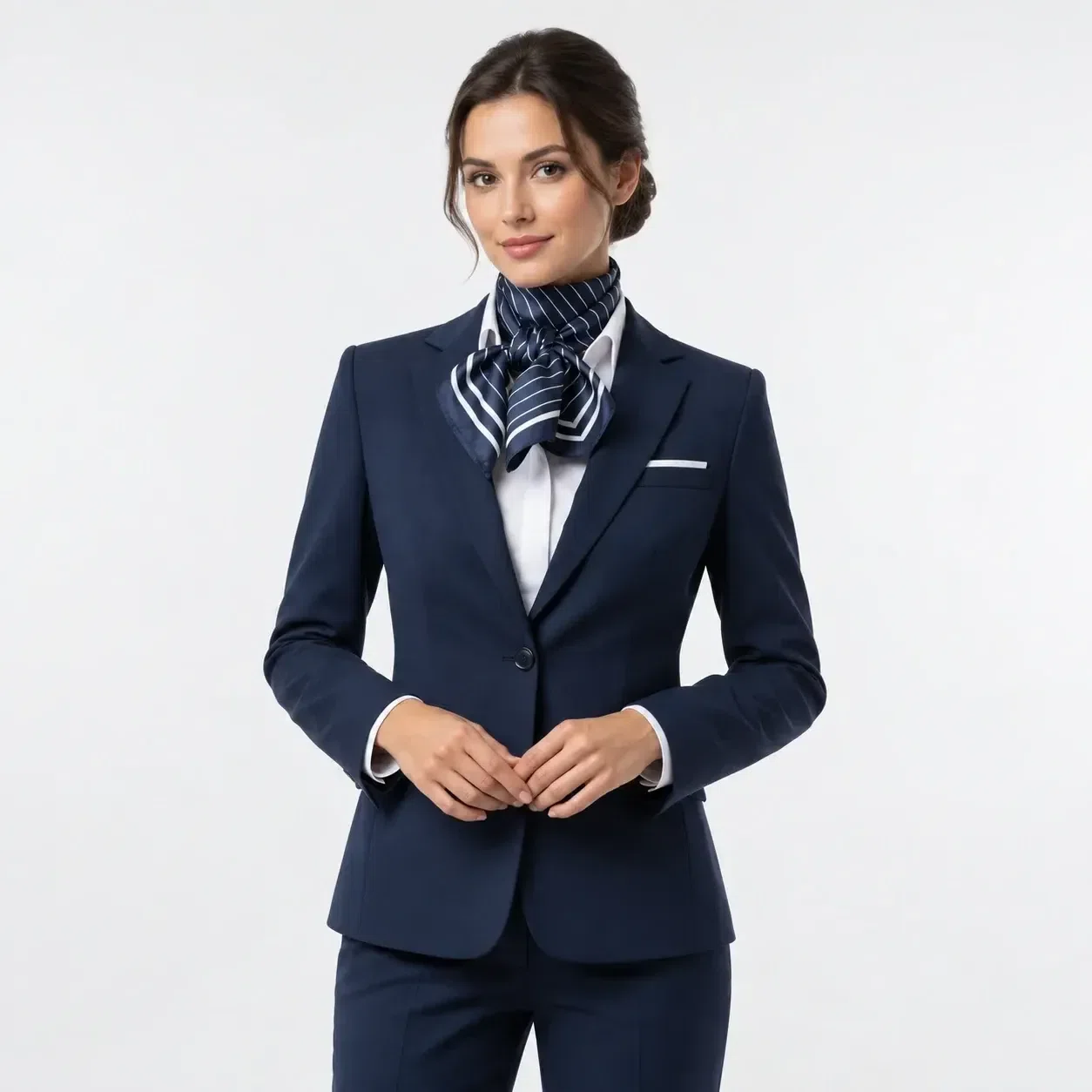
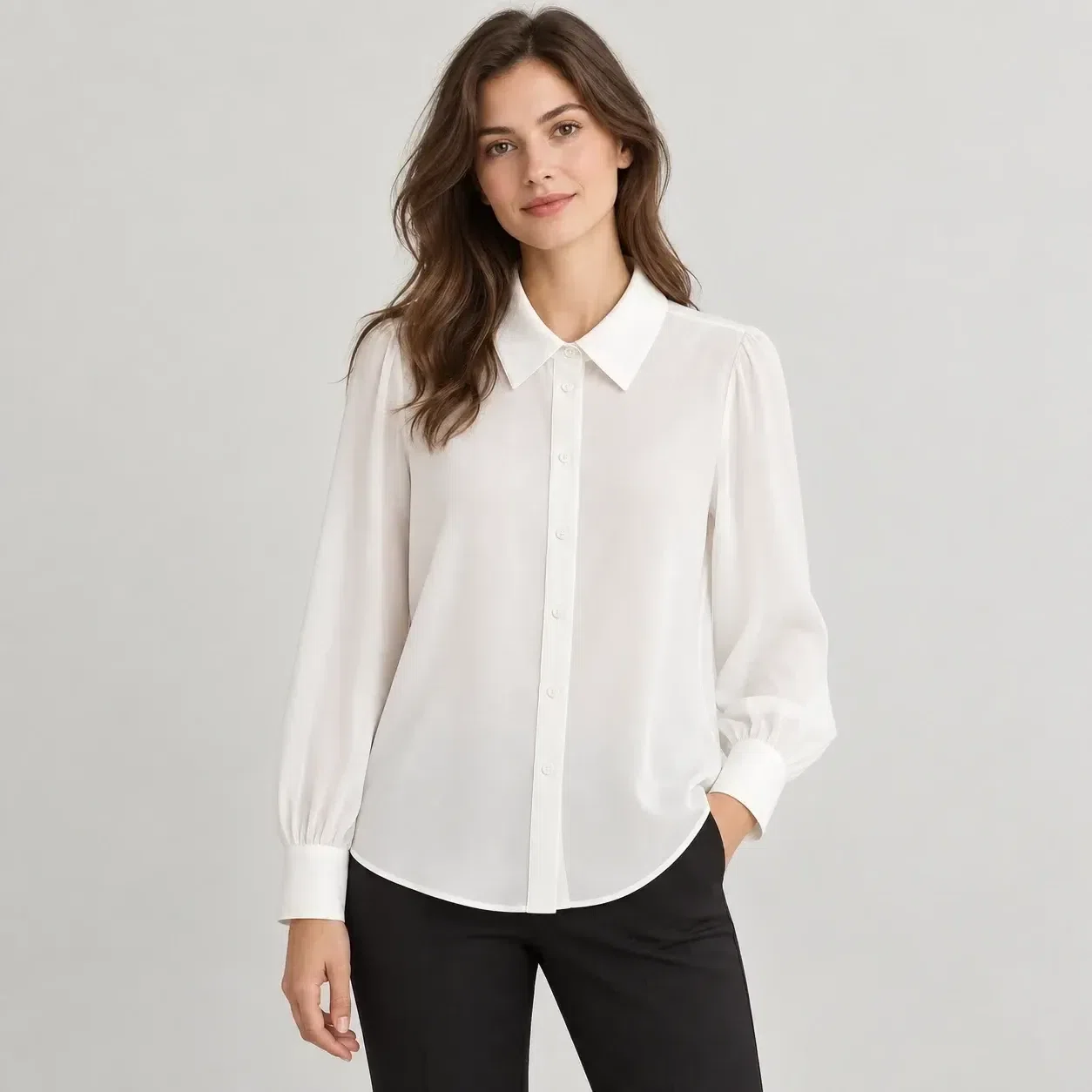
When specifying corporate uniforms for women, discuss garment shape and coverage before choosing sizes. Consider blouse length, neckline, sleeve coverage and how the proposed outfit works with any additional layers permitted by the employer.
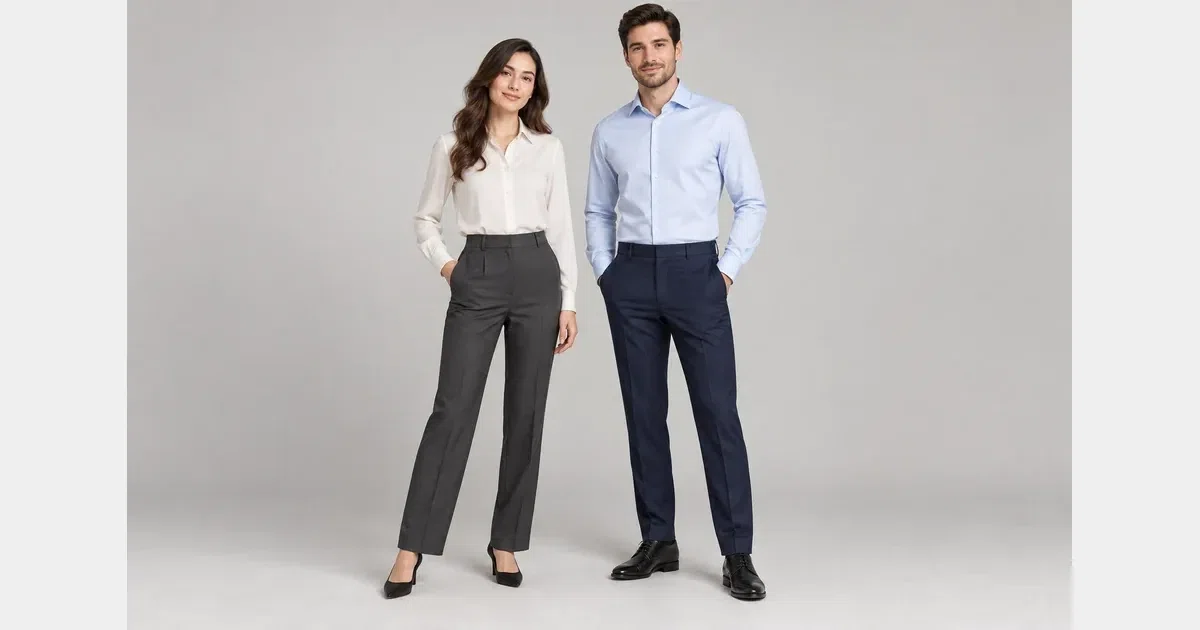
Review women’s office blouses against those requirements. During a sample fitting, check shoulder movement, chest ease and whether the garment remains comfortable when seated or reaching. Assess opacity under the lighting where it will be worn.
For men’s garments, review collar measurements, shirt length and shoulder fit with the same attention. Use the supplier’s garment measurements and size chart, and ask which fit variations can actually be provided.
Evaluate Fabric as Part of the Complete Outfit
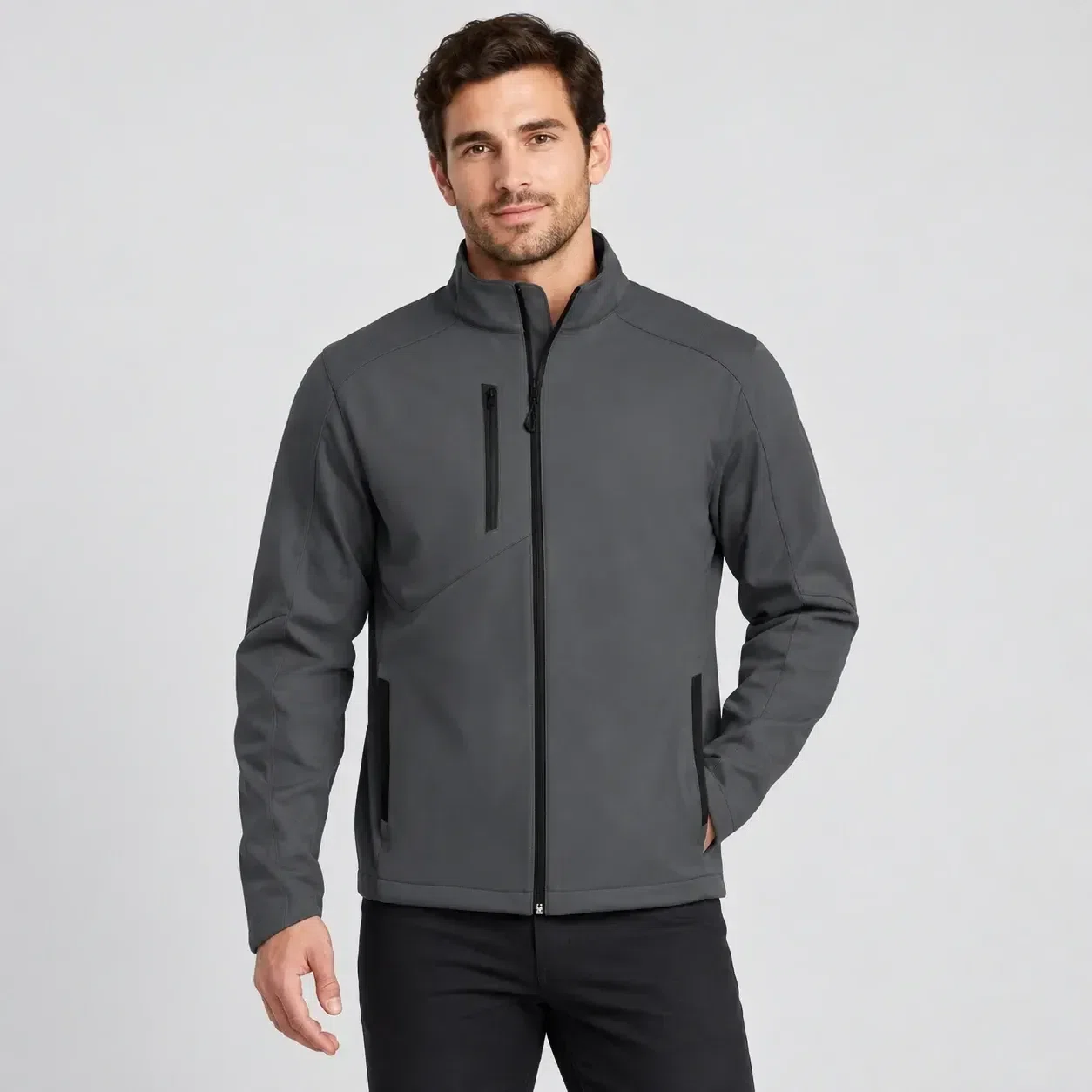
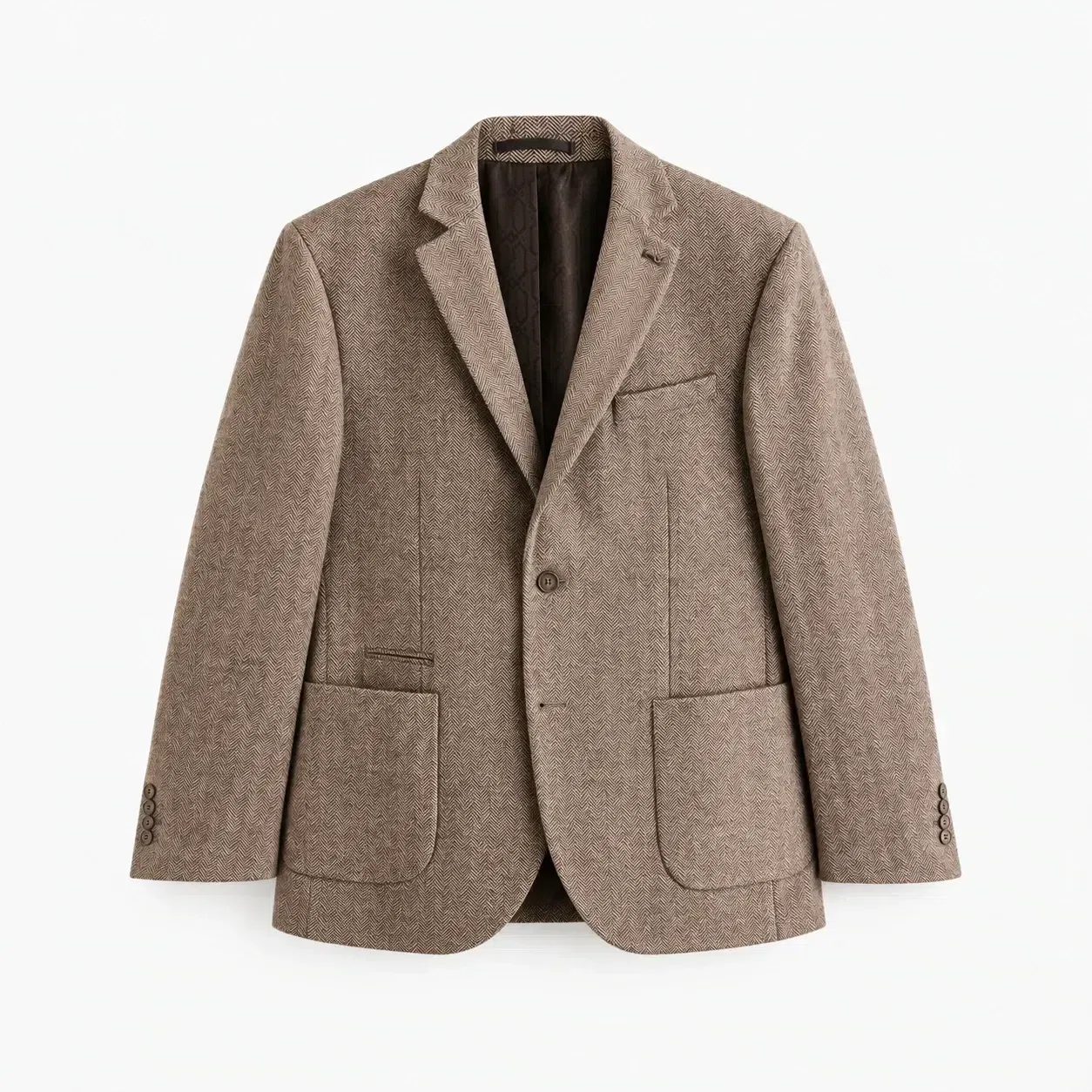
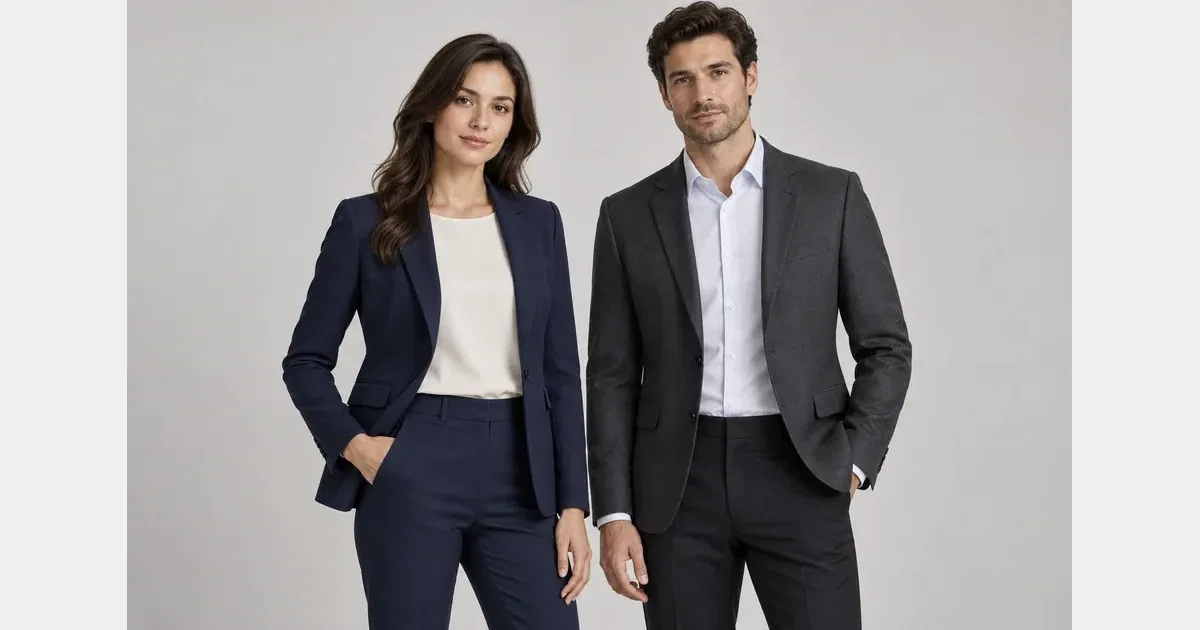
Ask to assess representative samples with the intended shirt, blouse, trousers and any outer layer together.
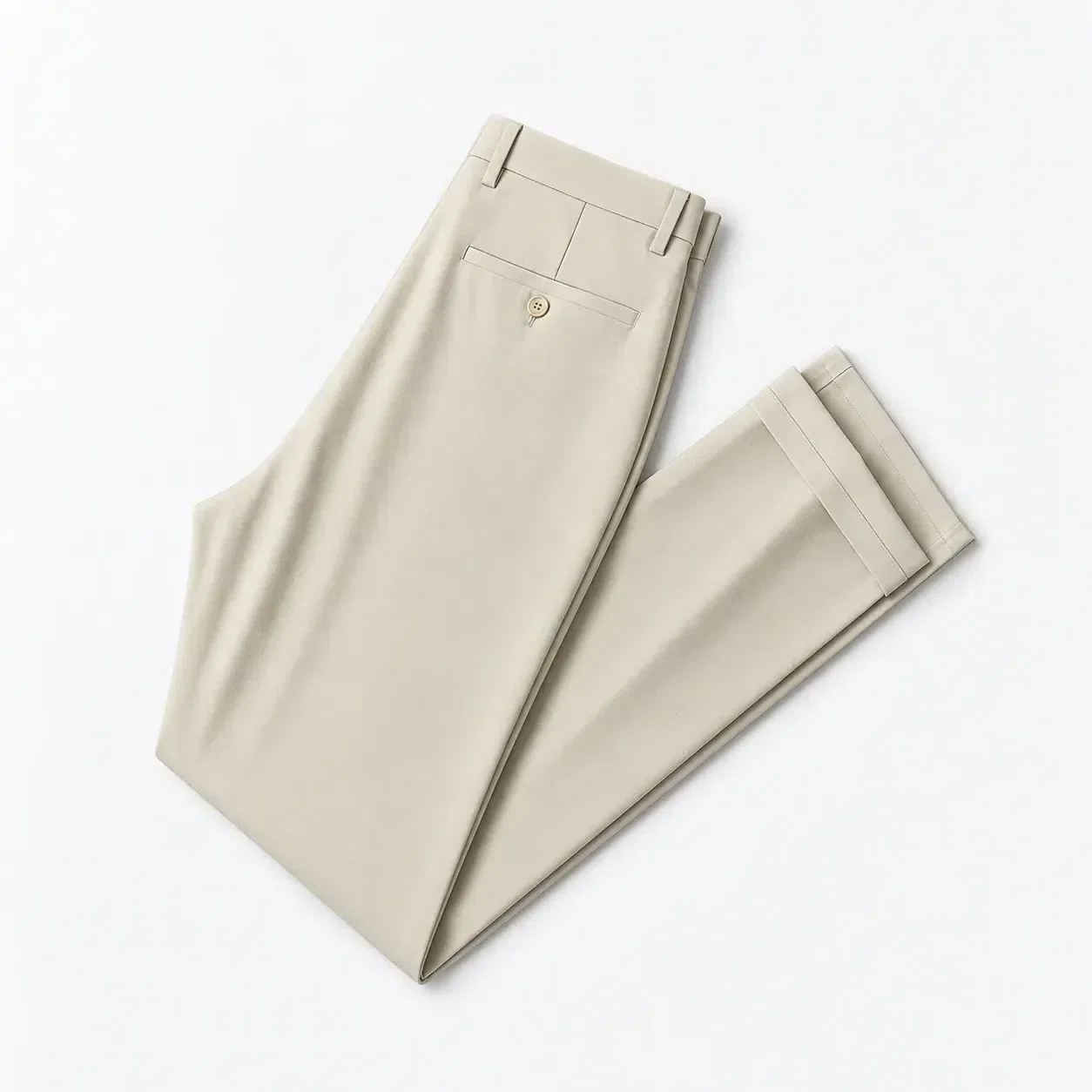
For dress pants and slacks, check the rise, waistband, leg shape and length. Review the fit when seated and walking, as well as how pockets and closures function during normal office tasks.
Describe indoor working conditions and any travel or outdoor duties in the brief. Then compare fabric weight, texture, drape and care instructions against those routines. Before accepting performance claims, request the relevant product specification or evidence. Ordinary corporate clothing should not be treated as protective workwear.
Make Arabic and English Artwork Approval Specific
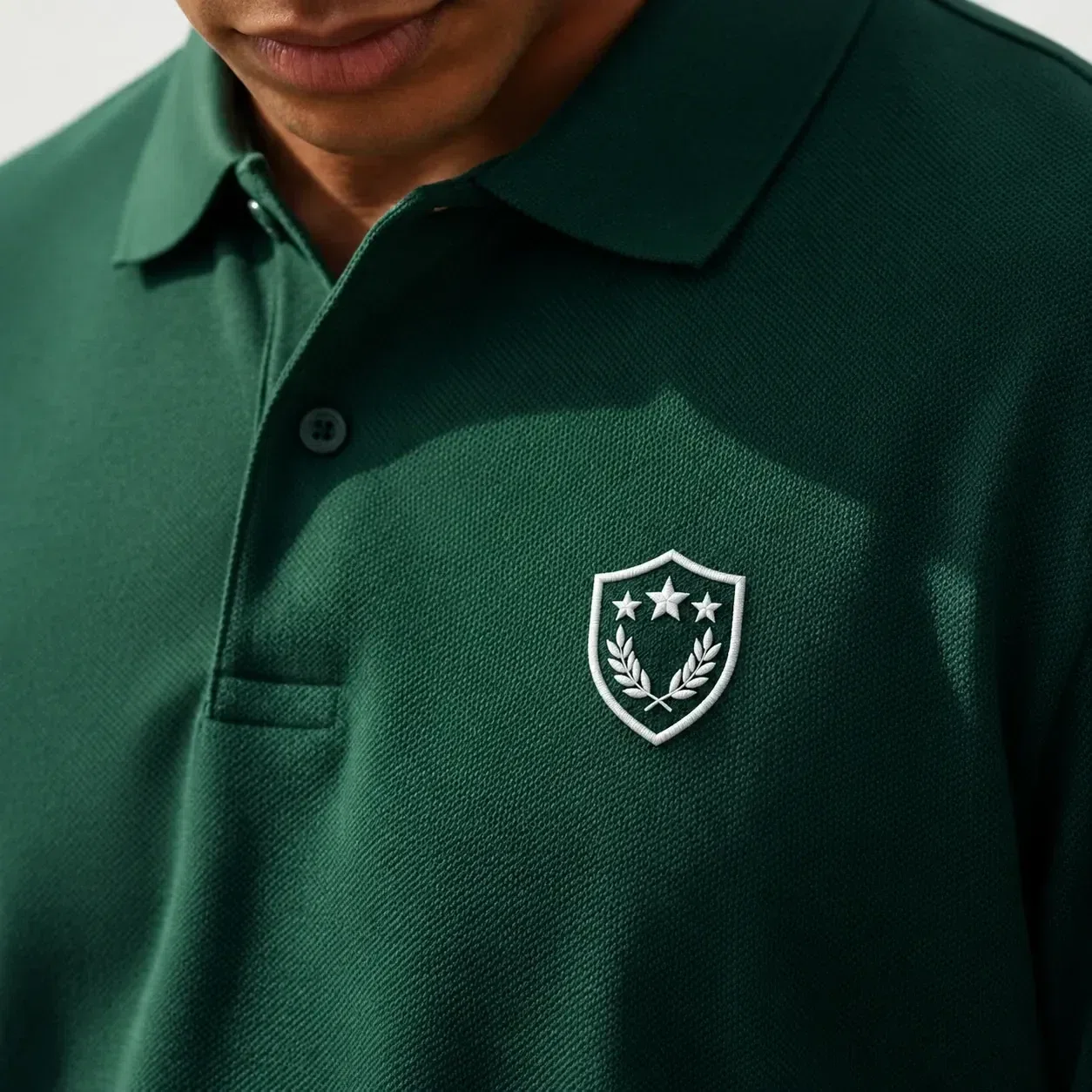
If the company uses Arabic and English branding, provide approved files for both versions. State which wording appears on each garment, whether the languages are combined and how the design should be positioned.
Nominate an authorised reviewer to check spelling, layout and legibility at the intended reproduction size. A small chest logo needs its own review; approval of a large digital image does not establish that every detail will remain clear on fabric.
Discuss the proposed decoration method using the selected garment sample. Keep a record of the approved logo dimensions, colours and placement, so the production brief does not depend on informal messages or an outdated artwork file.
Test the Specification Before a Full Rollout
For a larger project, ask whether a representative sample review or agreed pilot order can be arranged. This gives the buyer an opportunity to test the specification before introducing it across all participating teams. Sampling and pilot terms must be confirmed with the supplier.
Review:
- Fit and coverage across the main employee requirements.
- Comfort during everyday office movement.
- Fabric appearance after an agreed care trial.
- Logo positioning, wording and colour contrast.
- Seams, buttons, closures and overall finish.
Record changes against a dated specification and approve the final version in writing. Retain a reference sample where practical. If later batches use a replacement fabric or revised pattern, review the change before accepting it as equivalent.
Prepare a Comparable Corporate Uniform Quotation Brief
Send the garment list, quantities per style, size breakdown and approved branding files with your enquiry. Include sample requirements, intended delivery addresses in Saudi Arabia and the date you would like the clothing to enter service.
For several offices, identify receiving contacts and whether garments should be packed by branch, department or wearer. Confirm delivery arrangements for each destination and ask which purchasing documents the supplier can provide.
Request separate costs for garments, sampling, decoration, packing and transport where applicable. If supply is cross-border, clarify shipping and import responsibilities before approving the order. Plan replacement garments and new-starter needs using the same approved specification, while confirming current availability and reorder terms.
Share your Saudi Arabia corporate uniform requirements with StitchBase Uniform to discuss suitable options and the details needed for a quotation.