





Corporate uniform design UK teams can plan around
Corporate uniform design in the UK starts with your organisation’s dress policy and the work each person does. Reception, administration and client-facing roles may share one brand identity while needing different garment choices. Start with a short list of coordinated pieces, then build the brief around wear, fit, cleaning and replacement needs. See the [corporate uniform range](/industry/corporate-uniforms/) while you map the roles.
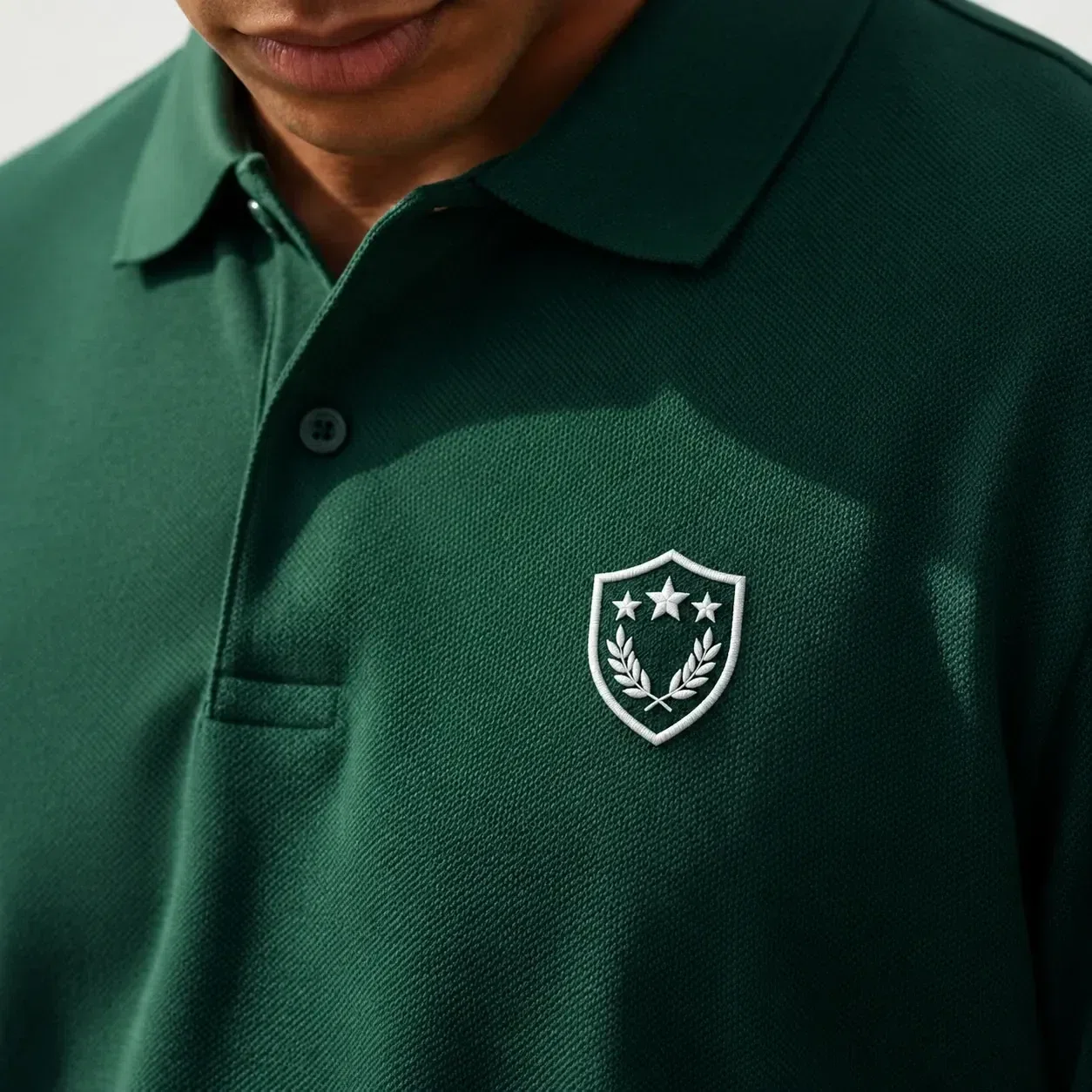
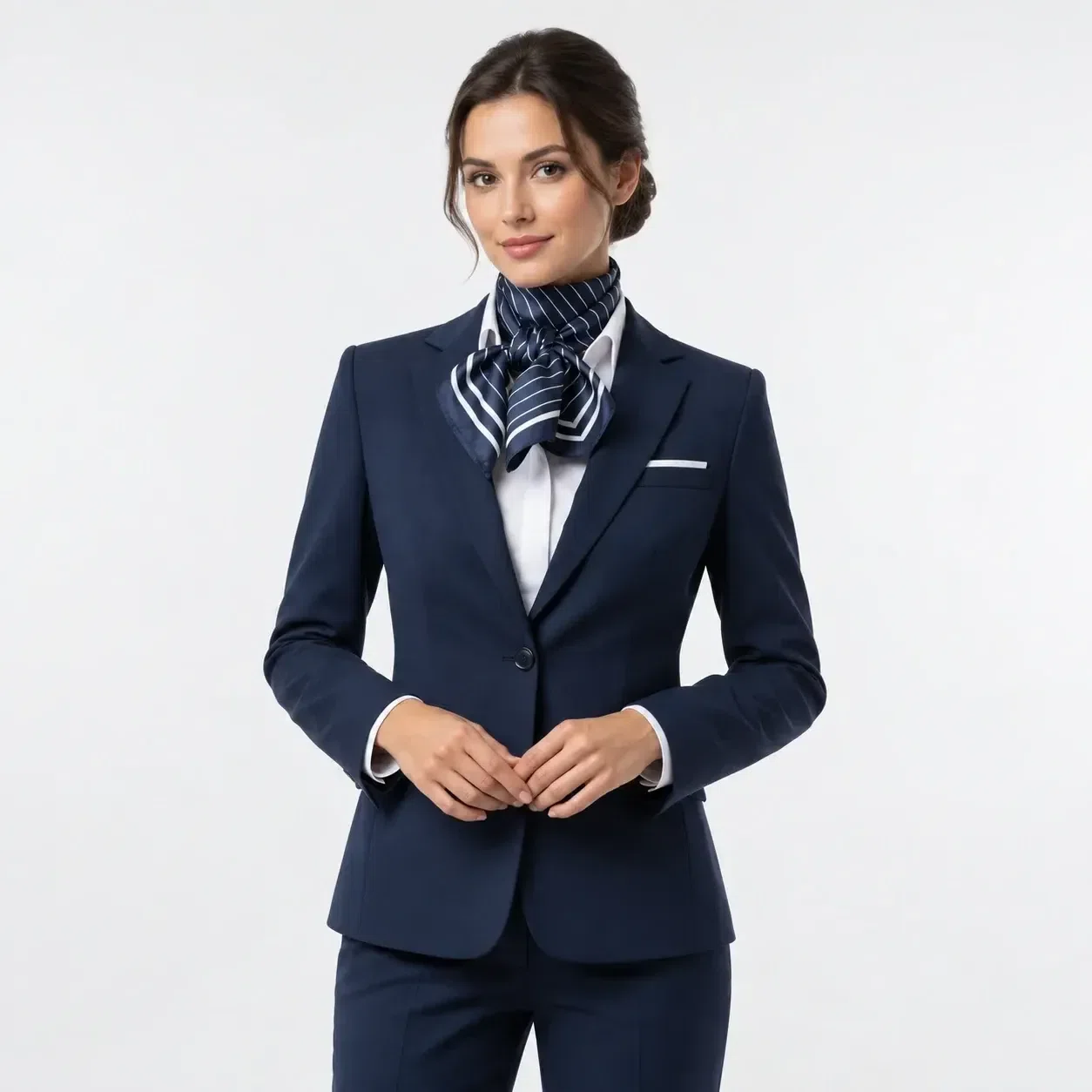
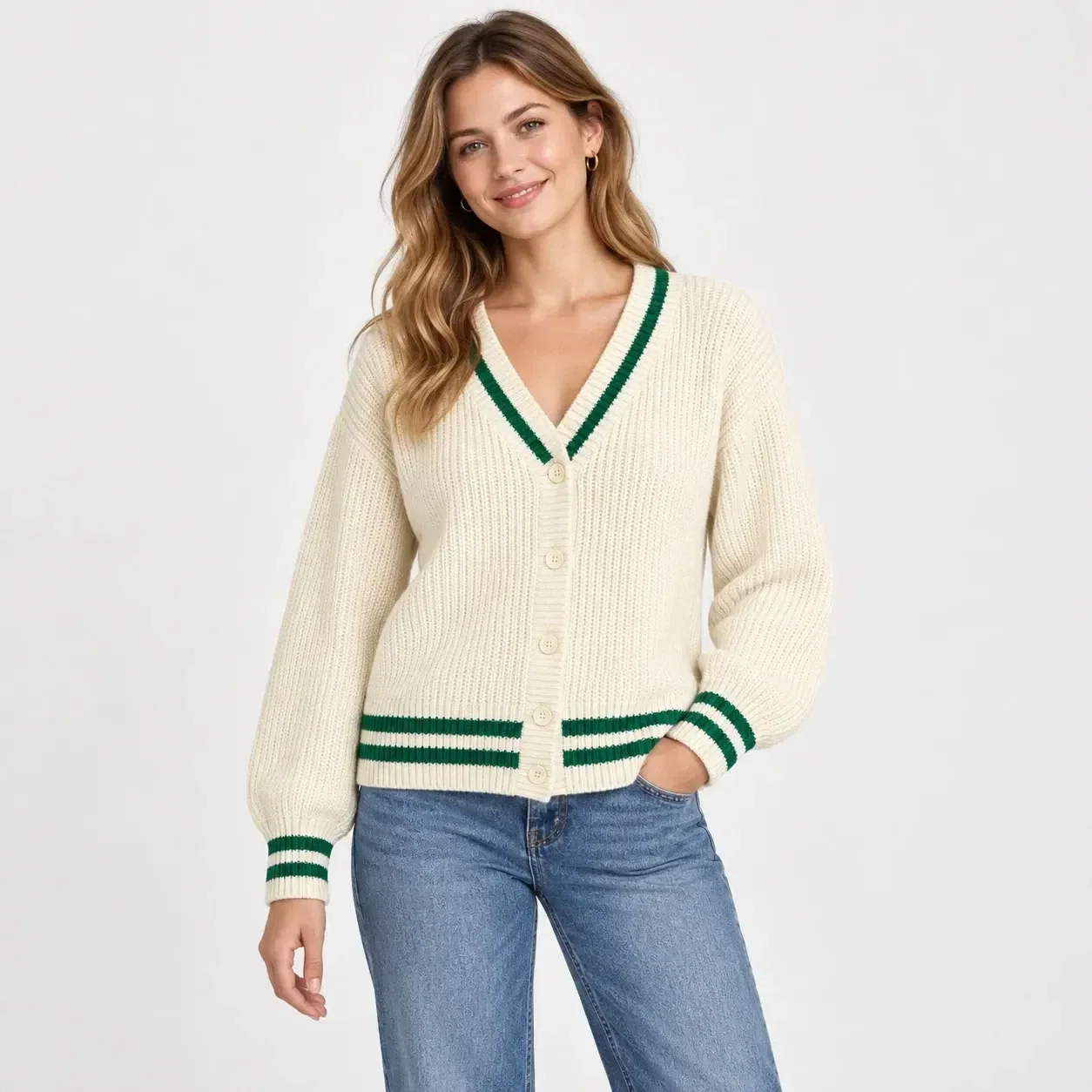
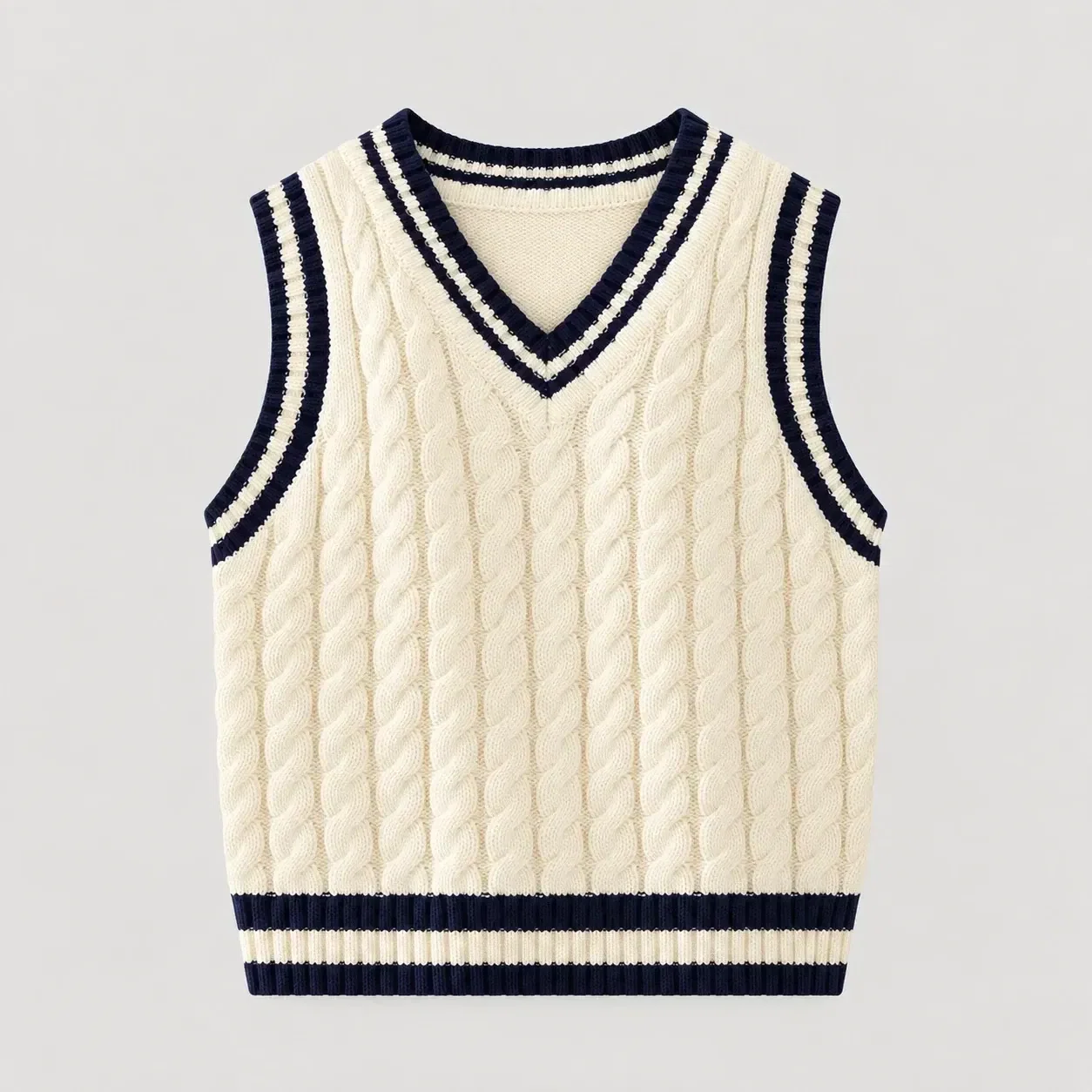
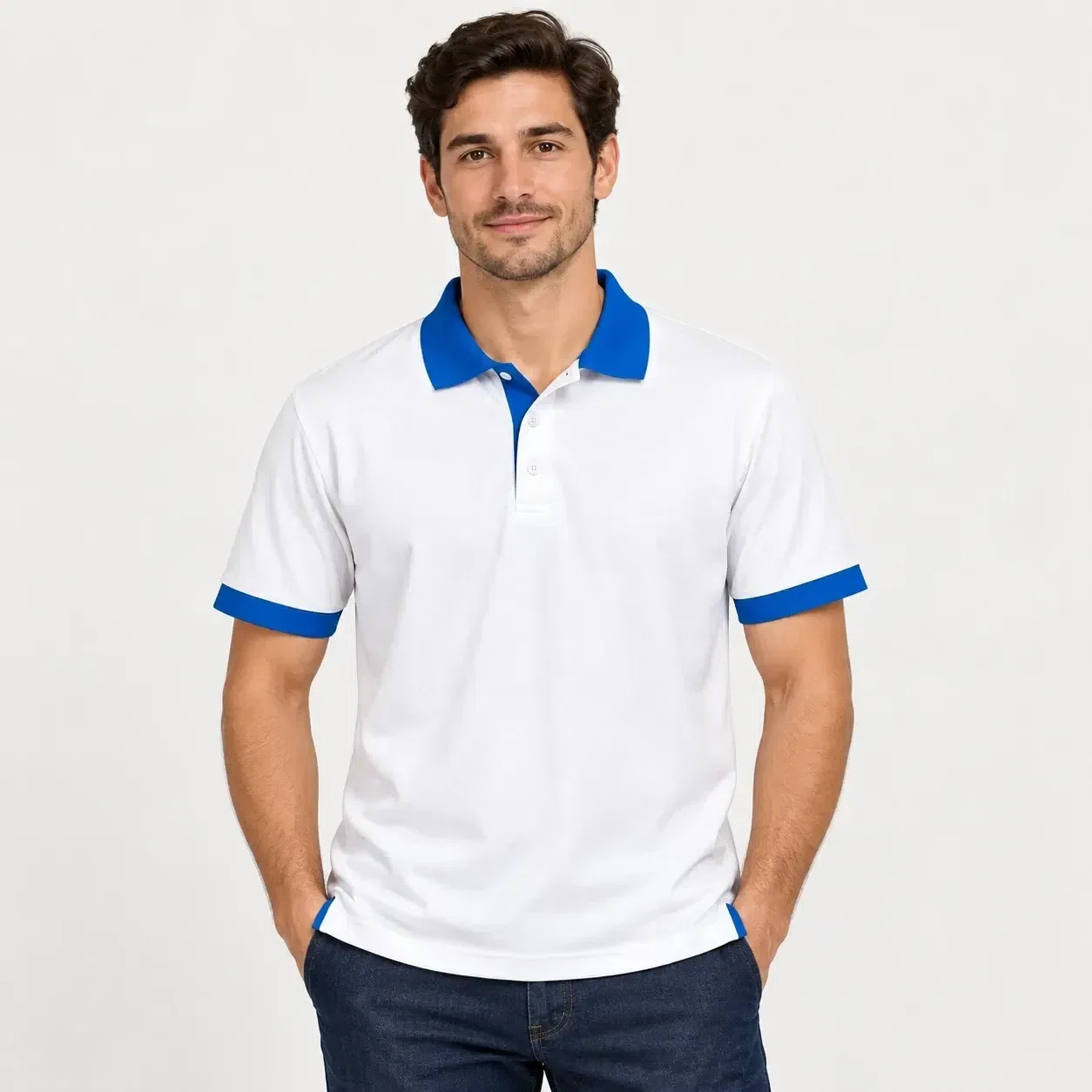
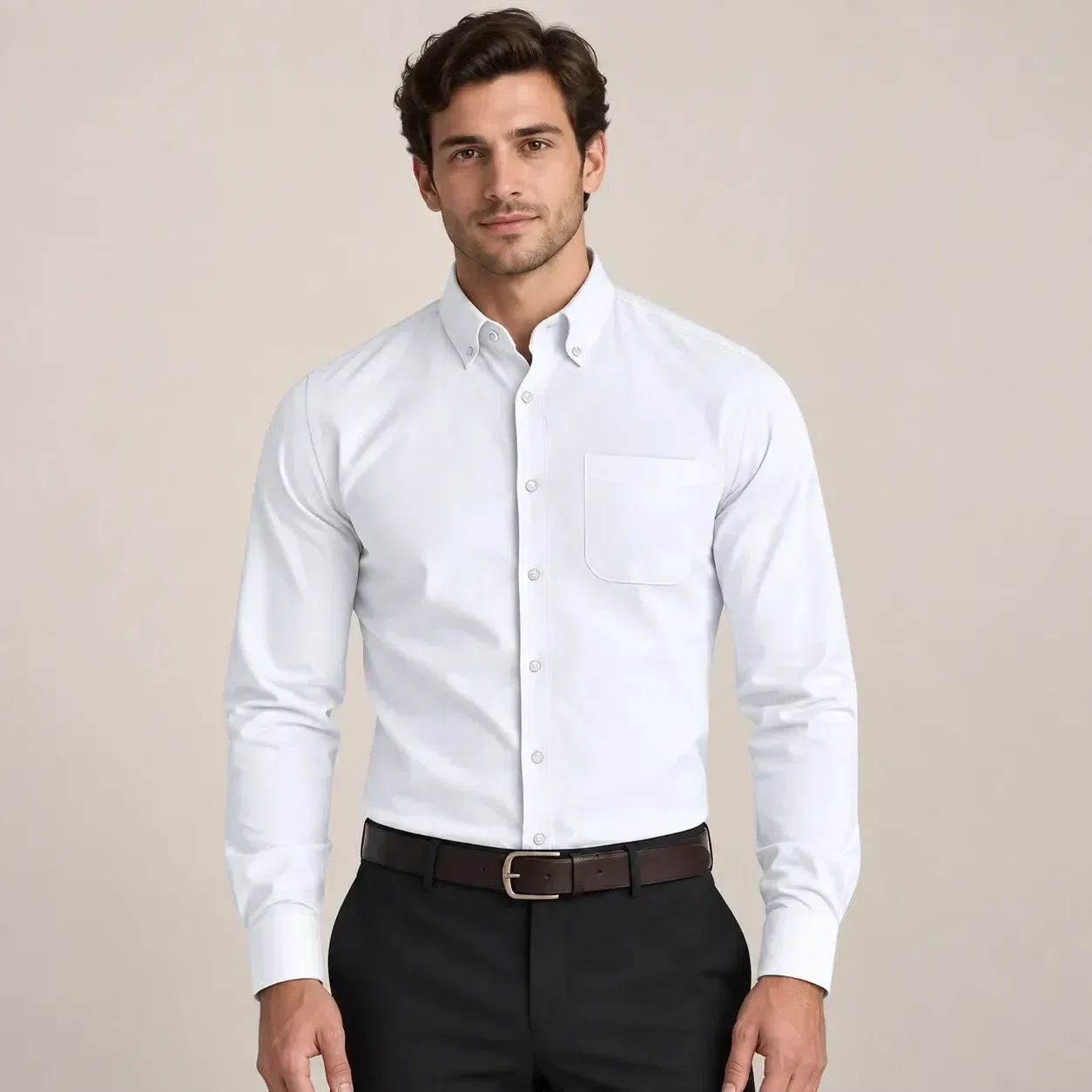
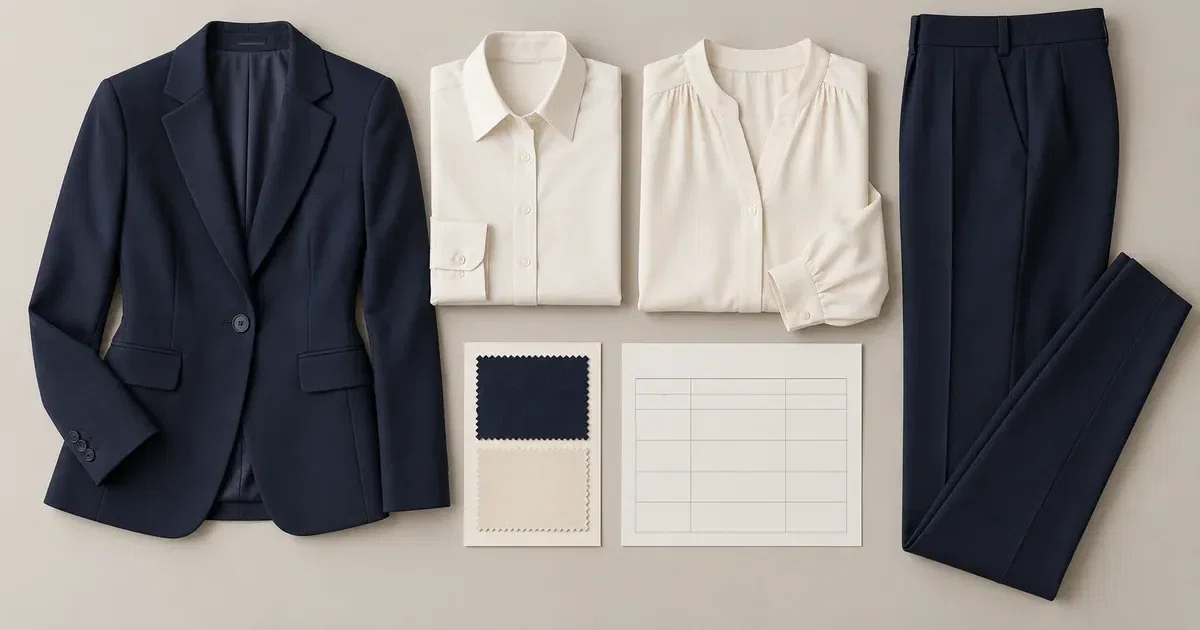
For a formal office, [button-down shirts](/button-down-shirt/) can be considered alongside a blouse and tailored trousers. A less formal department might consider a polo or knit layer if it fits your workplace policy. Decide which pieces are required and which are optional by role, rather than assuming every employee needs the same set.
Choose garments for different roles
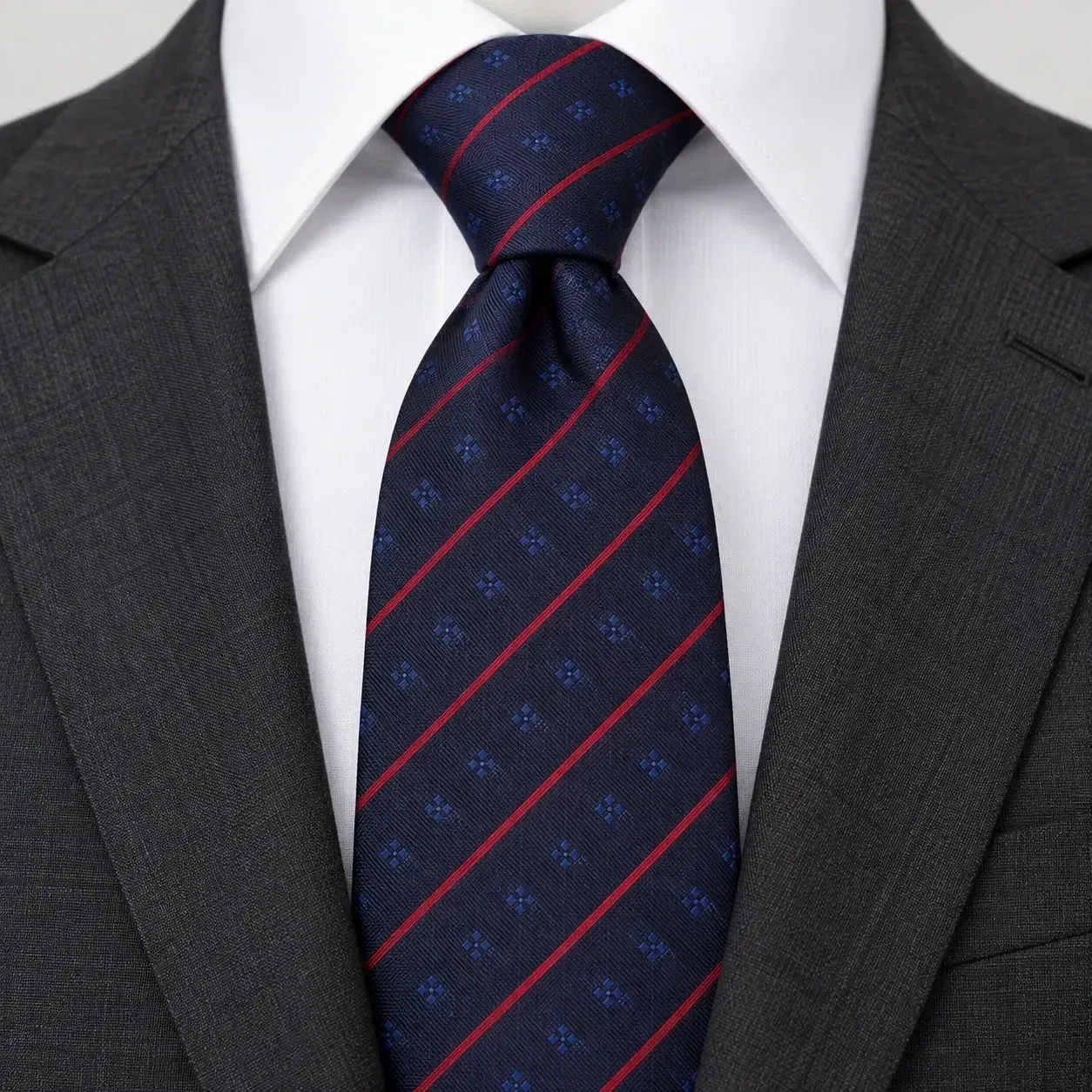
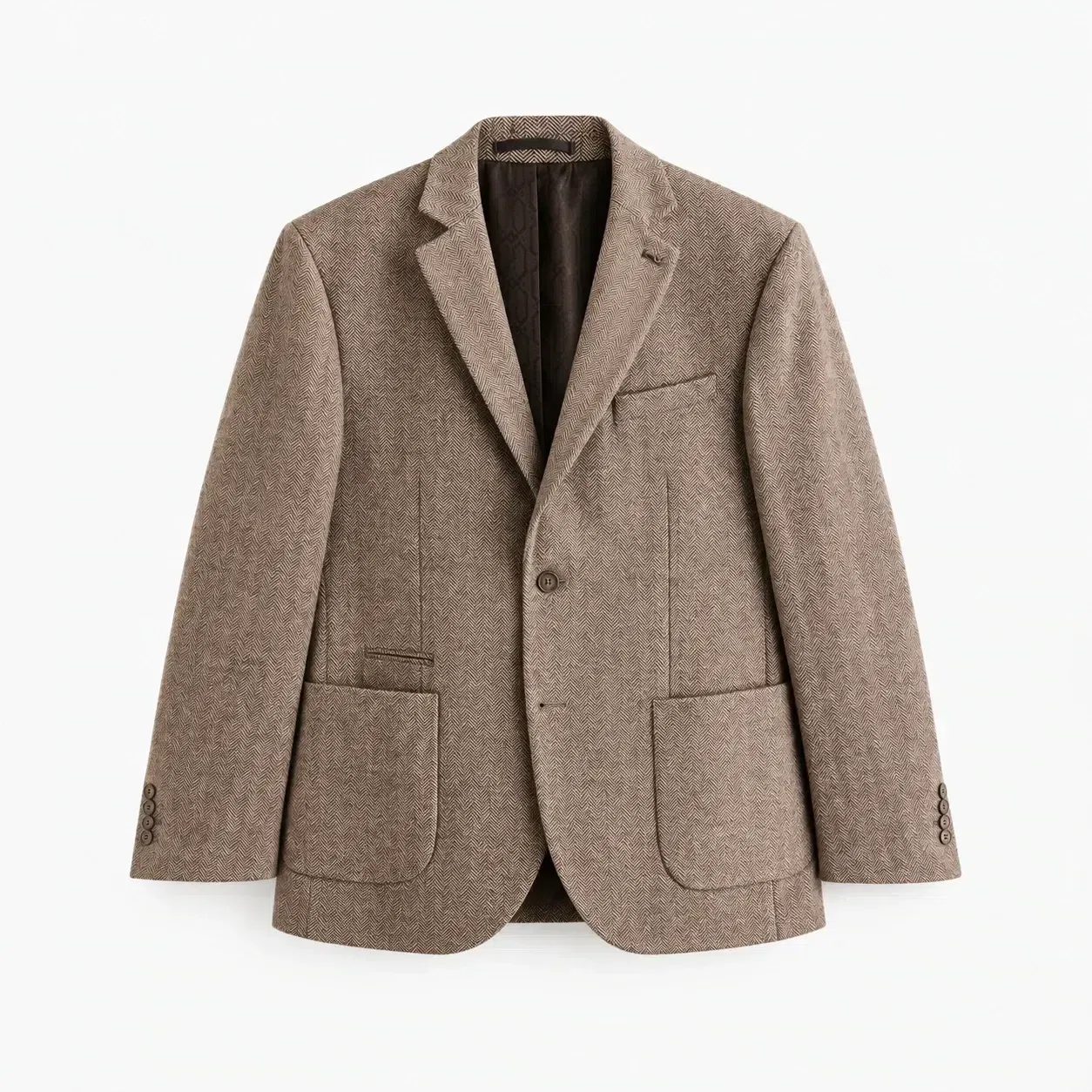
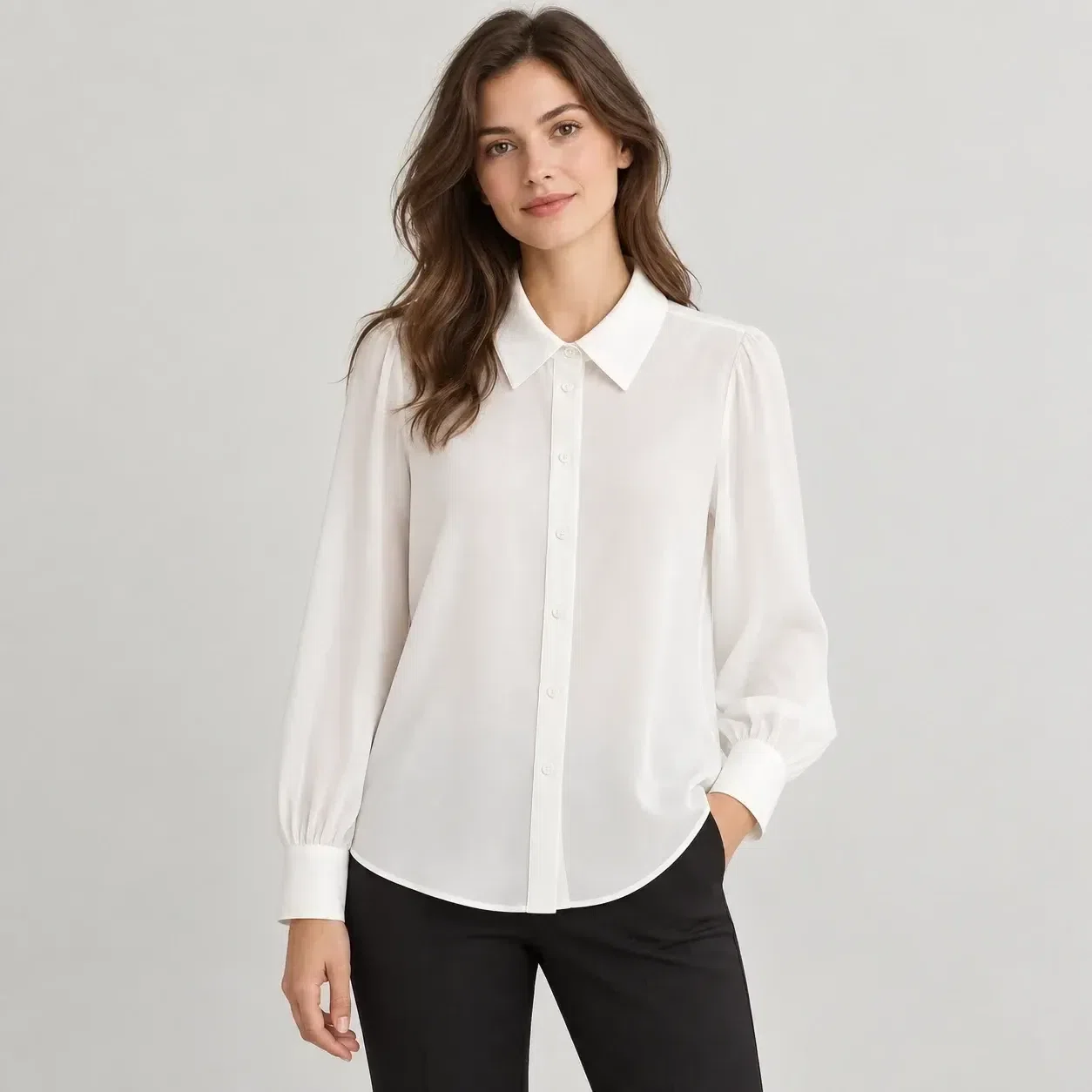
List each garment, its intended wearer and the level of formality. The catalogue includes [women’s blouse options](/custom-women-blouses/) and [corporate blazers](/custom-blazers/); use their product details to confirm what is offered before finalising a range. Record garment colours, preferred sleeve and length details, and how pieces should work together.
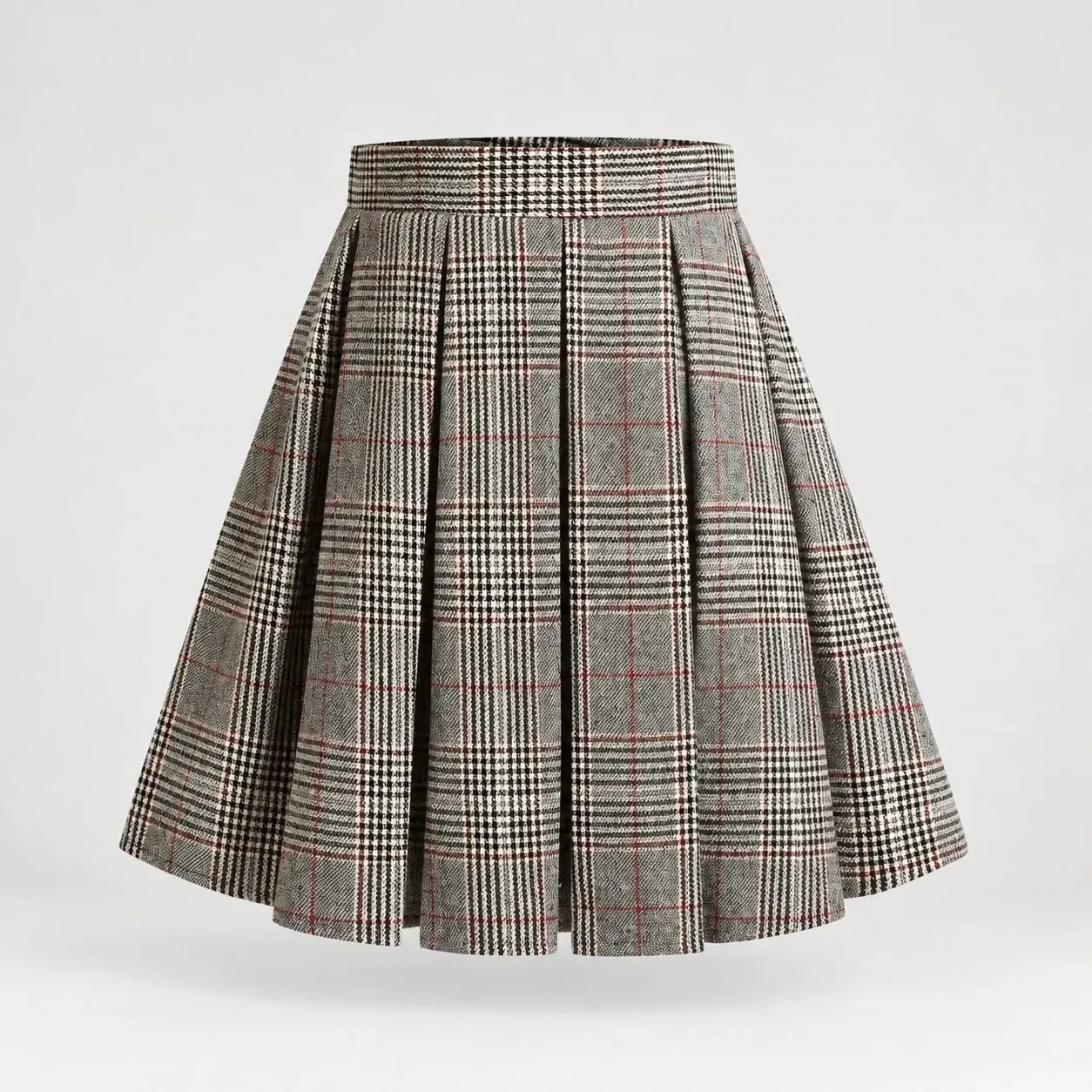
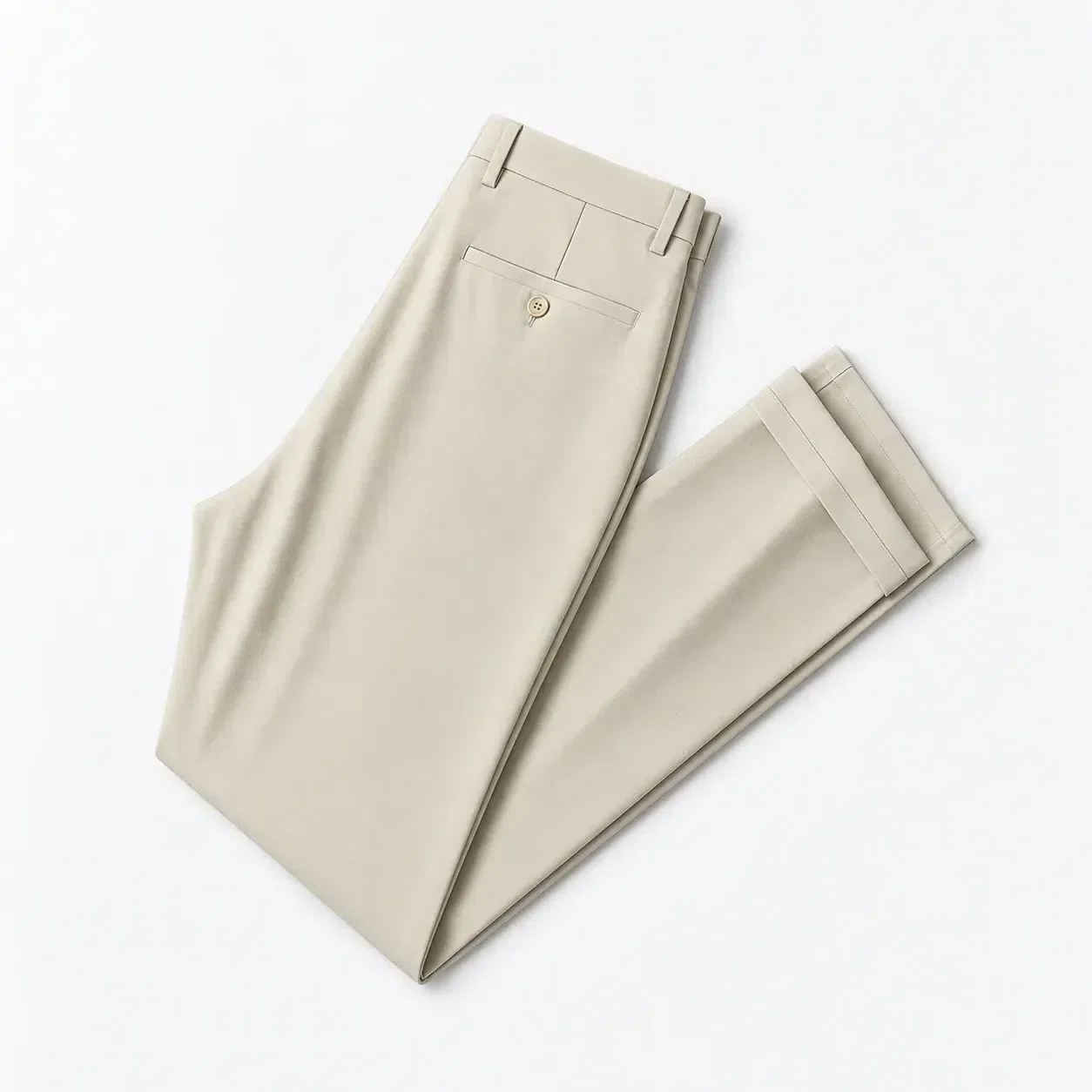
Specify the proposed cut and waist or length preferences for trousers. Check the current [dress slacks product details](/dress-pants-slacks/) against the role and your dress policy before adding them to the common garment list.
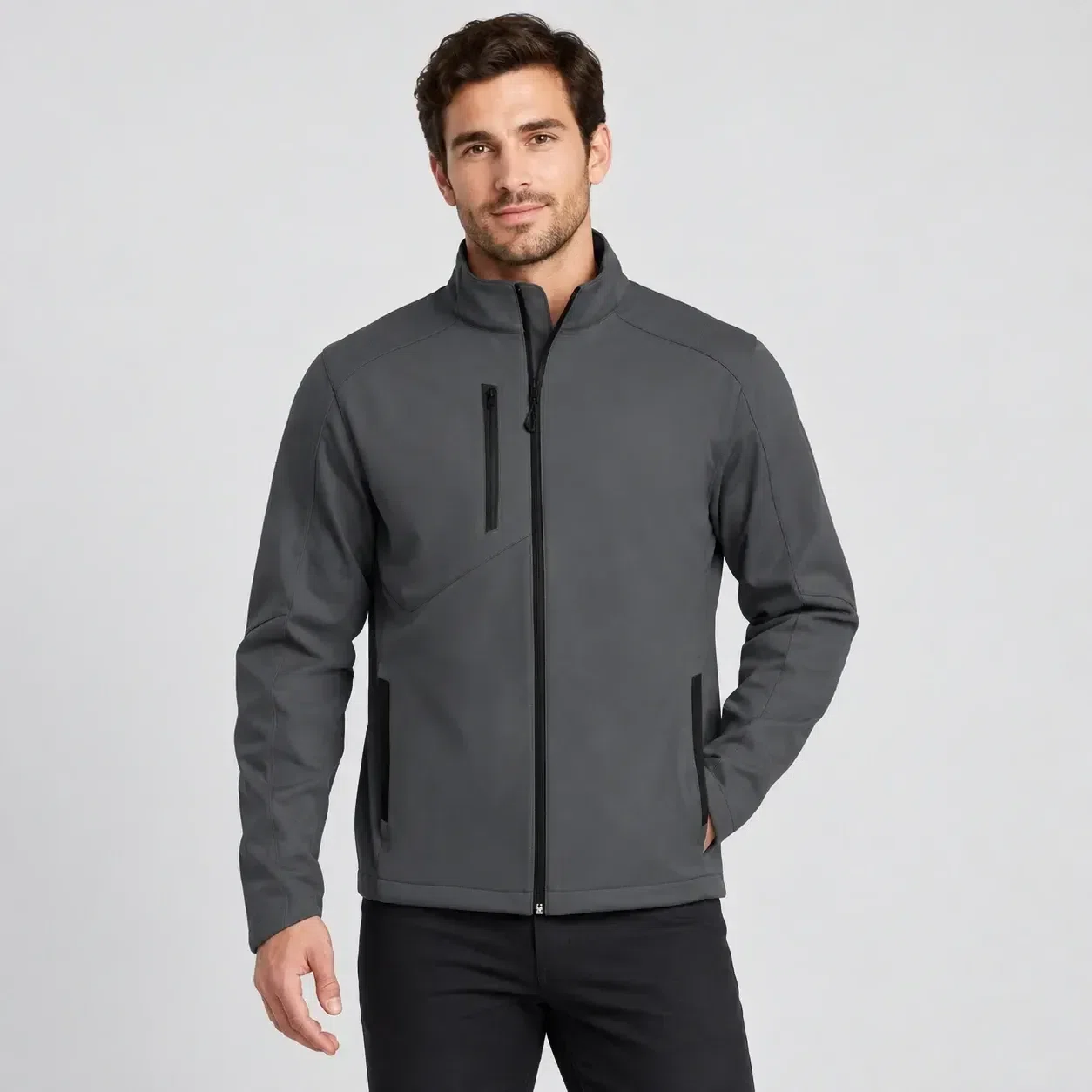
Consider the actual working day: desk work, walking between buildings, reception duties and client meetings can place different demands on an outfit. A removable layer may work better across changing indoor conditions than choosing every garment around one temperature. Compare samples for weight, opacity, texture and drape, and request the care information for the proposed fabric. Exact composition and care depend on the selected product specification.
Plan women’s and men’s fit together
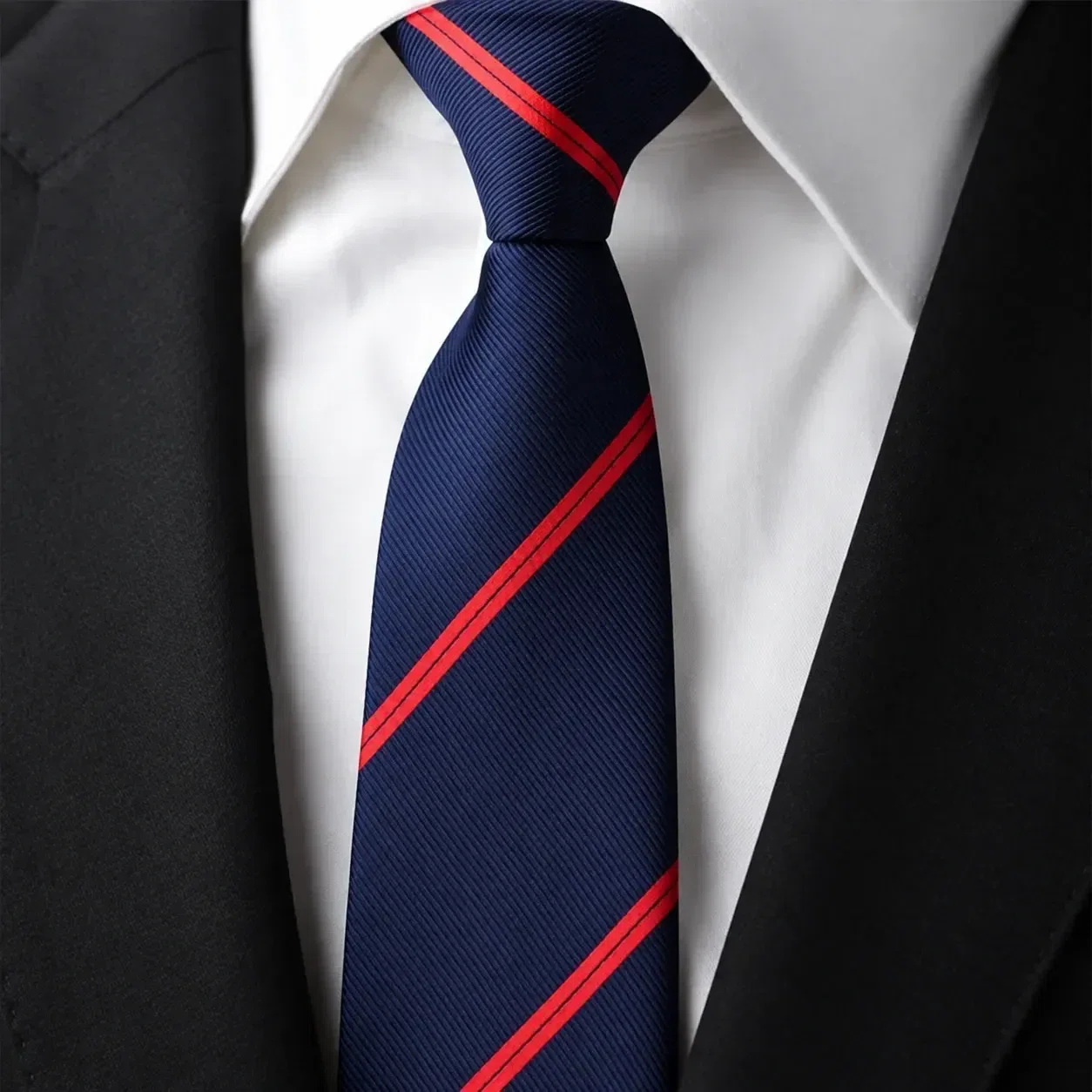
Coordinated uniforms do not require identical cuts. For women’s office clothing, record blouse shape, sleeve length, trouser rise and any alternative garment choices allowed by your policy. For men’s clothing, consider collar fit, shirt length and trouser measurements. These are points to specify and review, not a promise that every cut is available in every style.
Use the size chart for each garment rather than relying only on familiar retail labels. Tops and trousers may need separate size counts for the same person. Invite representative staff to assess fit, coverage and movement, including how a jacket sits over the intended shirt or blouse. Write down adjustments and approval decisions before confirming quantities.
Keep branding clear and repeatable
Choose the approved brand colours and decide how visible the logo should be on each garment. Supply authorised artwork, placement and intended size. StitchBase Uniform offers embroidery, screen printing, heat transfer, sublimation and woven labels; the suitable method depends on the garment and design. Review a mockup before production, including contrast and legibility at the intended size. The [corporate logo embroidery details](/custom-corporate-logo-embroidery/) can help you prepare decoration requirements.
Keep the approved artwork version, colour references and placement instructions with the garment list. If your organisation changes its identity or role structure, update the record before requesting replacements. A dedicated production manager coordinates sampling, revisions, timelines and delivery, while minimum order and estimated turnaround are confirmed in the quotation.
Coordinate orders across UK locations
For offices in different parts of the UK, keep one approved garment list and add a quantity breakdown for each site. Include the full delivery address and postcode for every destination. If the order includes Northern Ireland as well as Great Britain, list those addresses separately and ask for the proposed delivery and tax arrangements for each route instead of assuming one schedule or charge covers all locations.
The owner’s current UK estimate is about one to two weeks, but the carrier, shipping method and point when that estimate starts are not confirmed here. Treat it as a planning estimate only and ask for the order-specific timing. Both seller-paid and buyer-paid duty and tax arrangements are available; the quotation should state which party is responsible. Review the [shipping information](/shipping/) and confirm the selected terms before approval.
Send a complete uniform enquiry
Include employee roles, garment styles, quantities by size, approved colours and artwork, sample needs, delivery addresses, requested date and any packing instructions. Ask for garment, sample, branding and transport charges to be identified in the quote. Keep the approved specification for future starters and replacement orders, then confirm current availability and minimums when you reorder.
Share your UK office uniform requirements through the [uniform quote form](/request-a-quote/) to discuss suitable options and the information needed for a quotation.