
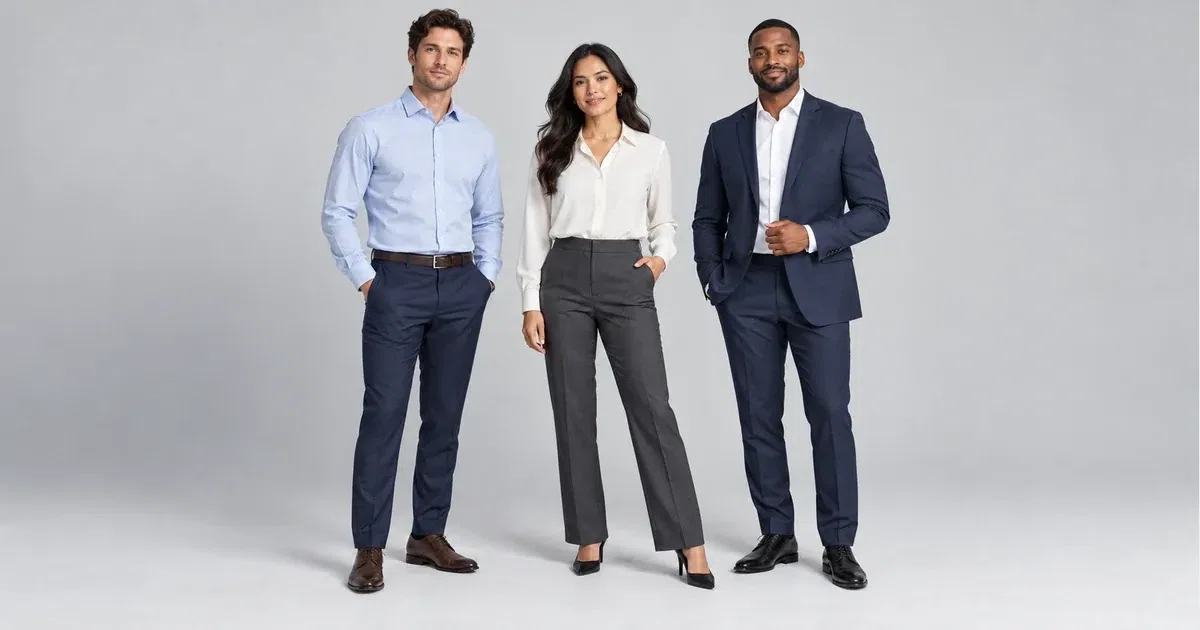
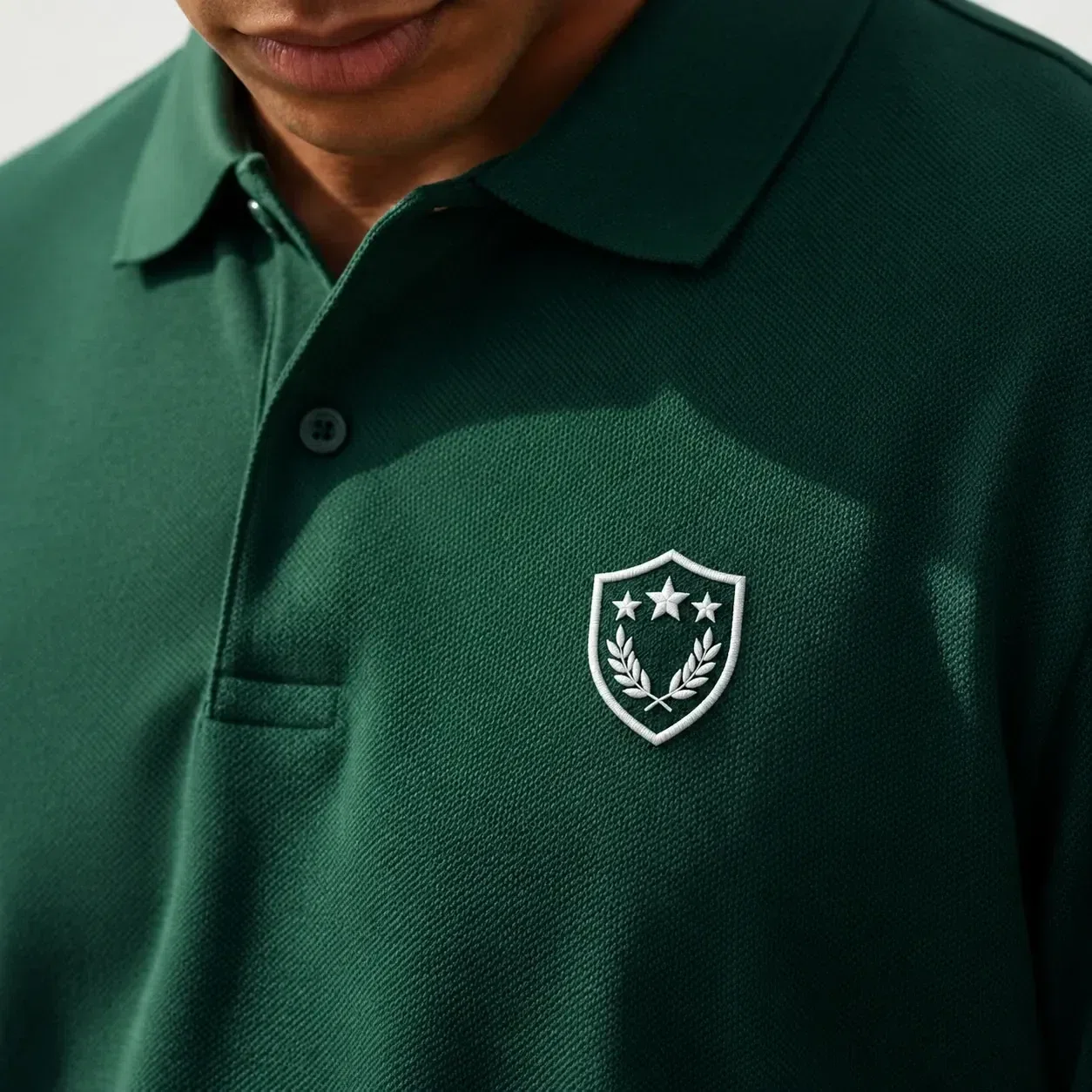
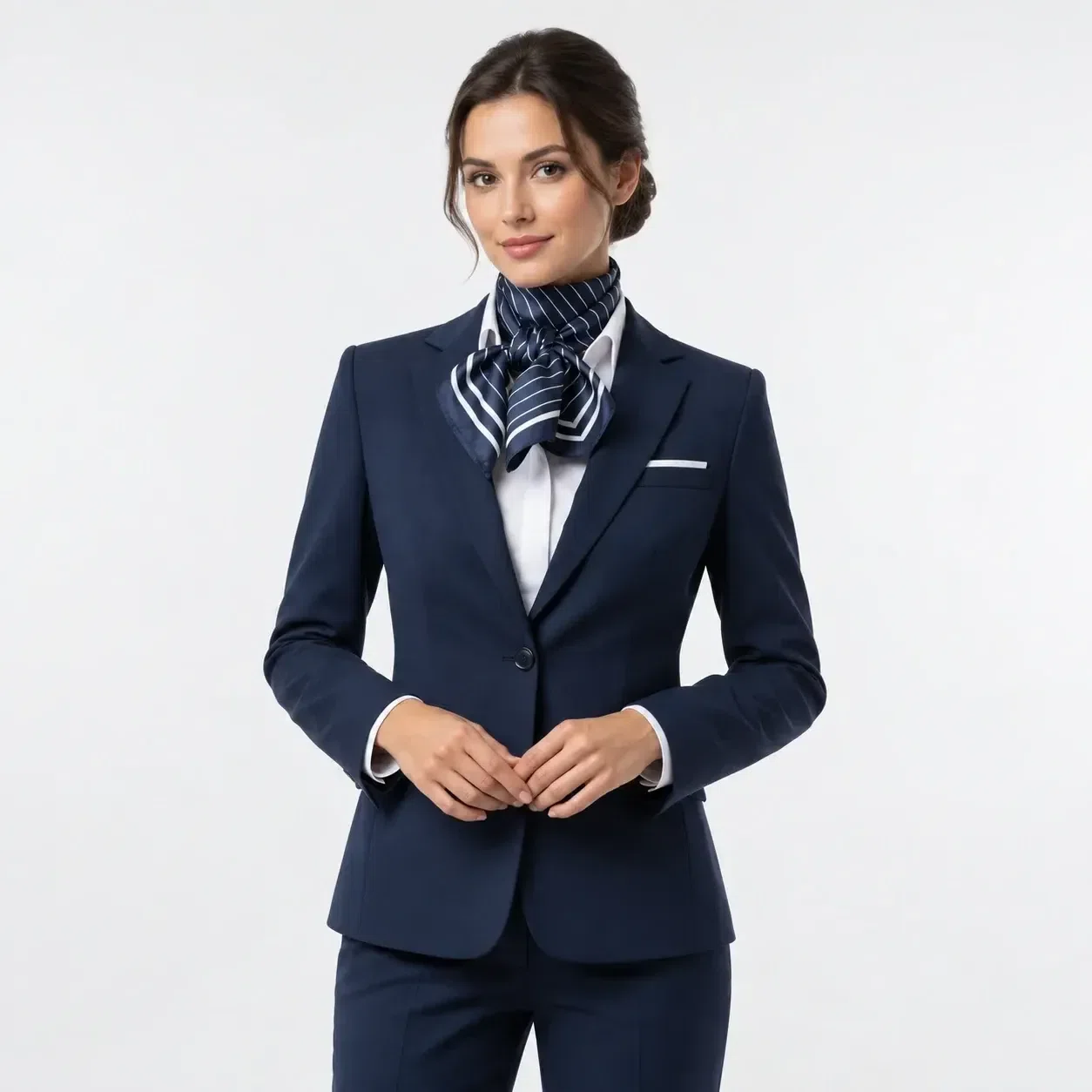
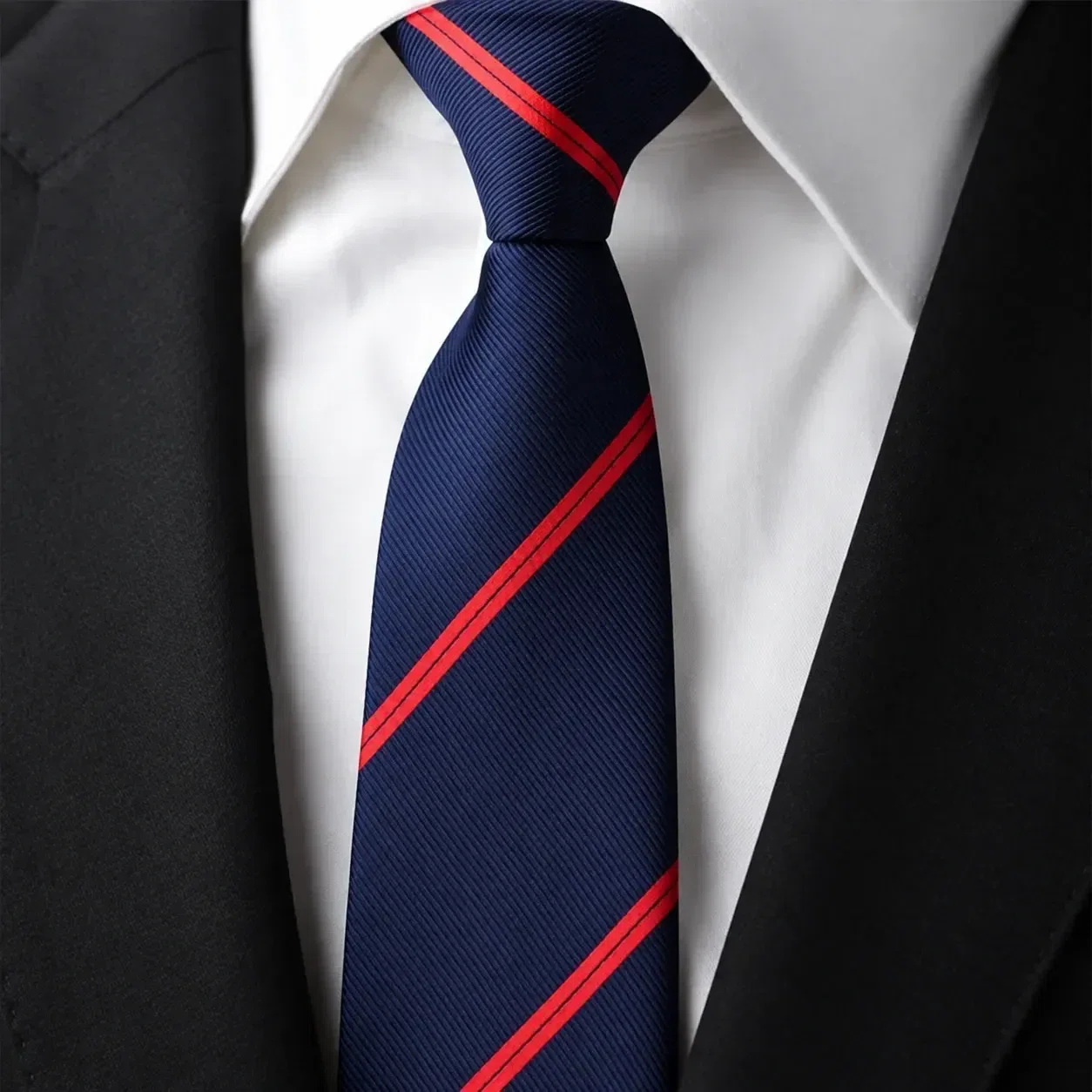
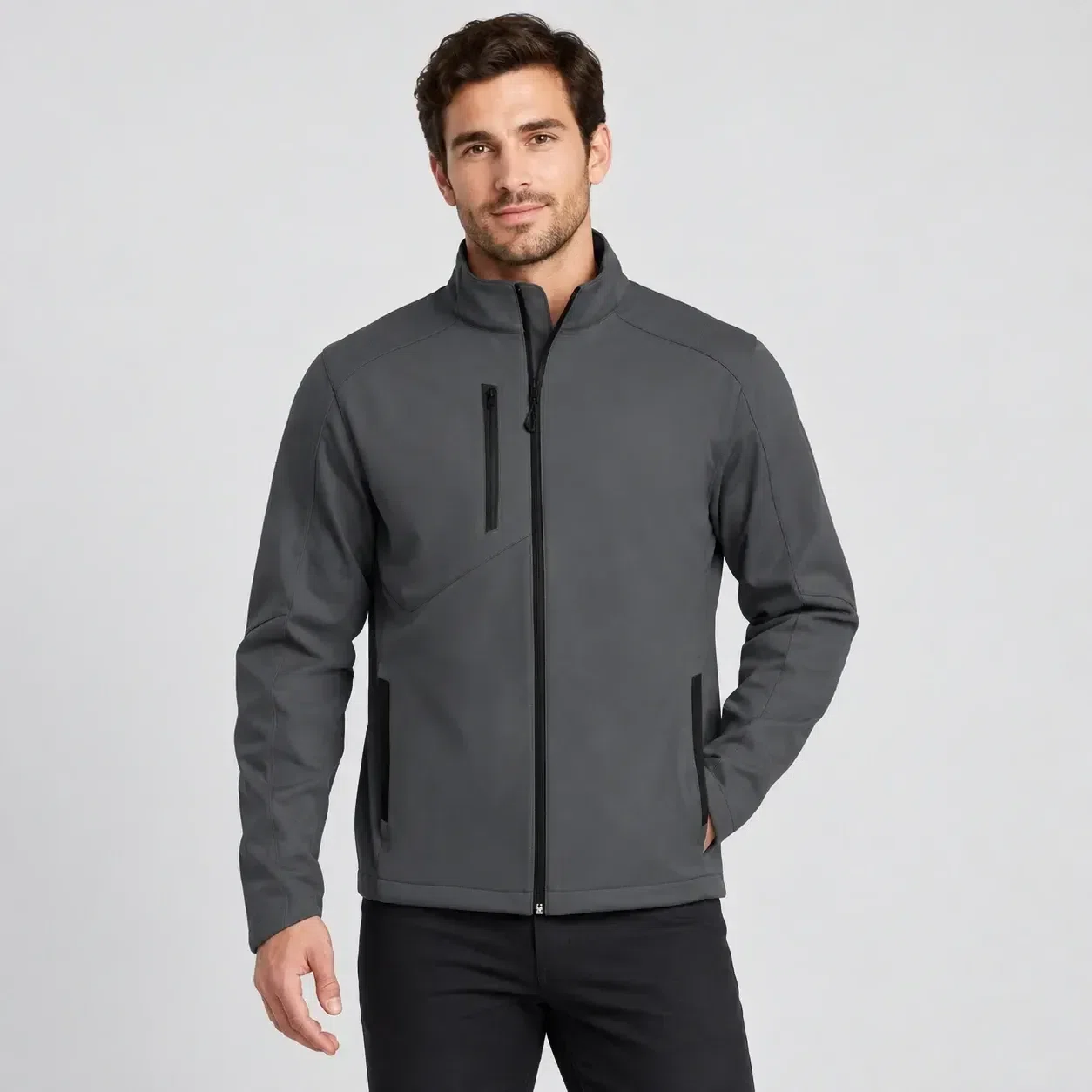
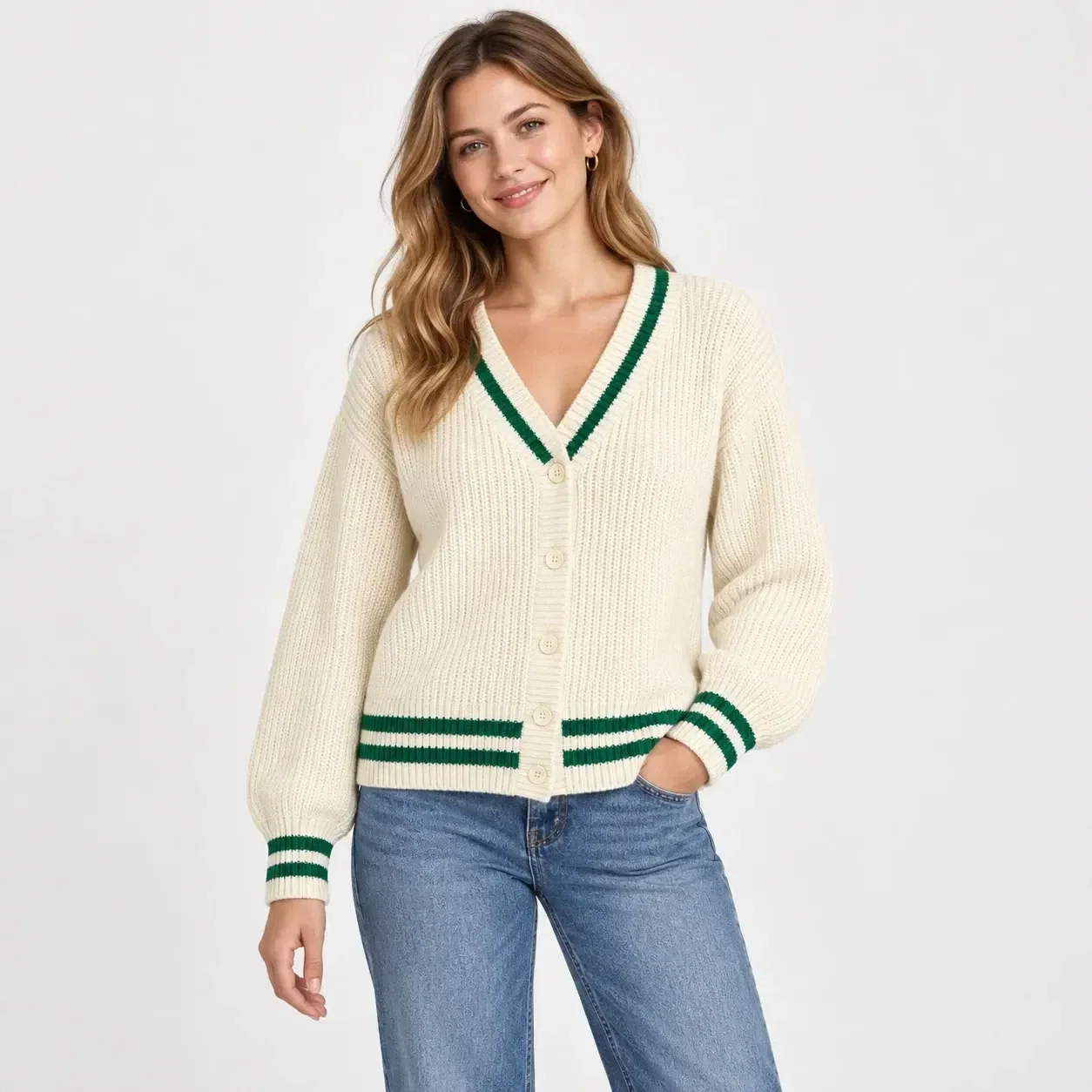
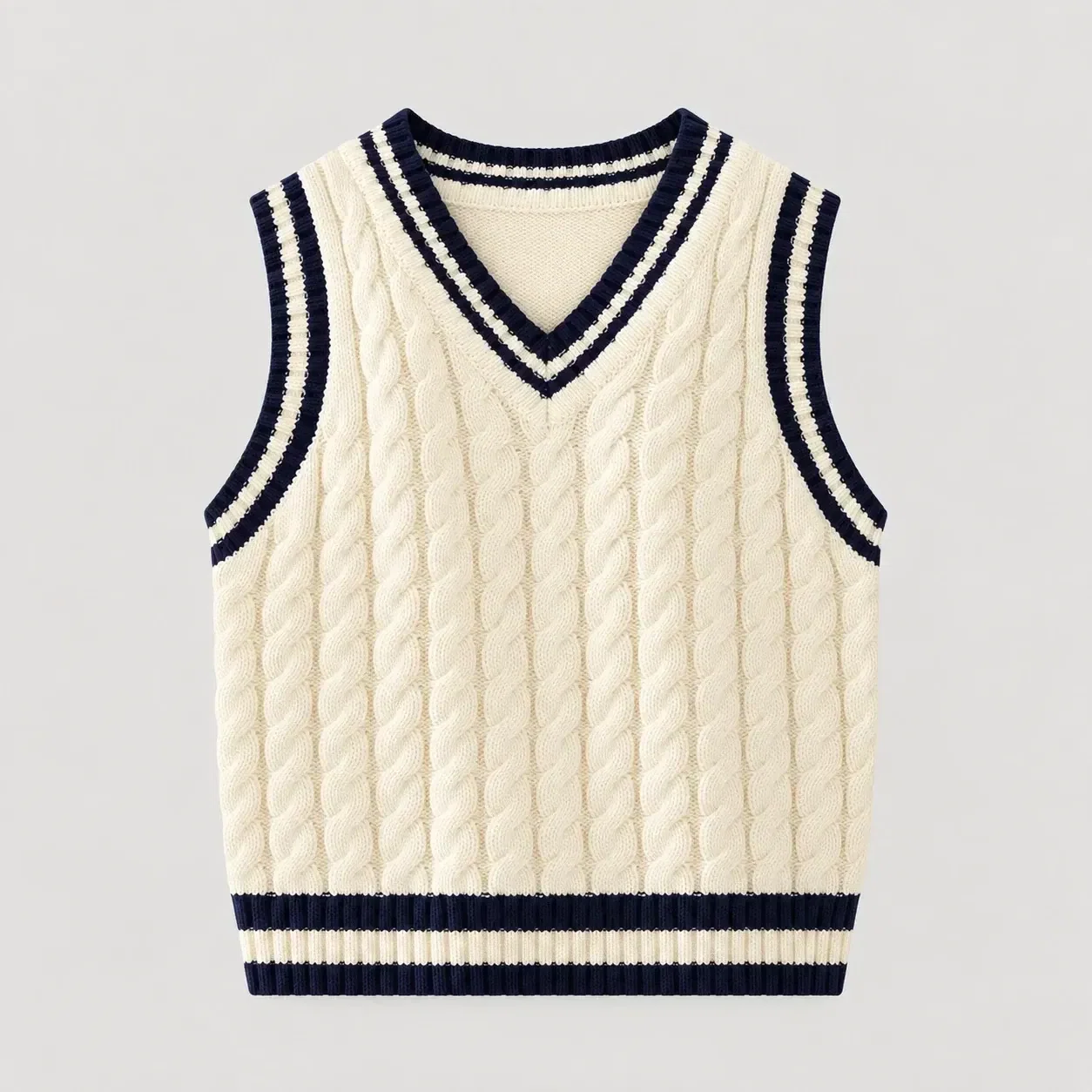
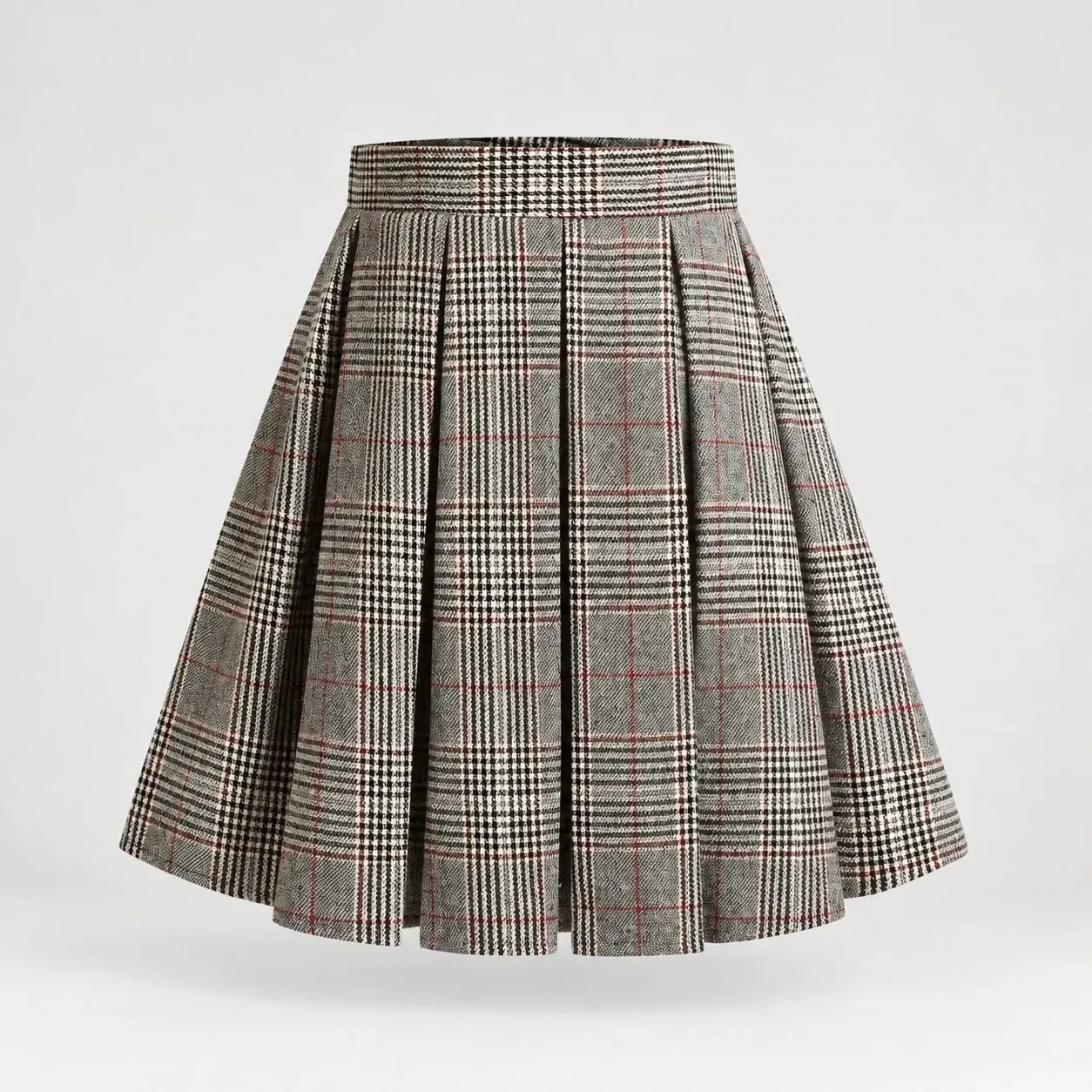
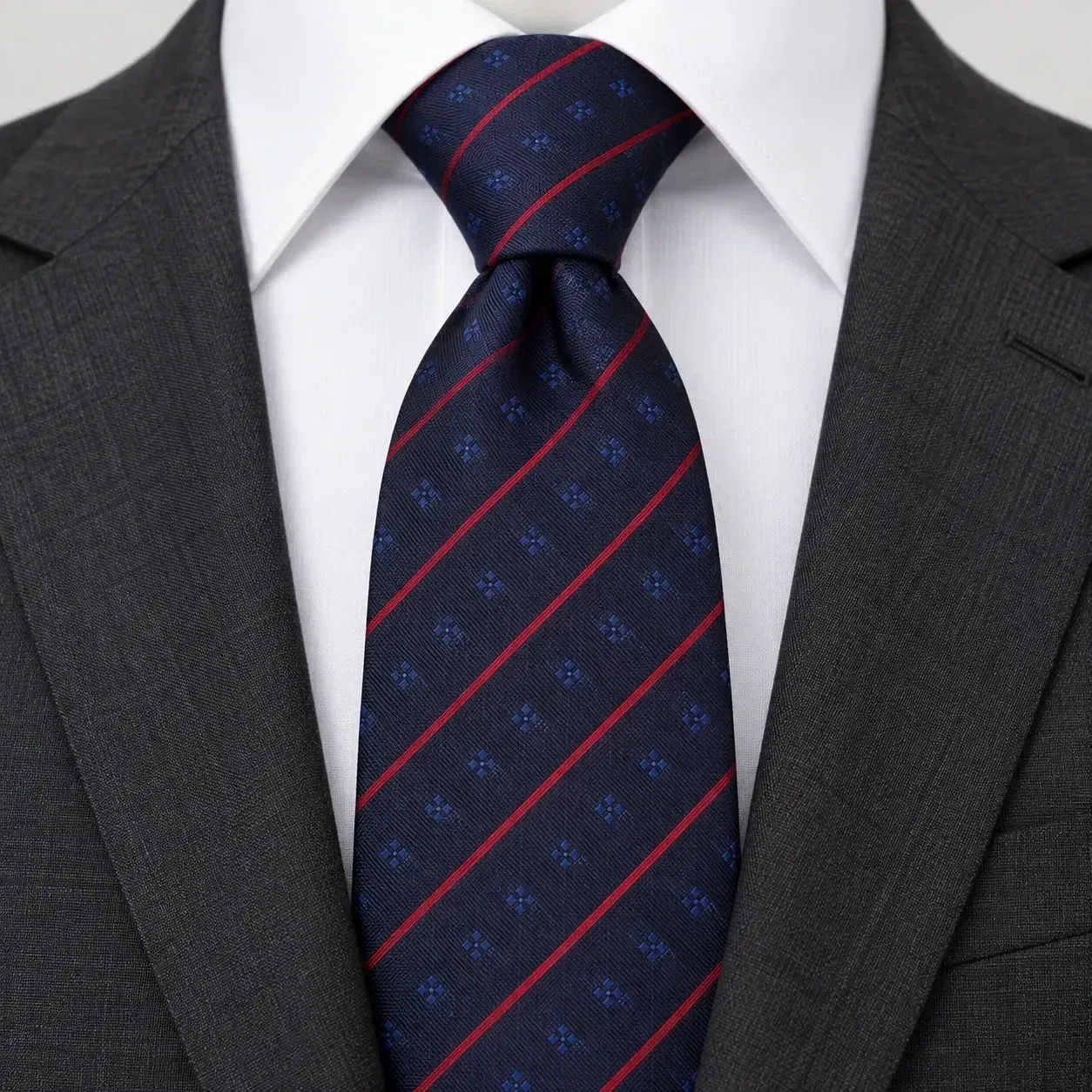
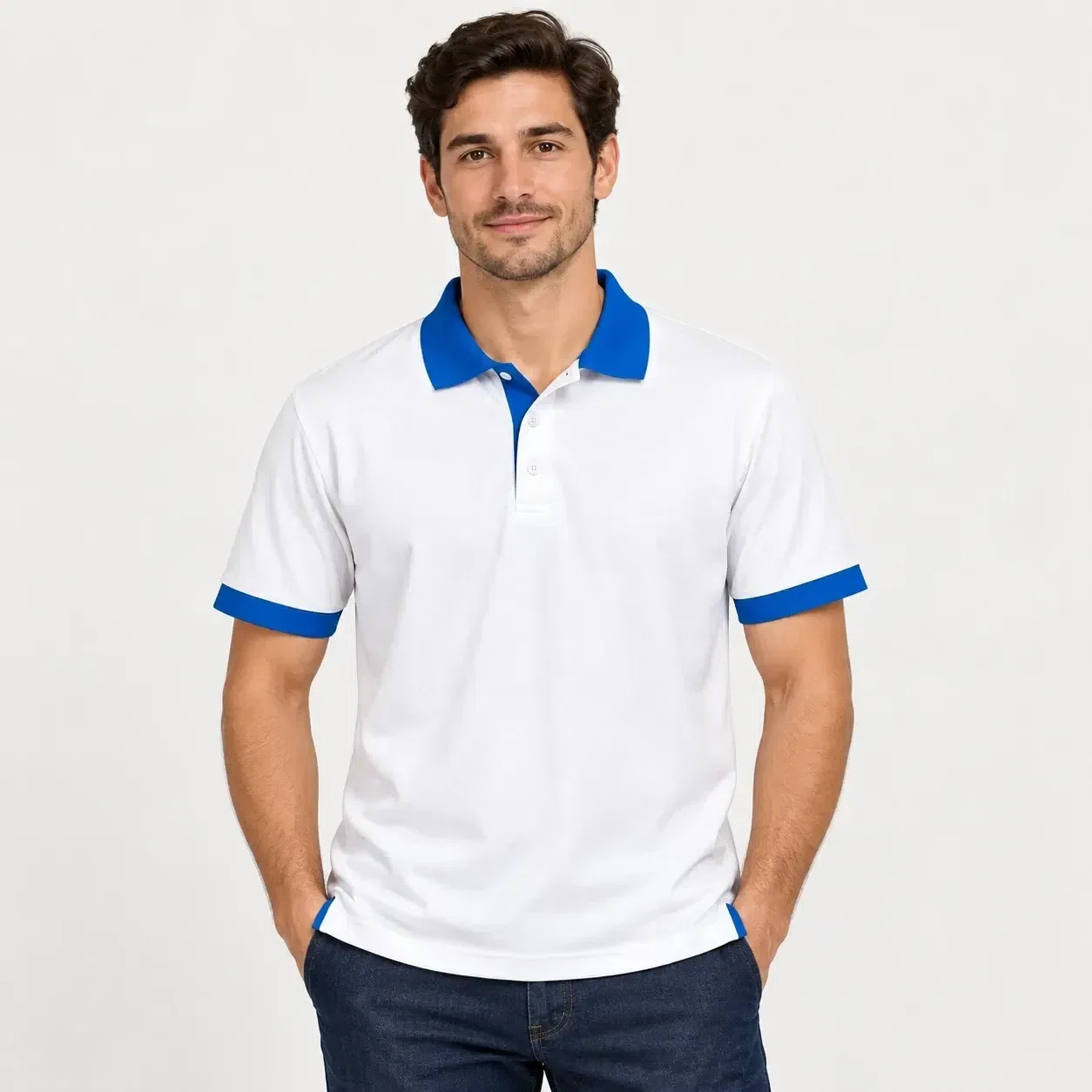
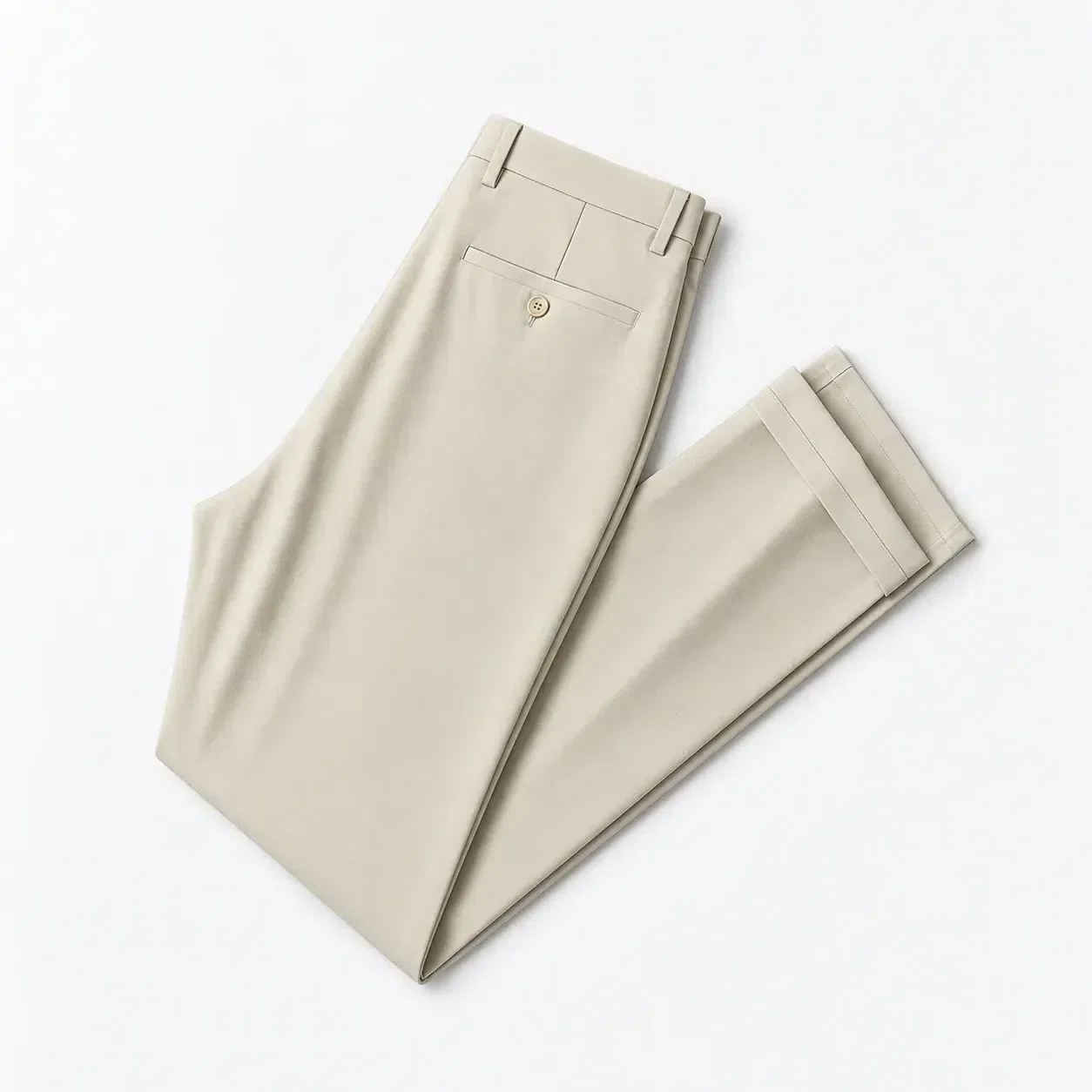
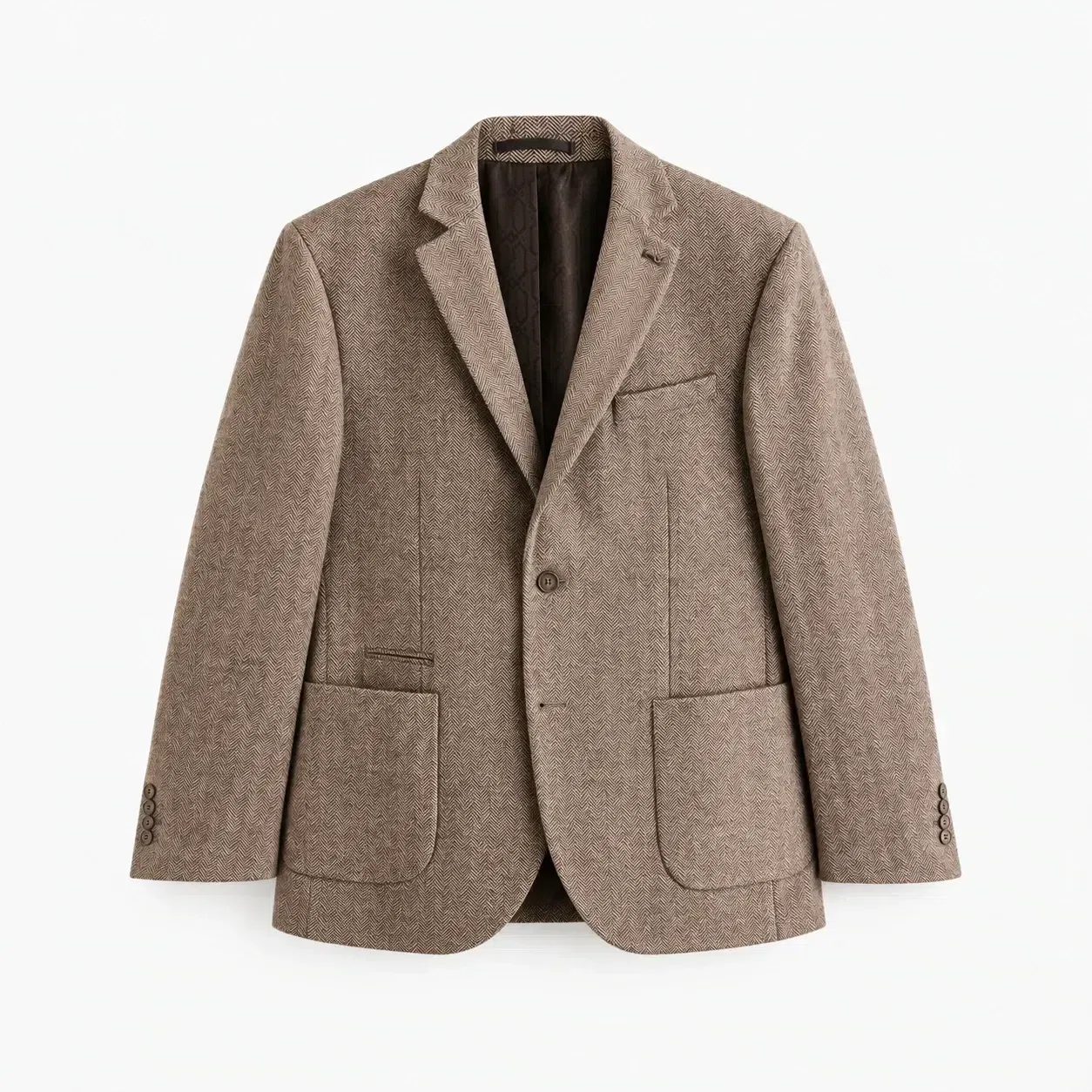



Corporate uniform design in the USA starts with one clear office uniform brief. StitchBase Uniform welcomes inquiries covering women’s and men’s fits, coordinated clothing, company colors and logo details. For a single office or a business with multiple US locations, start with the garments your staff need and the specifications that will guide samples, quantities and future orders.
Corporate Uniform Design in the USA: Plan Around Your Team
A corporate uniform program connects daily clothing choices with your company’s visual identity. It gives employees a clear reference for what to wear and helps buyers define an approved wardrobe for reception, administration, sales and management. Different roles can use different garments while maintaining a coordinated appearance.
For a business in the United States, the brief should account for office dress standards, employee fit needs and the locations involved in the order. Begin with practical requirements, then agree how the clothing should look, be branded and enter service.
Choose Office Garments by Role and Dress Code
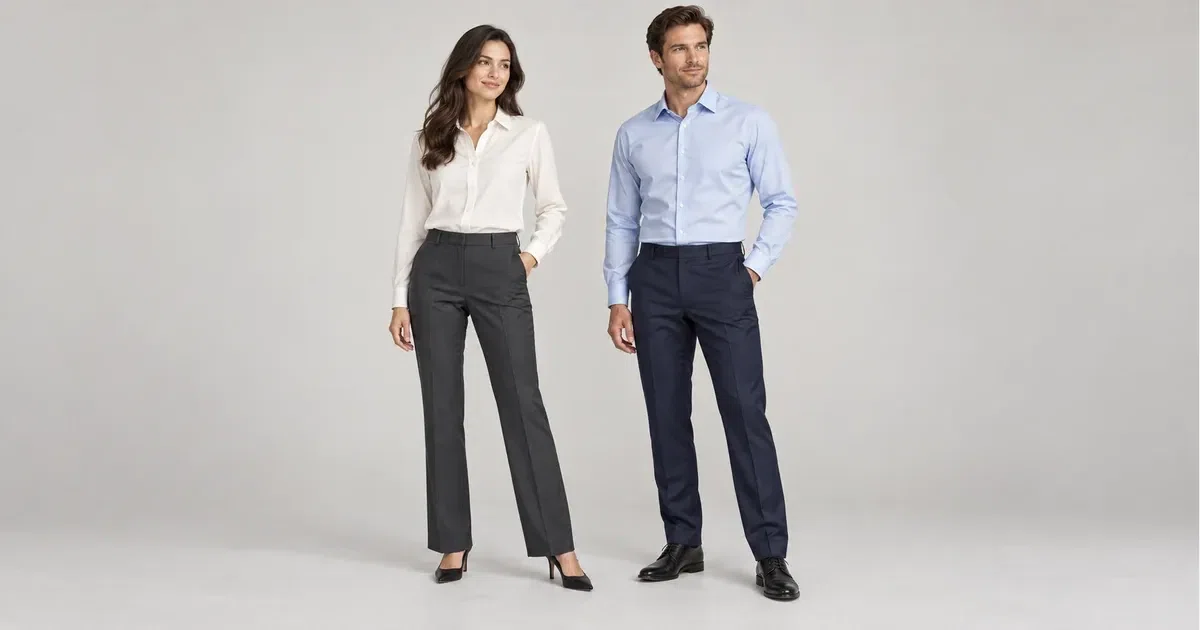
Define the level of formality before selecting individual pieces. A client-facing team may need shirts, blouses and dress pants, while another department may permit business-casual combinations. Decide which items are required every day and which are reserved for meetings or events.
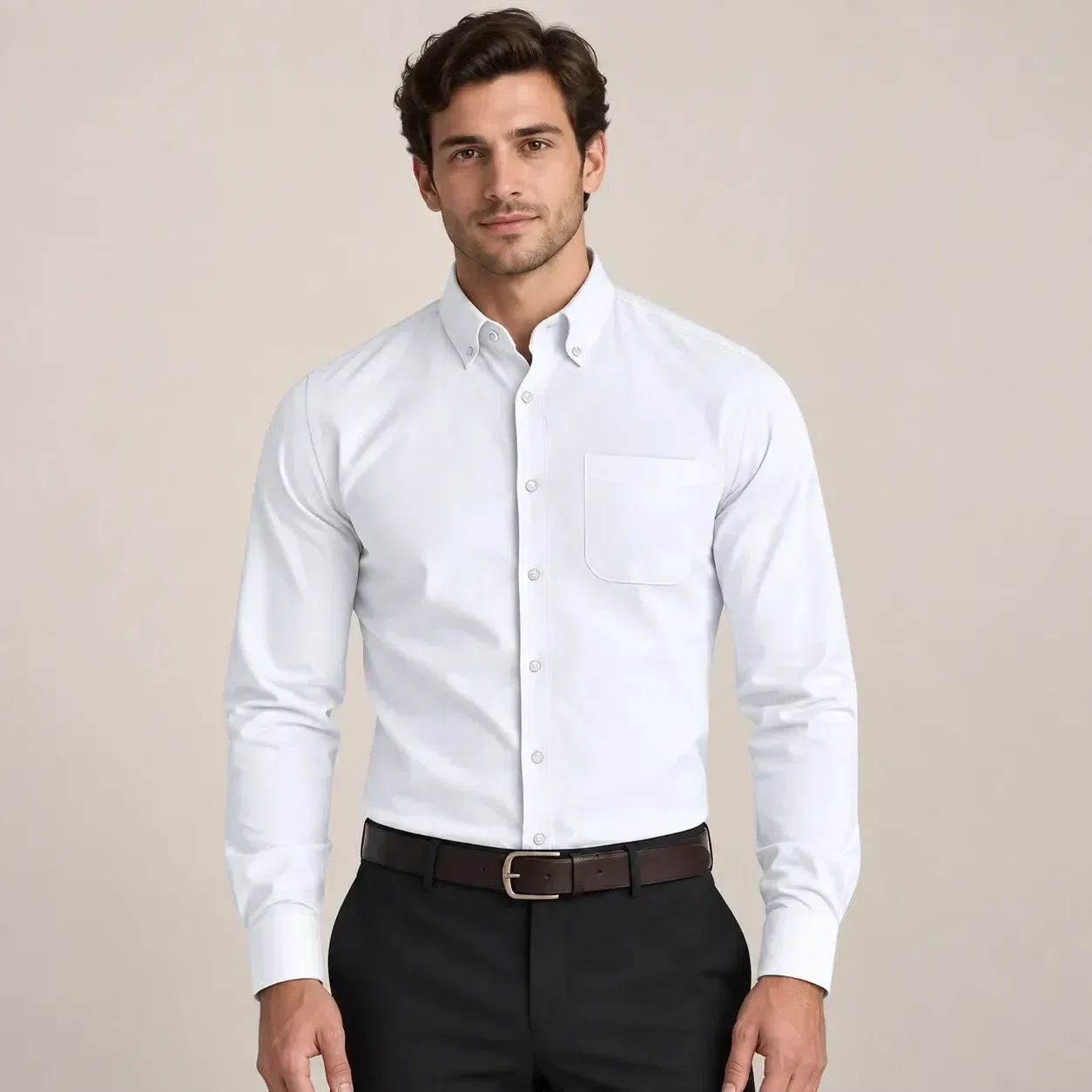
Include button-down shirts in your garment comparison when a collared office style fits the brief. Specify sleeve length, collar shape and whether the shirt will be tucked in. These details help distinguish the desired style from a general request for company shirts.
Keep the initial wardrobe focused. A limited selection of complementary colors and approved combinations can make staff allocation and later purchasing easier to manage.
Develop Corporate Uniform Designs for Women and Men
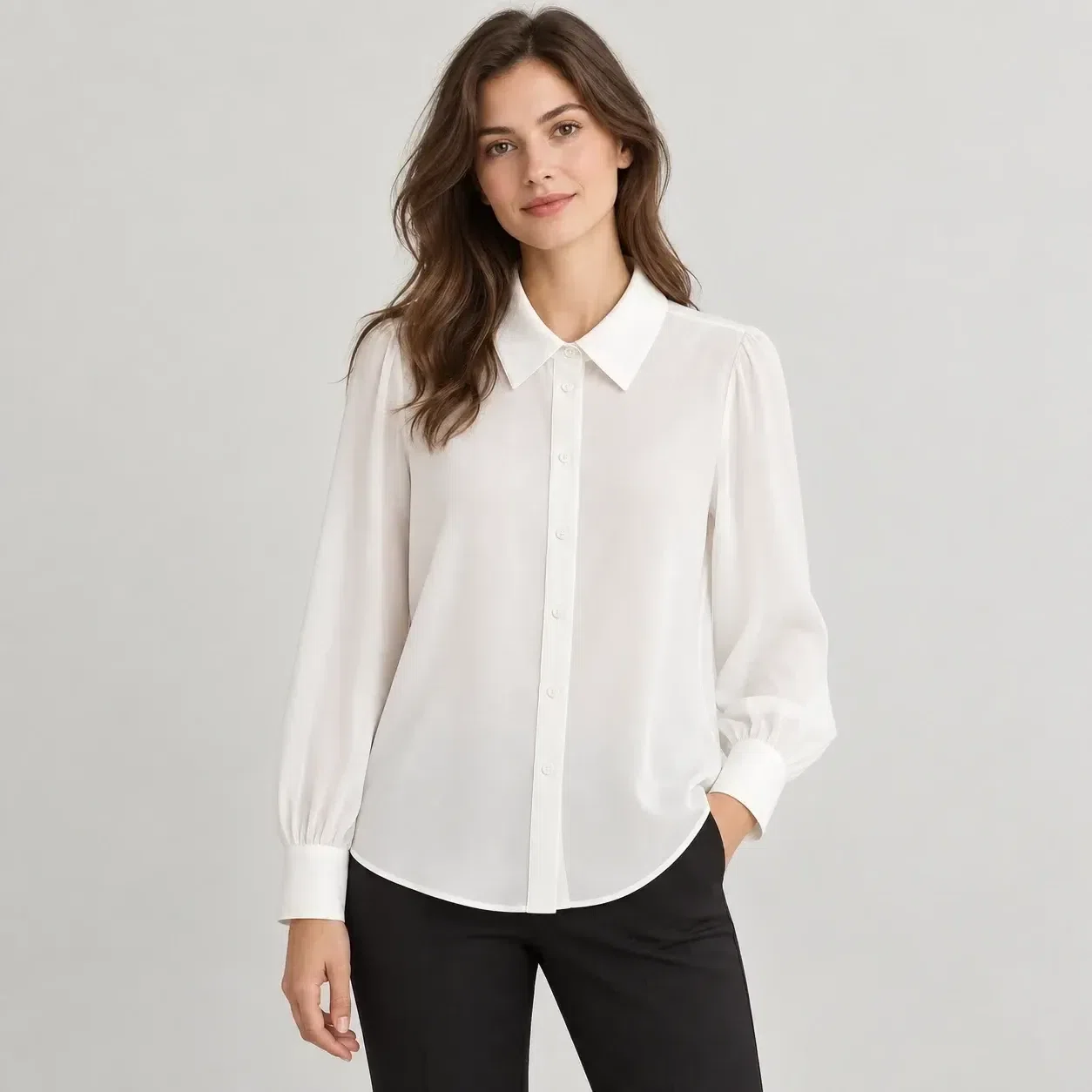
Coordinated uniforms should accommodate different body shapes and wearing preferences. When considering women’s office blouses, review the neckline, sleeve coverage, length and fit through the shoulders and chest. Check how the blouse looks and feels both seated and standing.
For men’s corporate clothing, consider collar measurements, shirt length and shoulder movement. Across the team, ask whether regular, petite, tall or extended-size options are needed, and have the supplier confirm what can be provided.
Use the proposed garment measurements alongside the size chart. Familiar retail labels alone may not provide enough information for a team order. A representative fitting review can identify adjustments before quantities are finalized.
Match Dress Pants and Layers to the Working Day
Evaluate dress pants and slacks for waistband comfort, rise, inseam and freedom of movement. Check pocket placement and the fit when seated, especially for employees who spend much of their day at a desk.
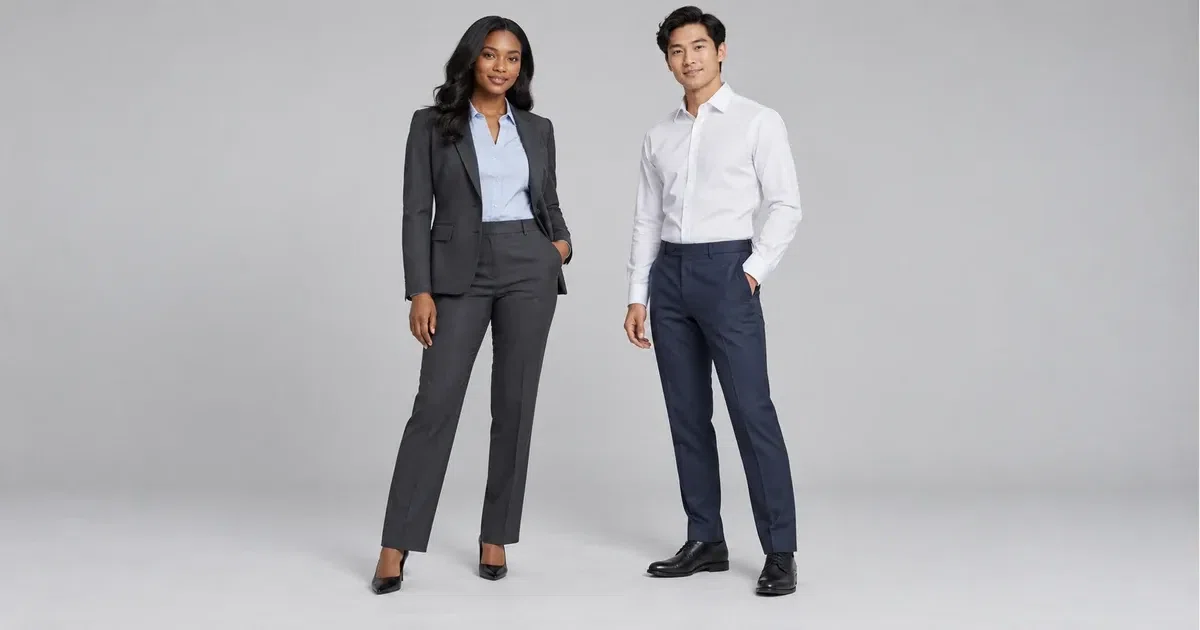
If jackets or other layers are included, assess the full outfit together. Sleeves should sit comfortably beneath the outer garment, and staff should be able to reach without feeling restricted through the shoulders.
Describe the working conditions at each location rather than choosing one fabric weight for every office. Consider indoor comfort, travel between sites and any outdoor appointments. Ask to compare fabric samples for weight, opacity, texture and care requirements before approval.
Make Branding Repeatable Across the Wardrobe
Provide the approved company logo, color references and intended decoration dimensions. Specify placement for each garment instead of assuming the same position will work on every shirt, blouse and jacket.
Review artwork at its actual reproduction size. Fine lettering may need a different treatment from a simple symbol, so ask for a proof and a sample on the proposed fabric before deciding on embroidery or printing.
Keep the approved artwork and garment references in one record. Include the revision date and the person responsible for approval. This gives future buyers a clear basis for discussing replacements or a new batch.
Organize Samples, Launch Orders and New Hires
Separate the initial rollout from ongoing replacement needs. Build your first quantity schedule from employee counts, garment allocations and confirmed sizes rather than assuming an equal spread across every size.
A sample review should cover:
- Fit during normal office movement.
- Fabric coverage and the feel of the full outfit.
- Measurements before and after an agreed care trial.
- Logo size, placement and color contrast.
- Seams, closures and overall appearance.
Record approvals and changes before placing the production order. For new hires, retain the garment specification and ask about current availability, reorder quantities and timing. Do not assume that a later order will have the same terms as the launch order.
Prepare a Clear US Corporate Clothing Inquiry
Include garment types, quantities, sizes, brand colors and decoration requirements in your inquiry. Add your sample needs, requested launch date and the full US delivery address with its ZIP code.
For multiple offices, provide a location-by-location quantity breakdown and any packing labels your receiving teams require. Ask for delivery arrangements to be confirmed for each destination, including Alaska or Hawaii when relevant to your order.
Request a quotation that separates garment costs from sampling, branding, packing and transportation charges. If the proposed supply is cross-border, clarify import responsibilities and additional charges before approval.
Share your corporate uniform brief with StitchBase Uniform to discuss suitable options and the information needed for a quotation.