












Agree the appearance before pricing the order
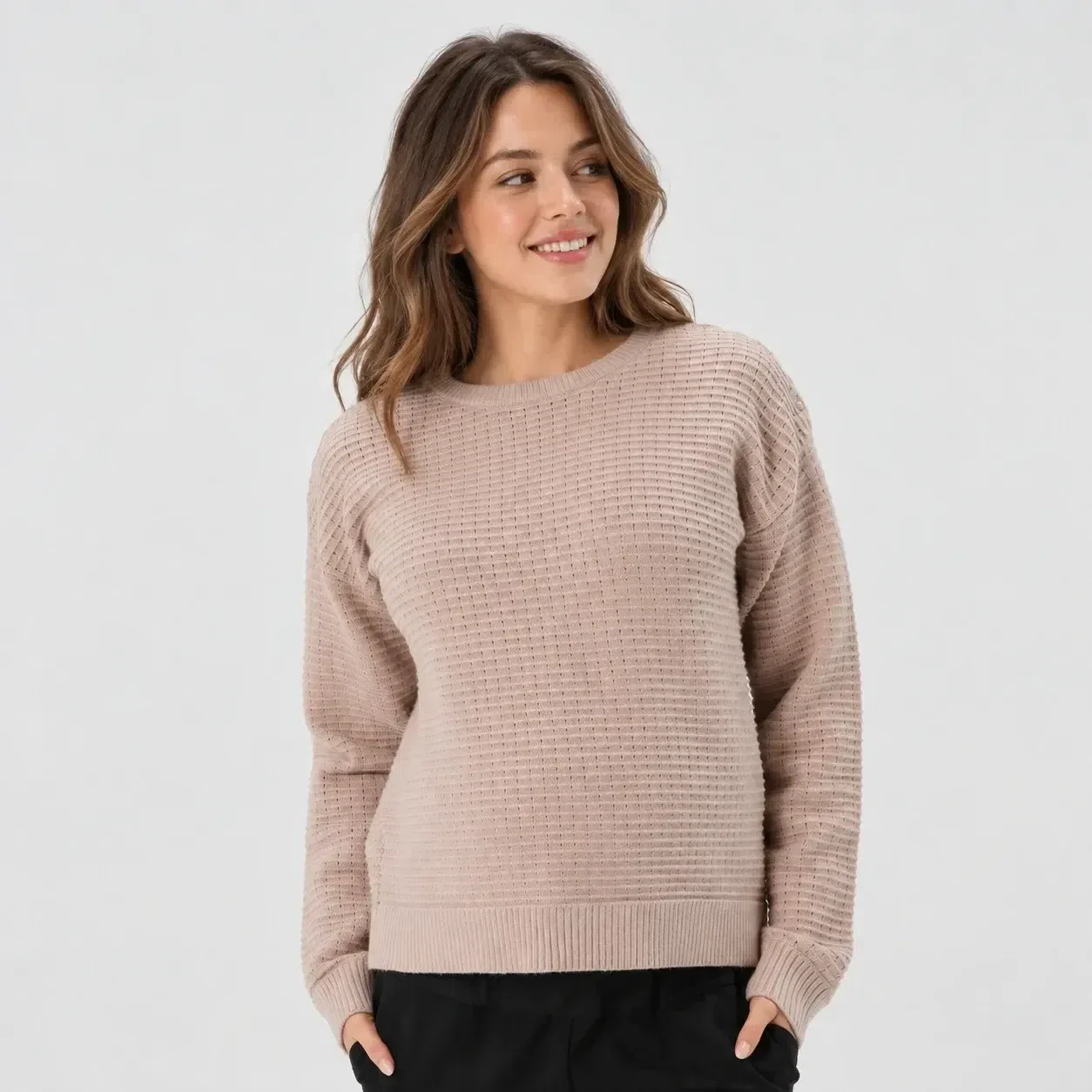
A healthcare uniform programme needs a clear visual decision and a practical clothing decision. For a Bahrain clinic, begin with the identity the practice wants staff to present and the activities each team performs. Establish which colours and garments the organisation permits, then identify who can approve changes to that appearance.
Keep the decision simple enough to use when new staff join. A design reference should show the chosen garment, colour, logo position and any authorised role variation. Describe a department difference explicitly rather than relying on a photograph or a supplier's colour name. The practice's approved reference becomes the basis for quotation, artwork review and later replacement enquiries.
Distinguish roles through usable garment choices
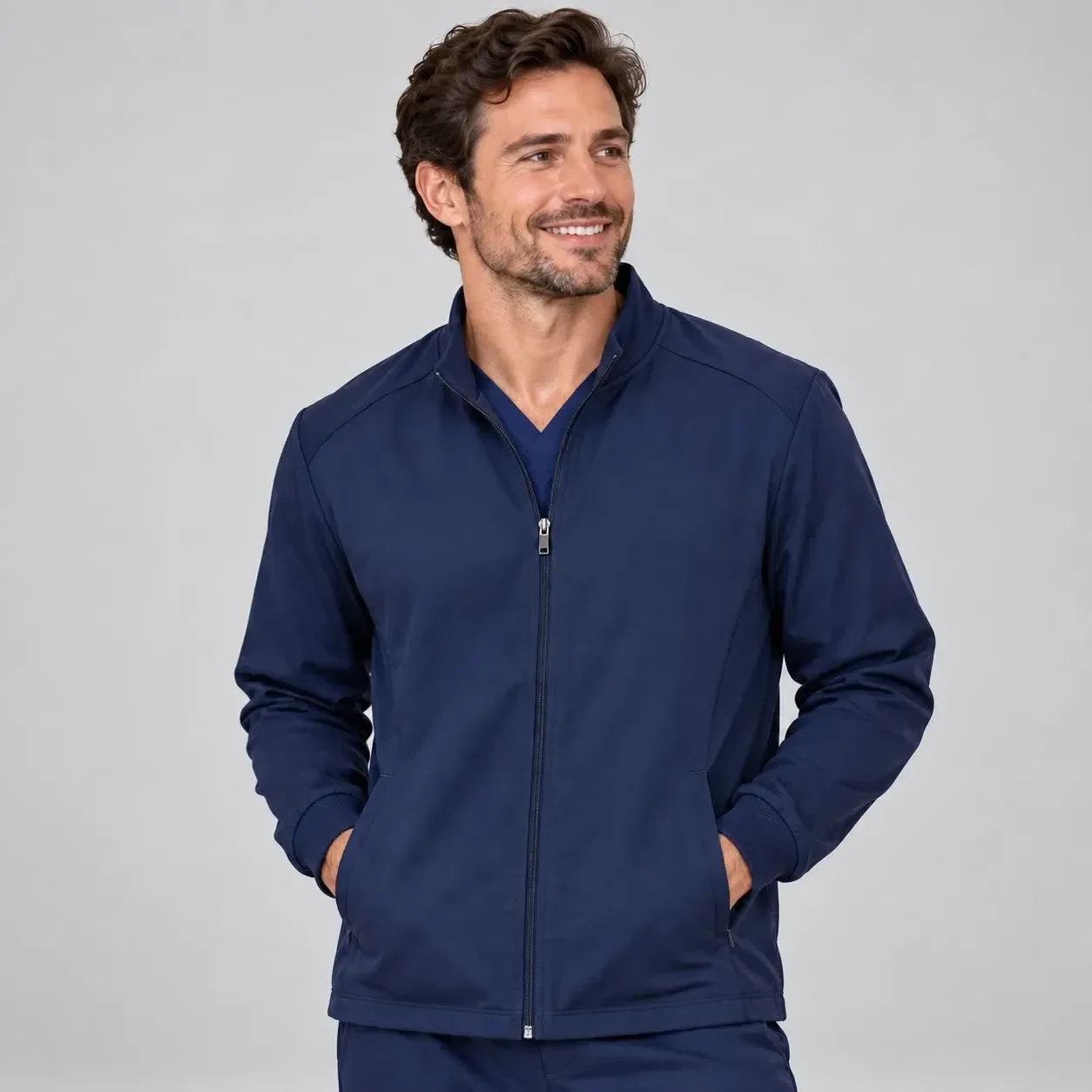
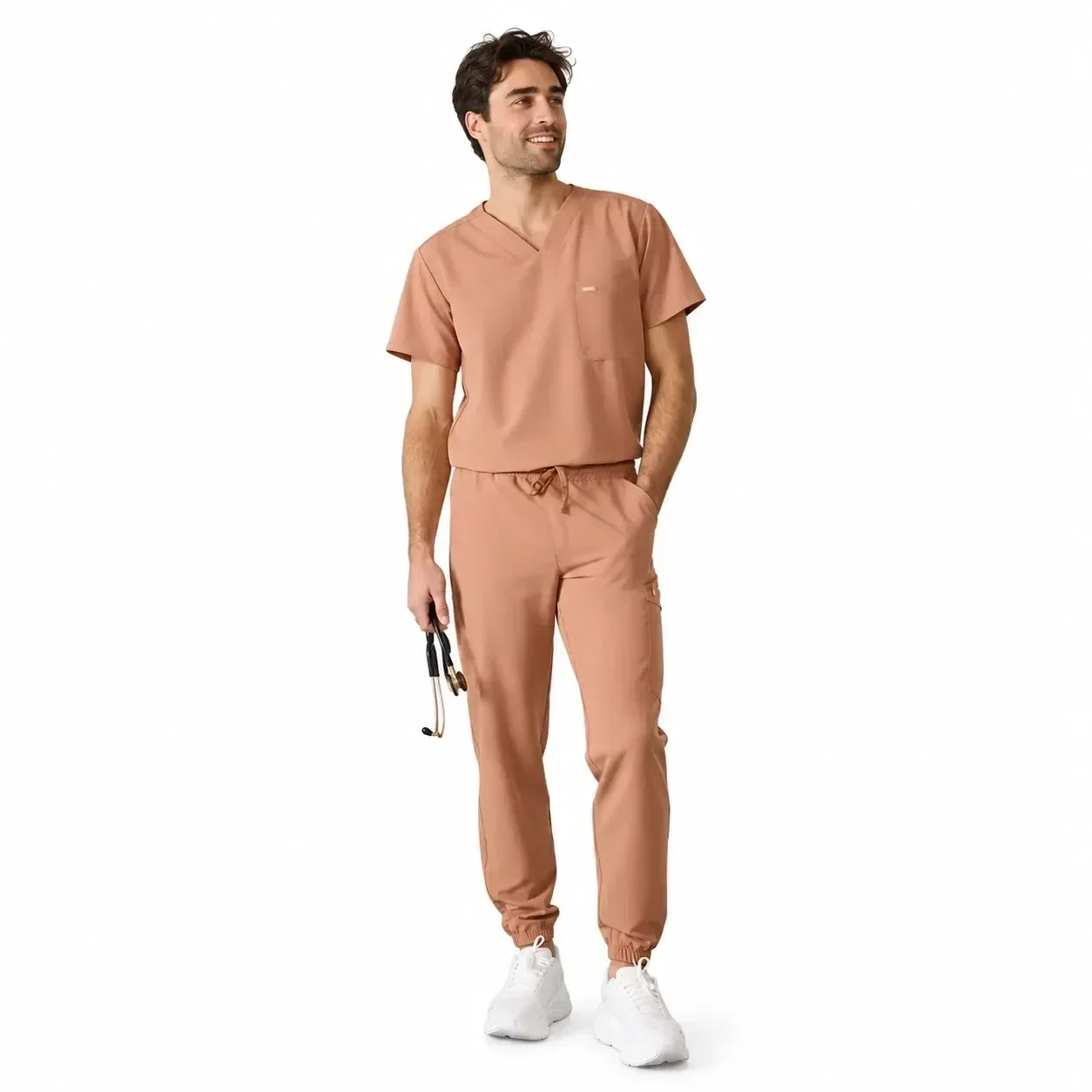
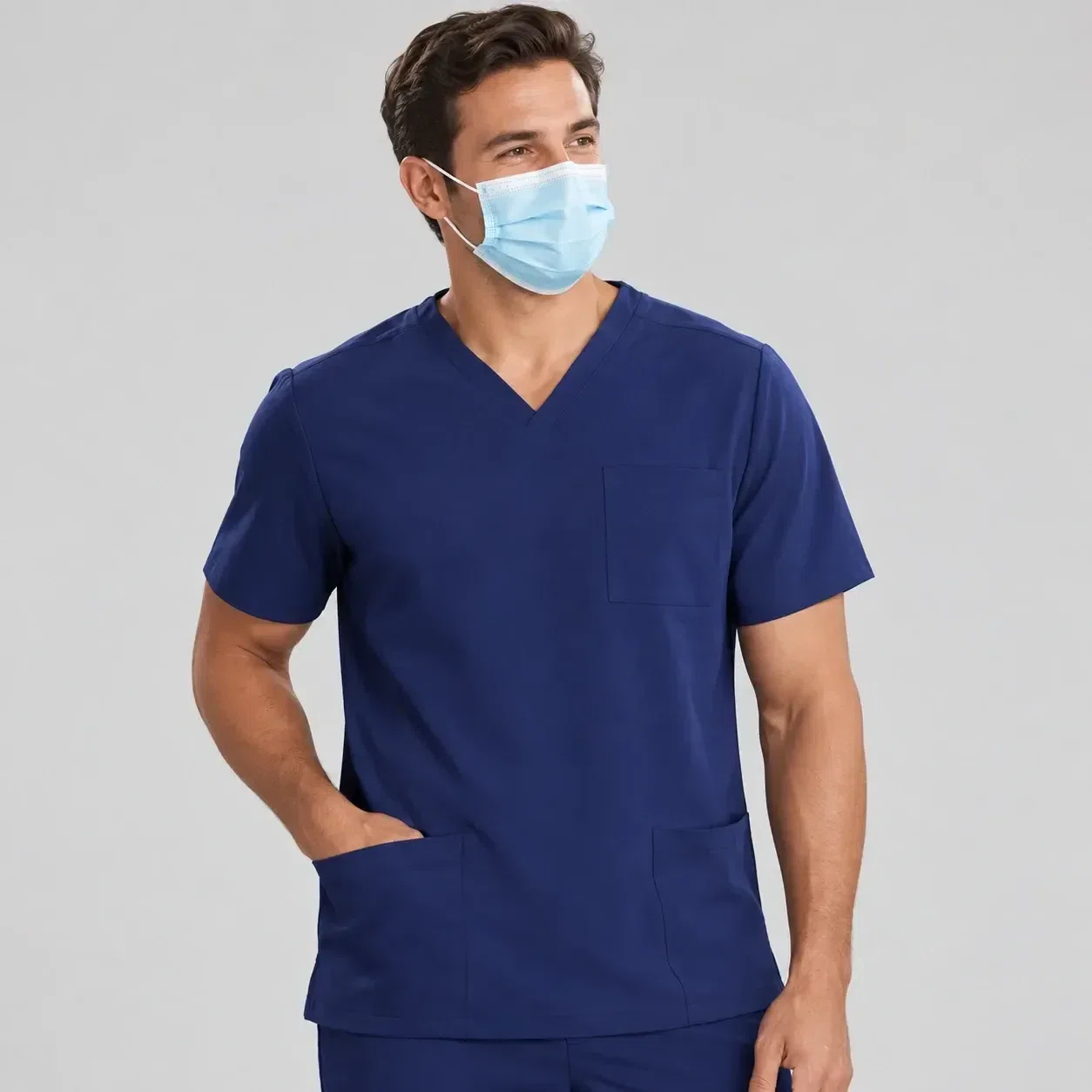
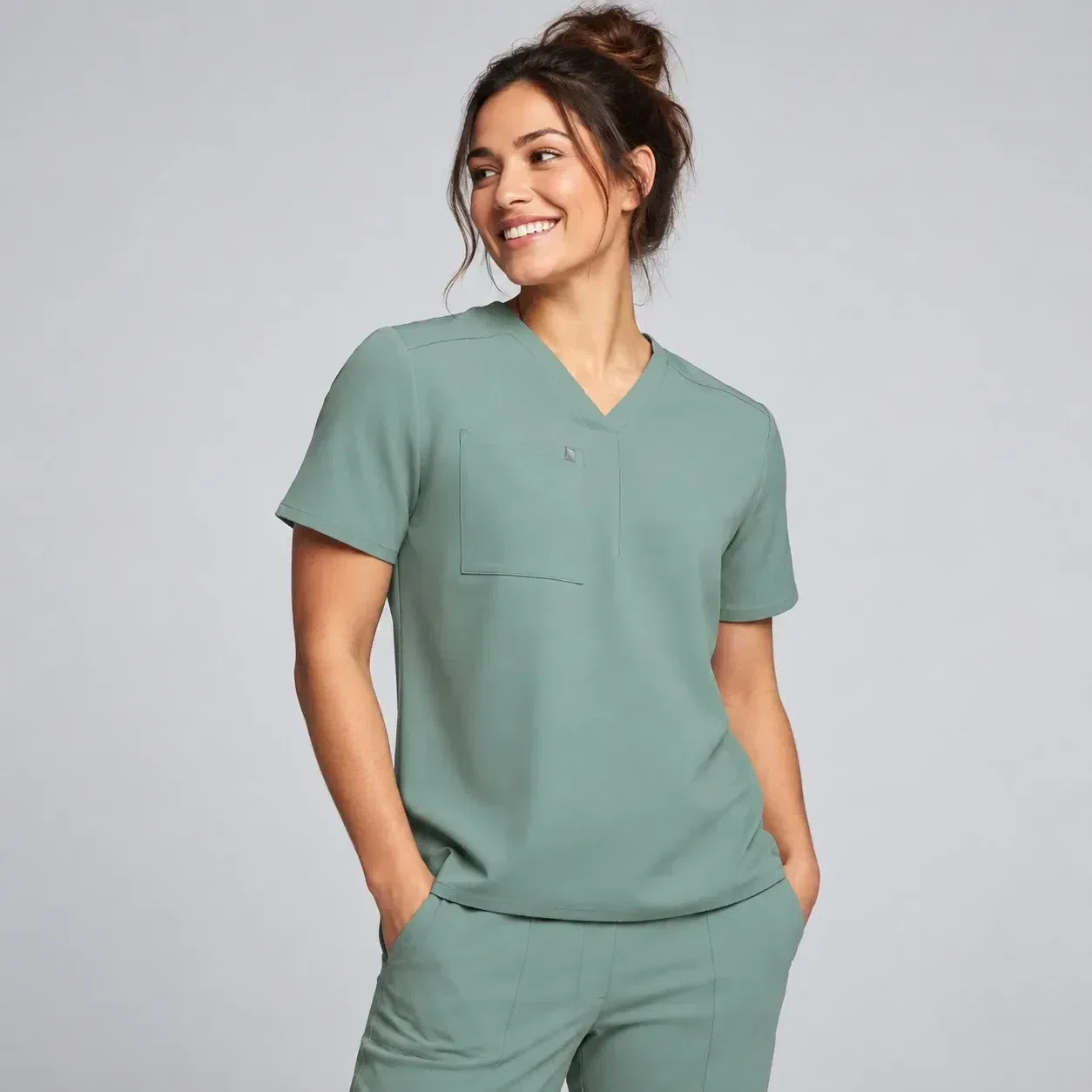
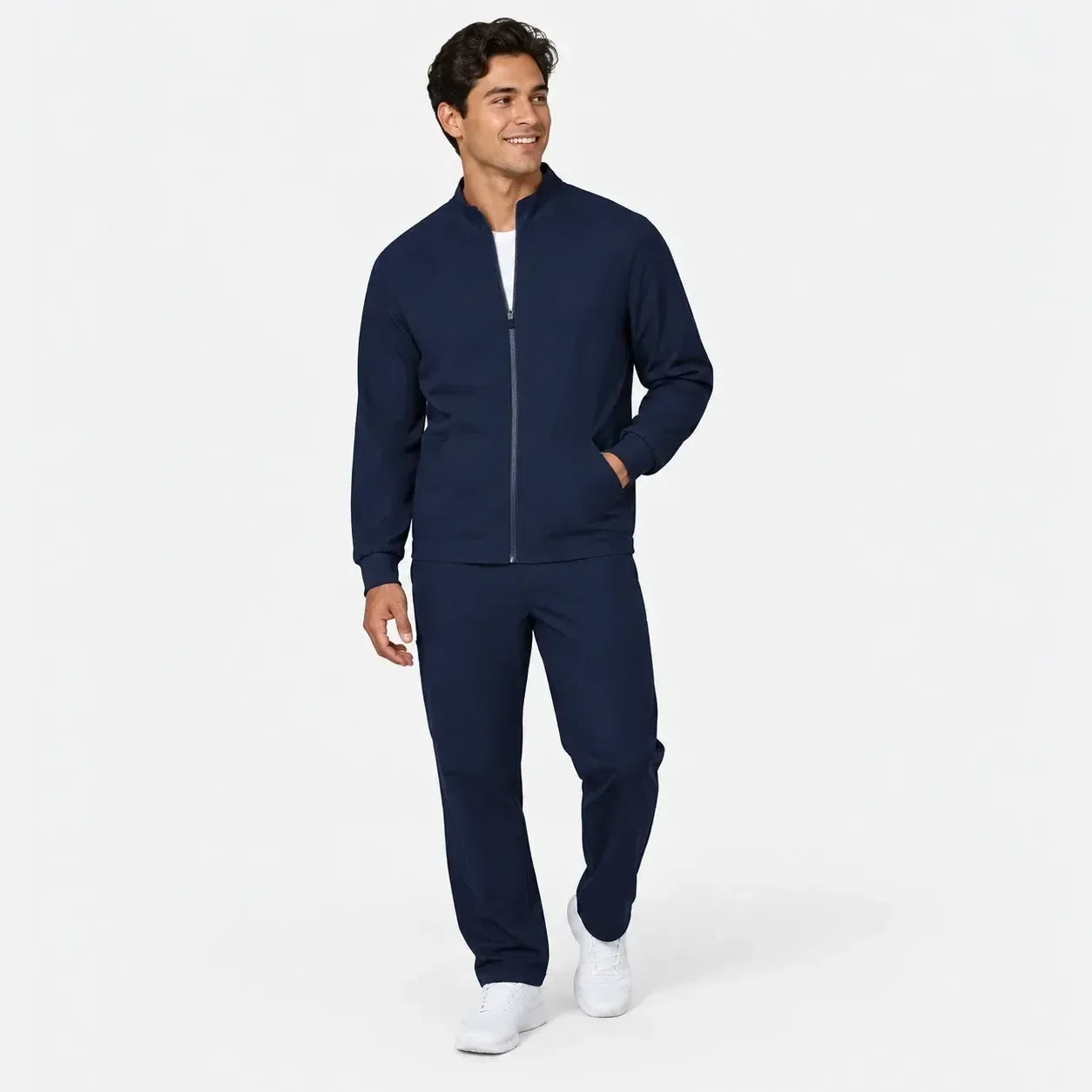
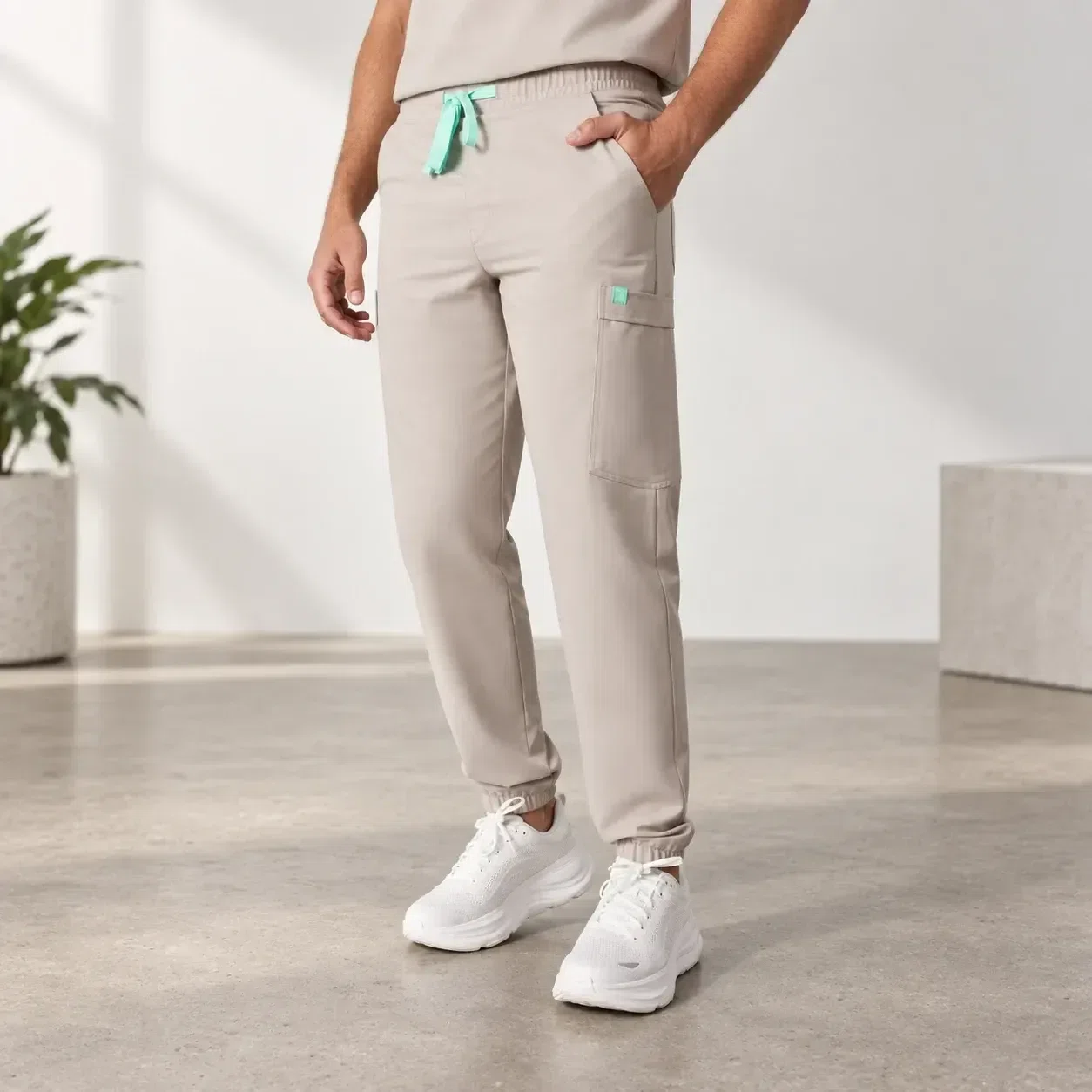
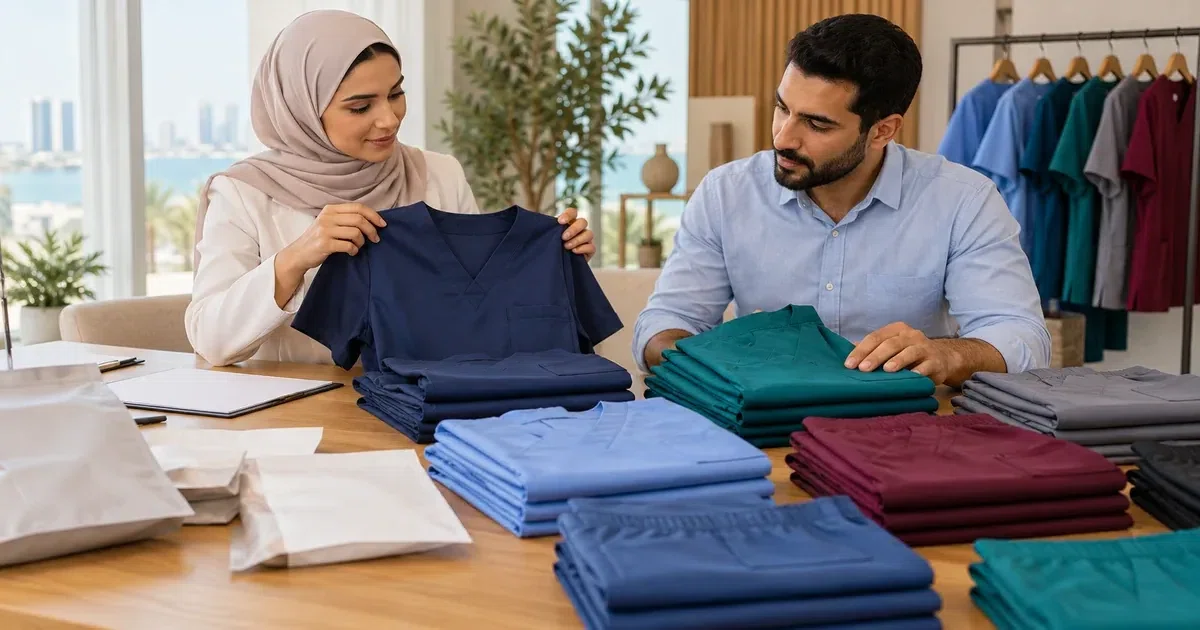
Custom medical scrubs offer a starting point where the facility selects a coordinated clinical outfit. Choose the garment requirements from the task: how staff sit, reach, walk and access everyday equipment. Specify pockets, top length and trouser preferences where these affect use. A visually neat kit still needs an appropriate size allocation for its wearers.
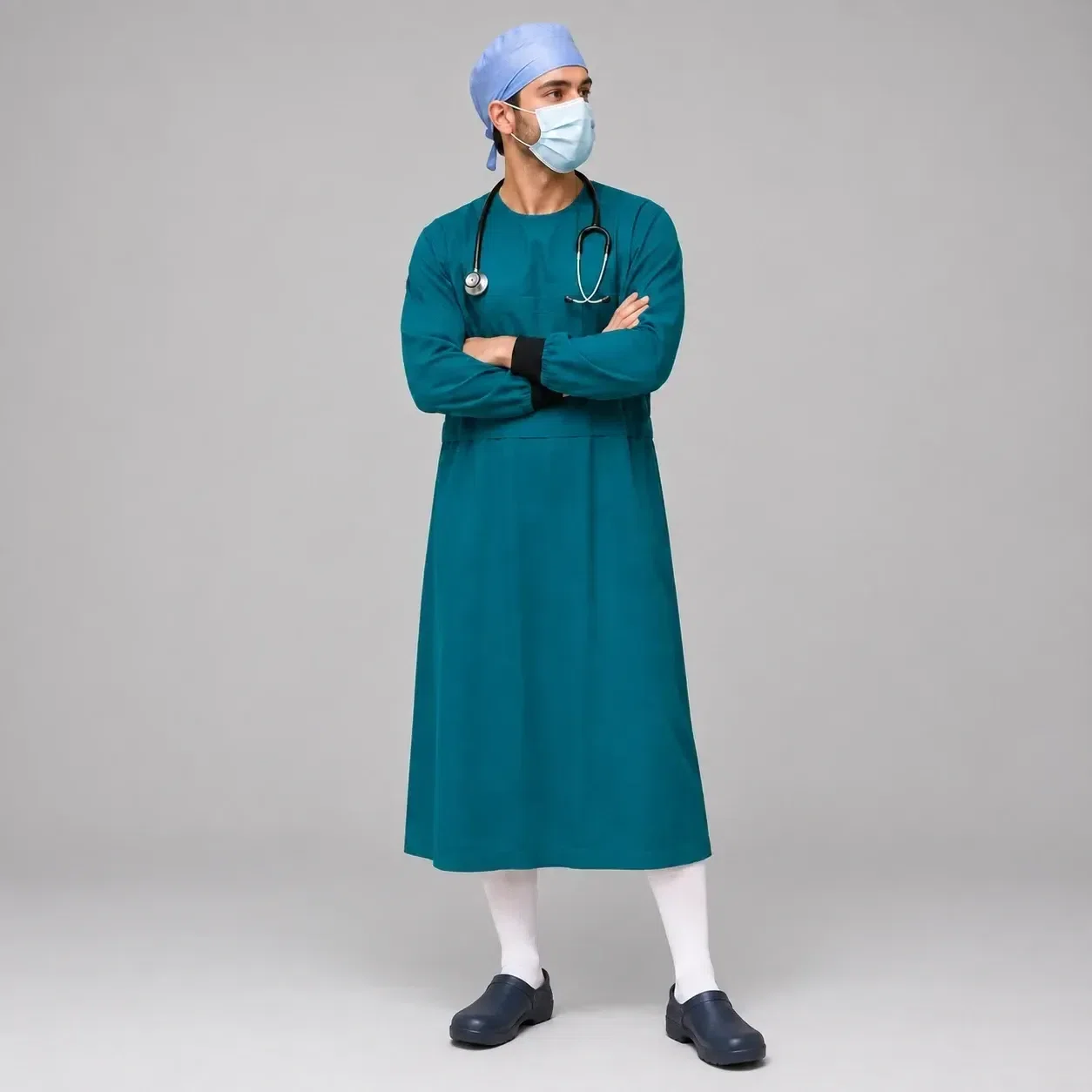
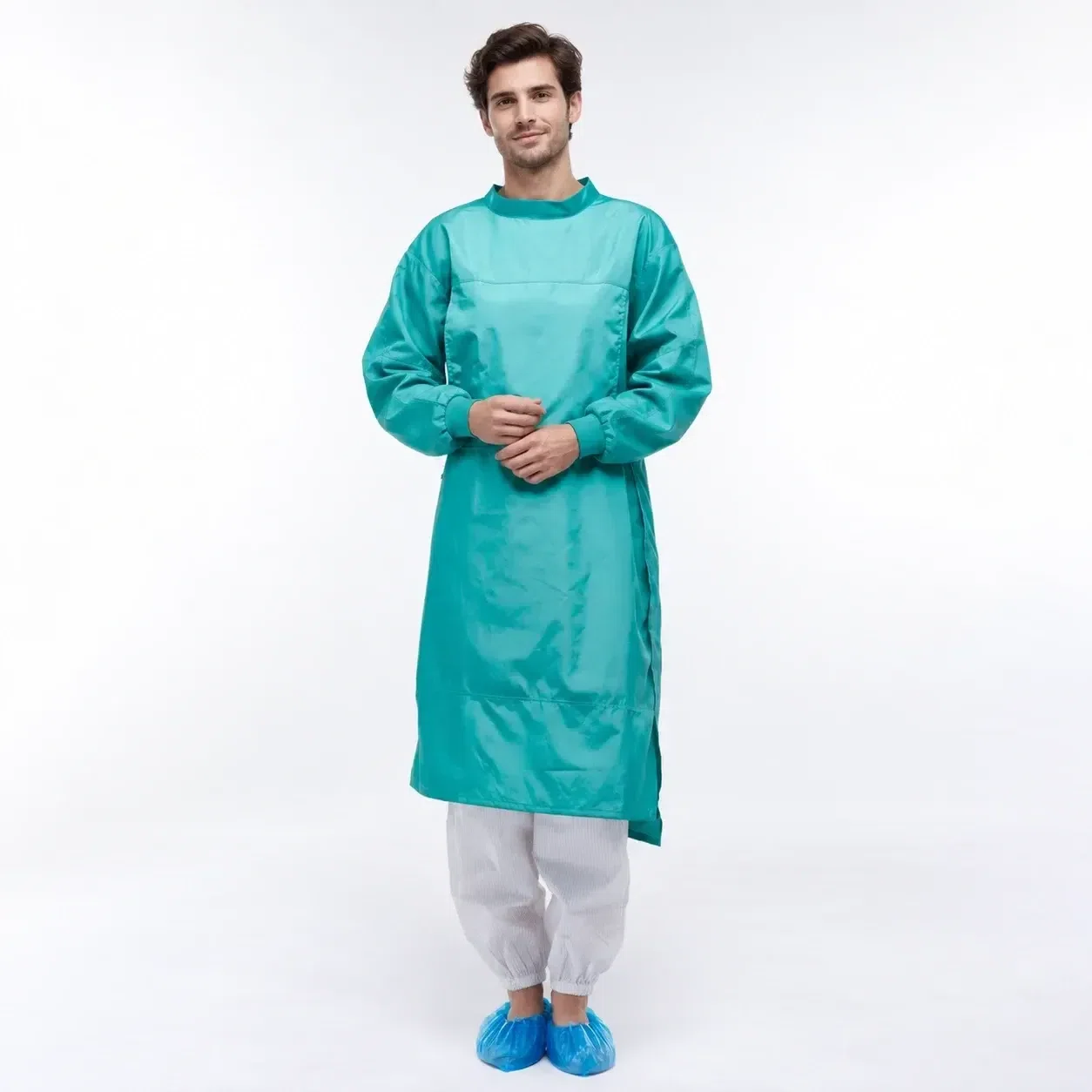
Coats deserve a separate review. For a team considering custom lab coats, identify the role, closure, length and wearing routine. Ask the facility reviewer to confirm whether the selected clothing is suitable for the intended activity. A white coat's appearance does not establish protection, and ordinary staff garments should not be treated as certified medical equipment.
Avoid adding unrelated products to complete a visual theme. Clinical and support roles may have different clothing requirements, and the buyer should assess them independently. Record only garments relevant to this healthcare brief so procurement can see what the proposed quotation covers.
Check comfort through fabric and fit information
Explain the working environment to the supplier, including indoor conditions and any movement between clinical spaces. Ask for the composition and care instructions of the proposed fabric. Evaluate those details alongside the facility's routine rather than assuming that Bahrain's outdoor weather determines a garment worn mainly indoors.
Use one size guide and consistent units for the staff schedule. A separate top and trouser size may be necessary for a scrub wearer; record that distinction before final quantities are approved. During a fit assessment, check reaching and sitting as well as standing appearance. If a different sleeve or longer cut is requested, confirm its availability and measurements in the garment specification.
Take branding from artwork to approval
StitchBase provides free mockups before production. Use the mockup to confirm logo scale, placement and the relationship between colours. Provide the final artwork rather than asking production to interpret a small screenshot. If names or roles are requested, give the approver a checked spelling list and show their placement on the design.
Where Arabic and English wording are proposed, agree the final wording with the buyer and ask production to confirm the chosen script and method. Capability for a particular Arabic layout remains subject to confirmation. Record the approved revision so a later correction does not leave the purchasing team and production using different files.
A mockup reviews appearance. If the buyer also needs a physical sample for fabric, fit or laundering assessment, describe that requirement separately and confirm its terms. The two approvals should refer to the same garment without implying that one replaces the other.
Align the quotation with the purchasing process
Bahrain's Tender Board offers supplier registration through its eTendering system for the public purchasing process. An institutional buyer should establish the applicable registration and tender conditions with its procurement lead. Those requirements are separate from a clinic's internal design approval, and a custom uniform quotation does not establish public-sector supplier eligibility.
For the enquiry, include the garment schedule, size totals, approved artwork, intended Bahrain destination and requested date. Ask the team to confirm current service availability, shipping arrangements and responsibility for duties or taxes before placing an order. Supply any documentation or sample requirements at the same time so they can be assessed within the proposal.
Retain the accepted specification and purchasing record for reorders. Identify the same colour and artwork reference when requesting replacements, and flag any change to the original garment. Share your team's clothing brief to begin a quotation built around its actual requirements.