








Start with the practice’s working requirements
A uniform order should reflect how your team works, who approves the garments and how clothing is managed during the working day. For a dental practice, this can mean reviewing scrub tops and trousers alongside changing facilities and the handling of used workwear. For a clinic or care organisation, begin with the responsibilities of each staff group and the organisation’s own dress requirements.
The HSE’s national infection prevention and control guideline for dental and orthodontic services describes changing into uniform at the workplace and removing it before travelling home. Its scope is dental and orthodontic services; buyers should check which guidance and local policies apply to their own setting. Translate those requirements into a practical issue plan: how many garments staff need, where clean replacements are kept, and who manages laundering.
Bring the practice manager, clinical lead and staff representatives into the brief early. A colour or logo decision is easier to approve when the people responsible for patient-facing presentation and everyday use have agreed the purpose. Record those decisions before requesting prices, so quotations cover the same requirements.
Choose garments around the work involved
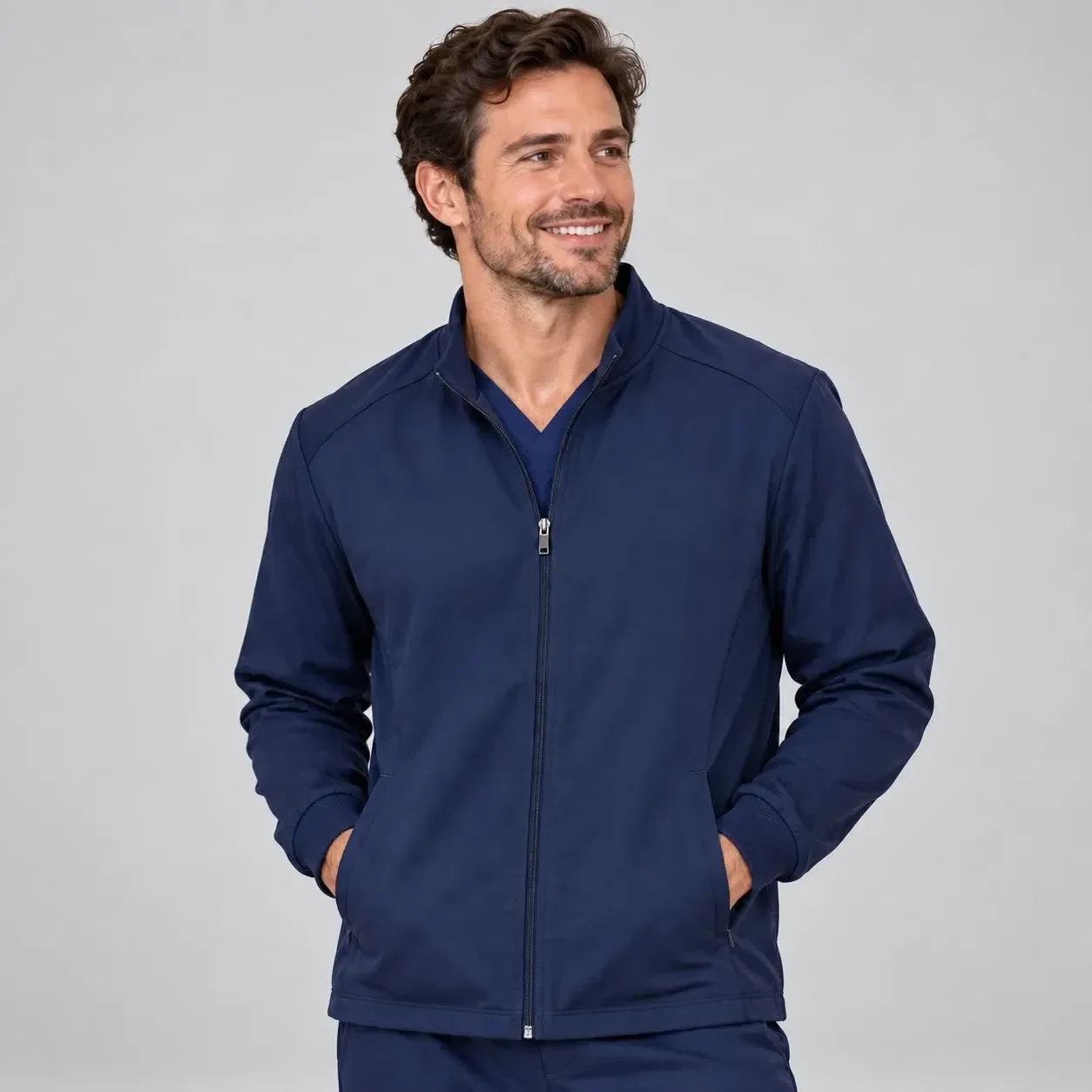
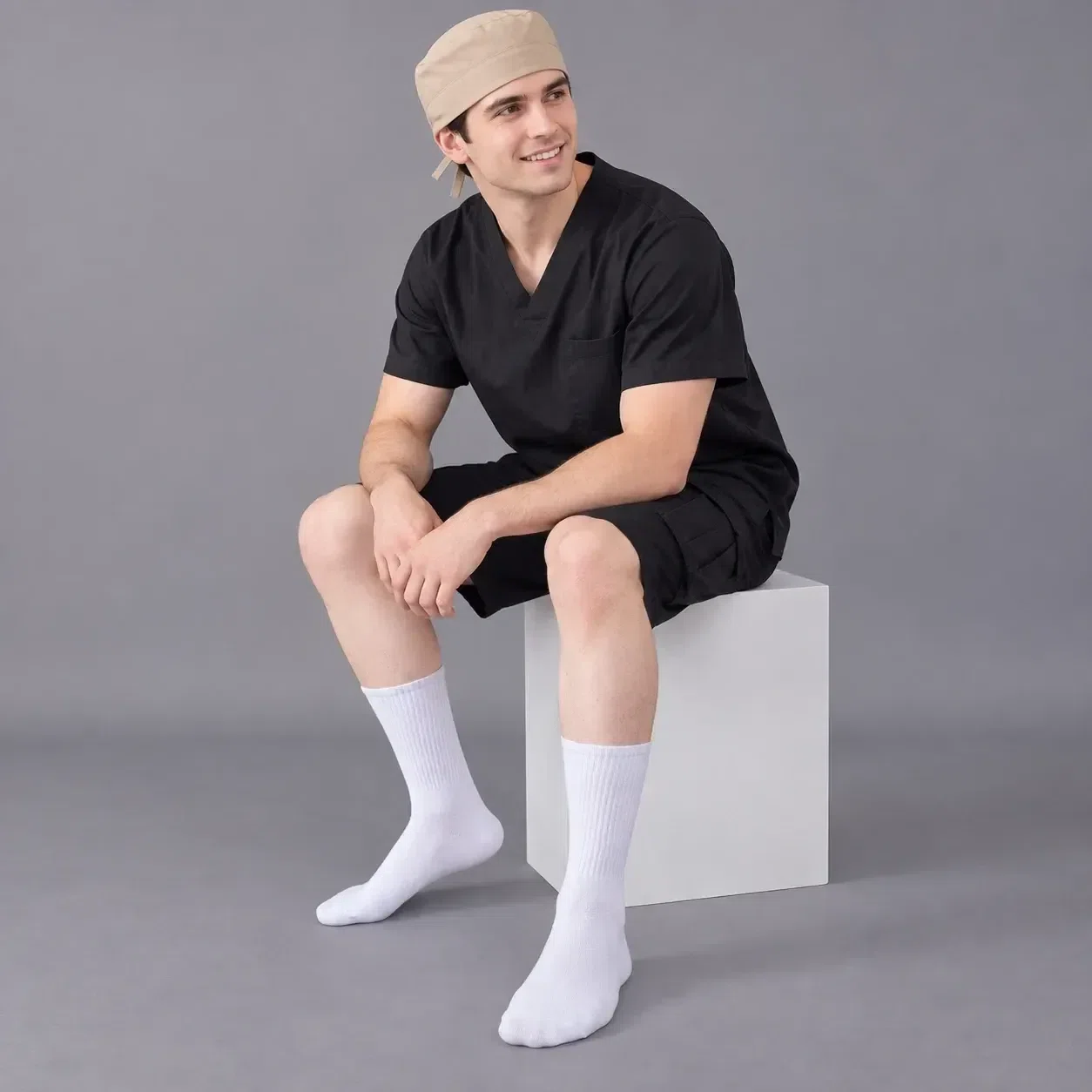
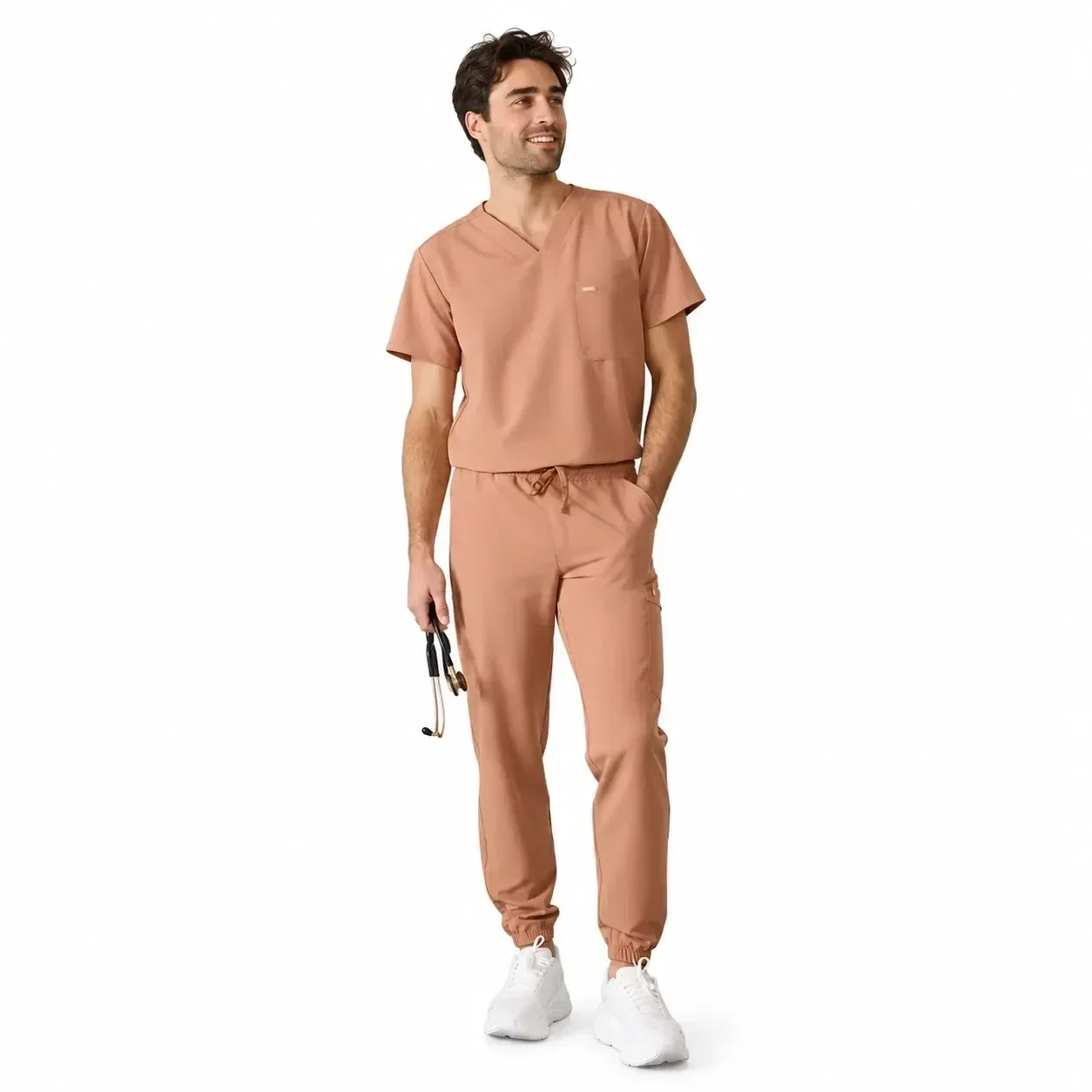
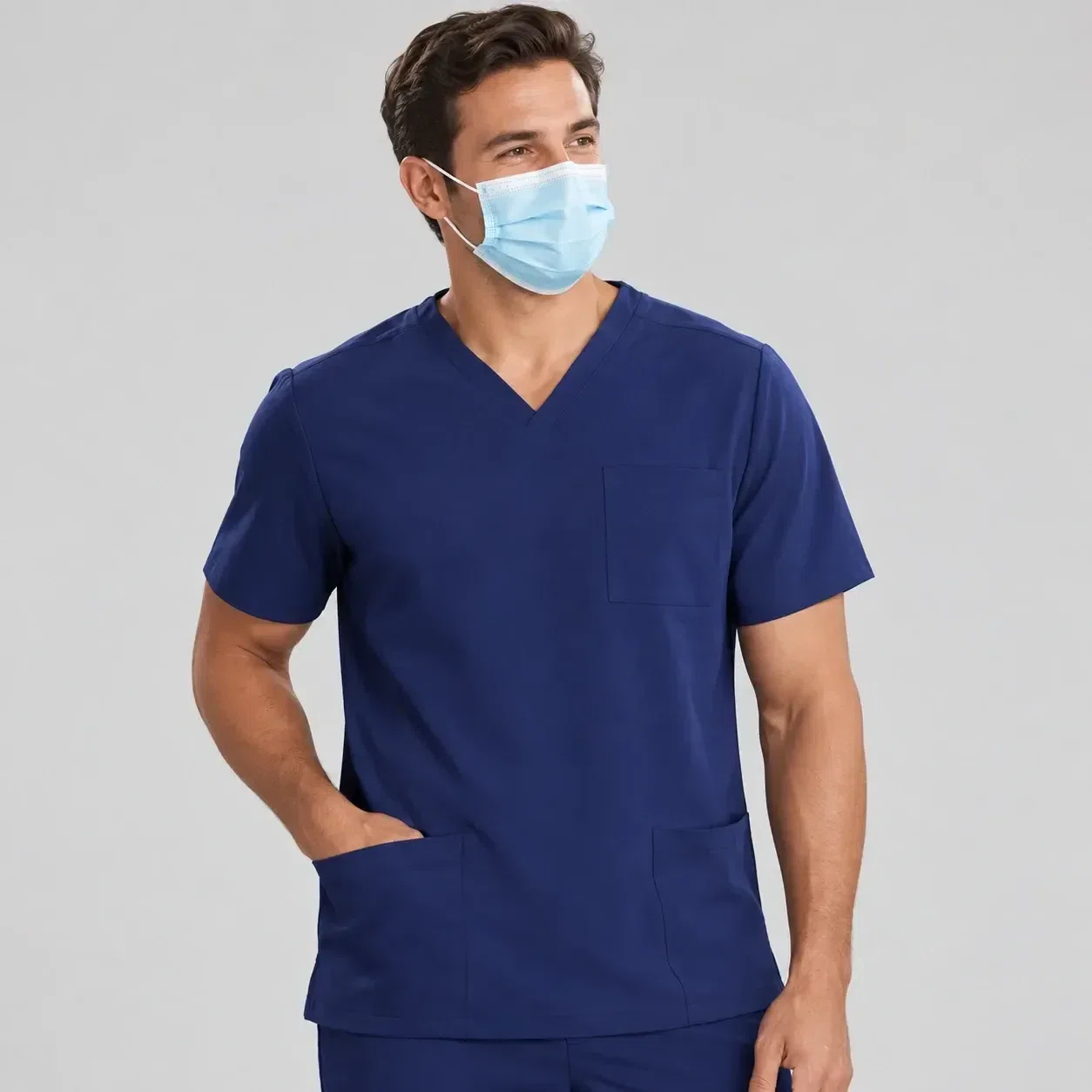
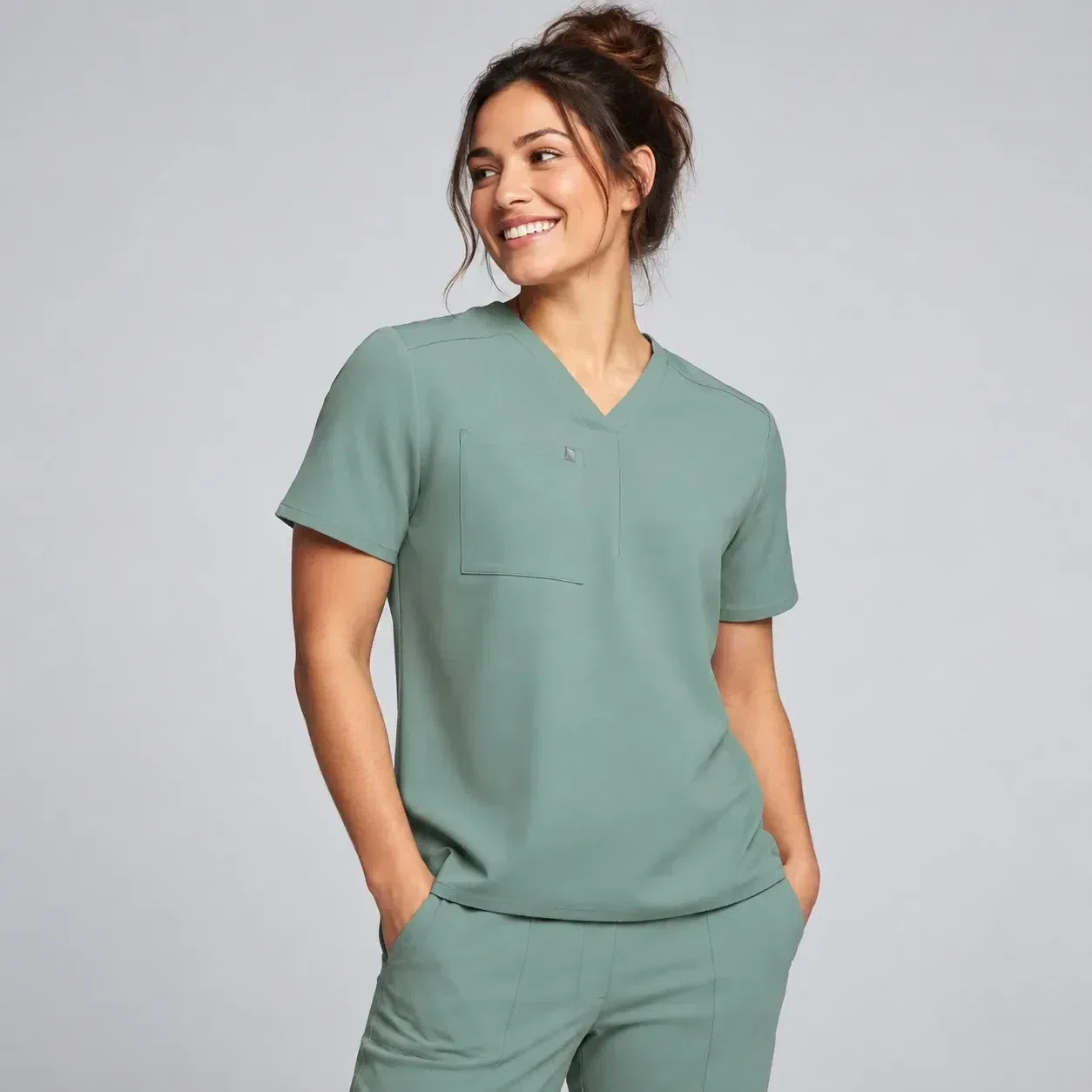
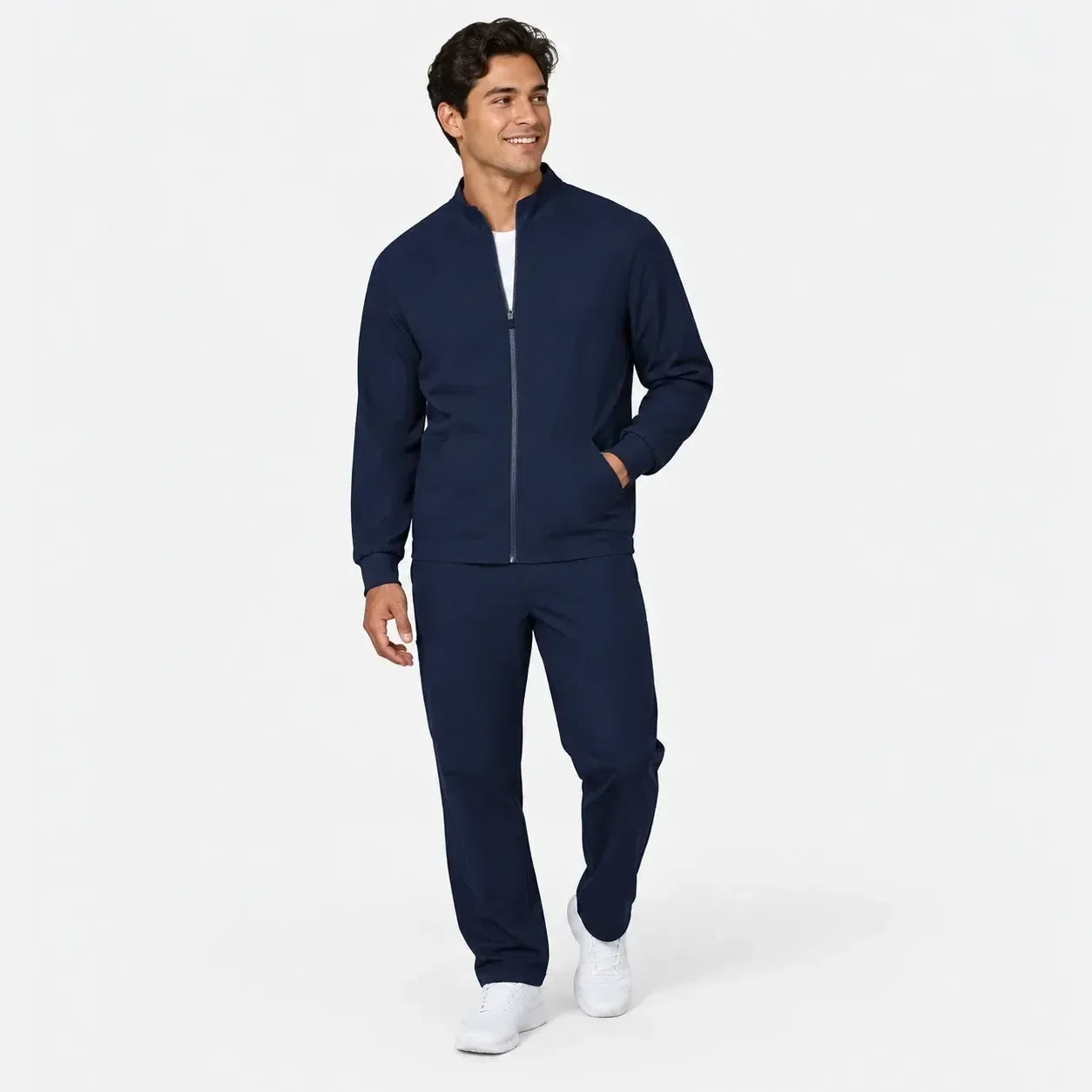
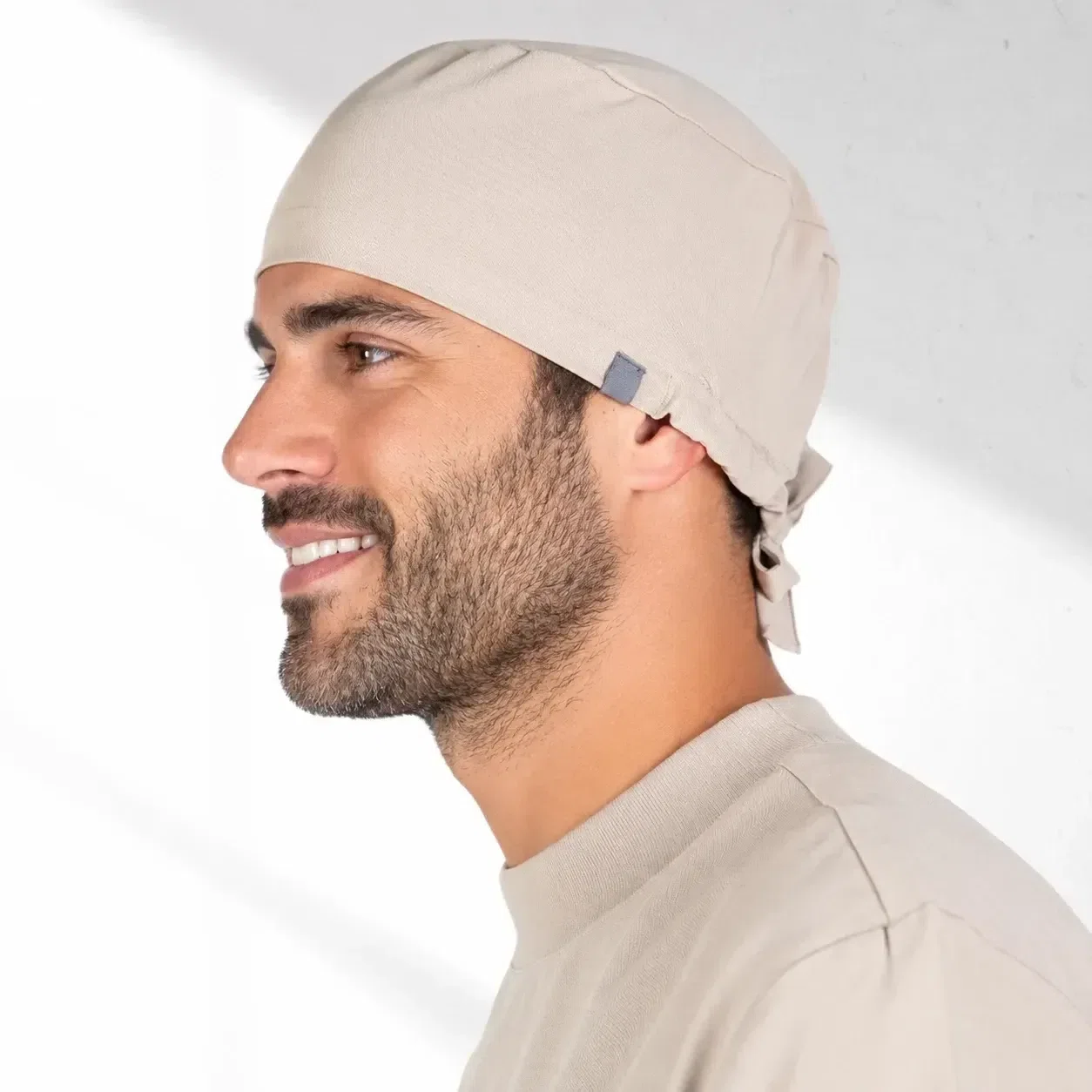
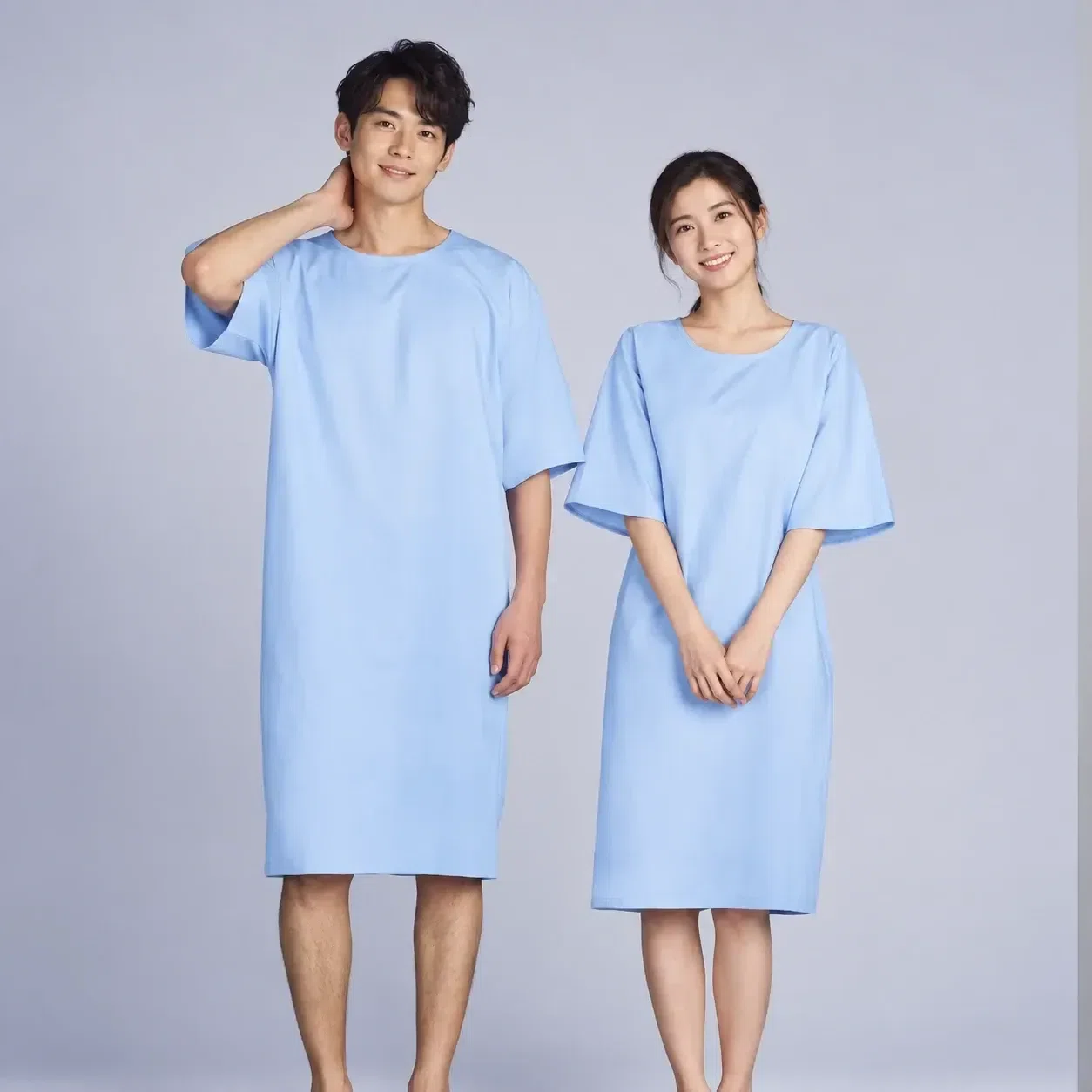
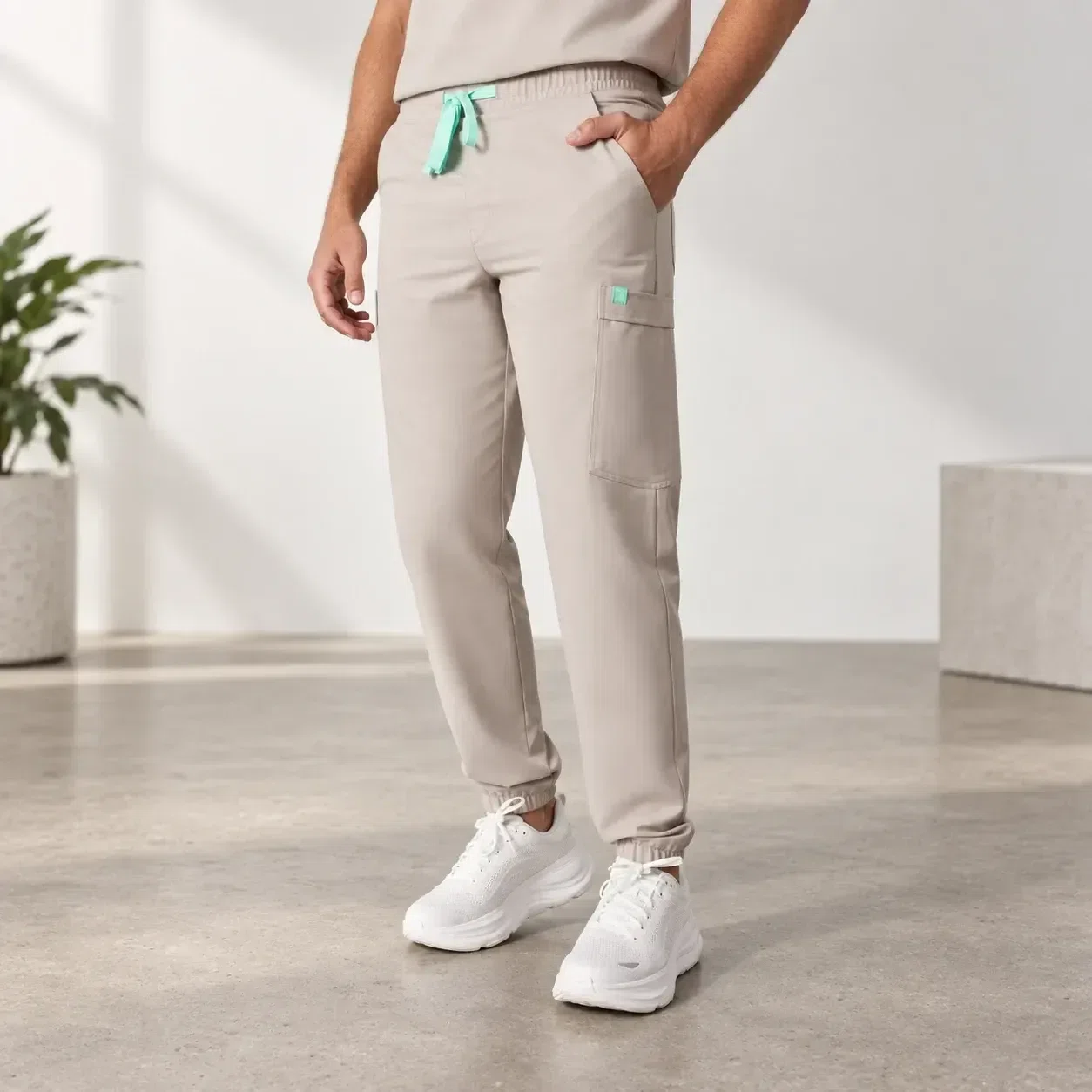
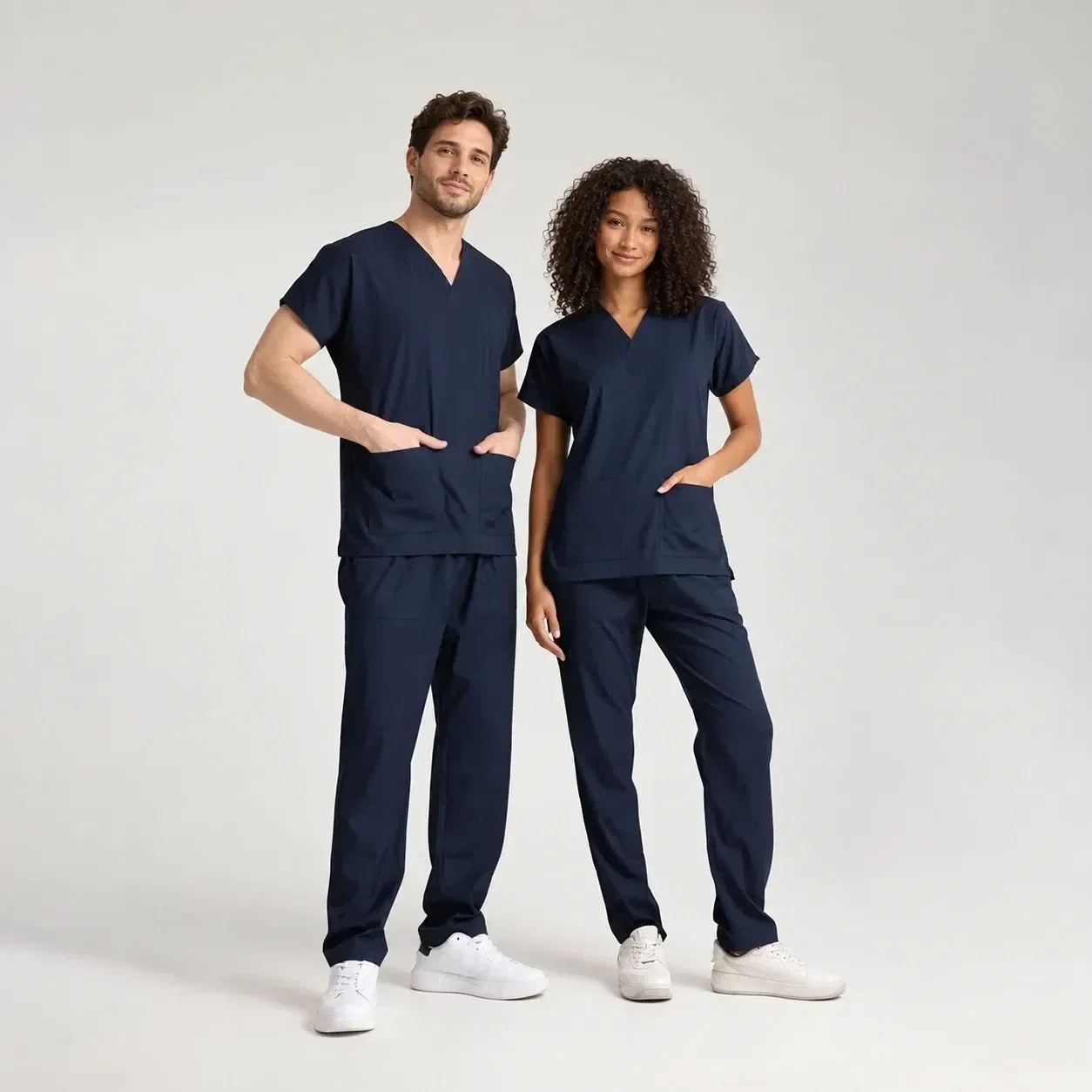
Custom medical scrubs offer a starting point for a coordinated team specification. Decide whether staff need complete sets or separately sized tops and trousers. Separate sizing can make the order more accurate when a person needs different sizes for the upper and lower body.
Review neckline coverage, sleeve length, fastening preferences and pocket position in relation to the work. A dental team may need to assess reach and seated posture, while care staff may need to check bending and assisted movement. These are buyer evaluation points; confirm the exact construction offered for your chosen garment rather than assuming every style has identical features.
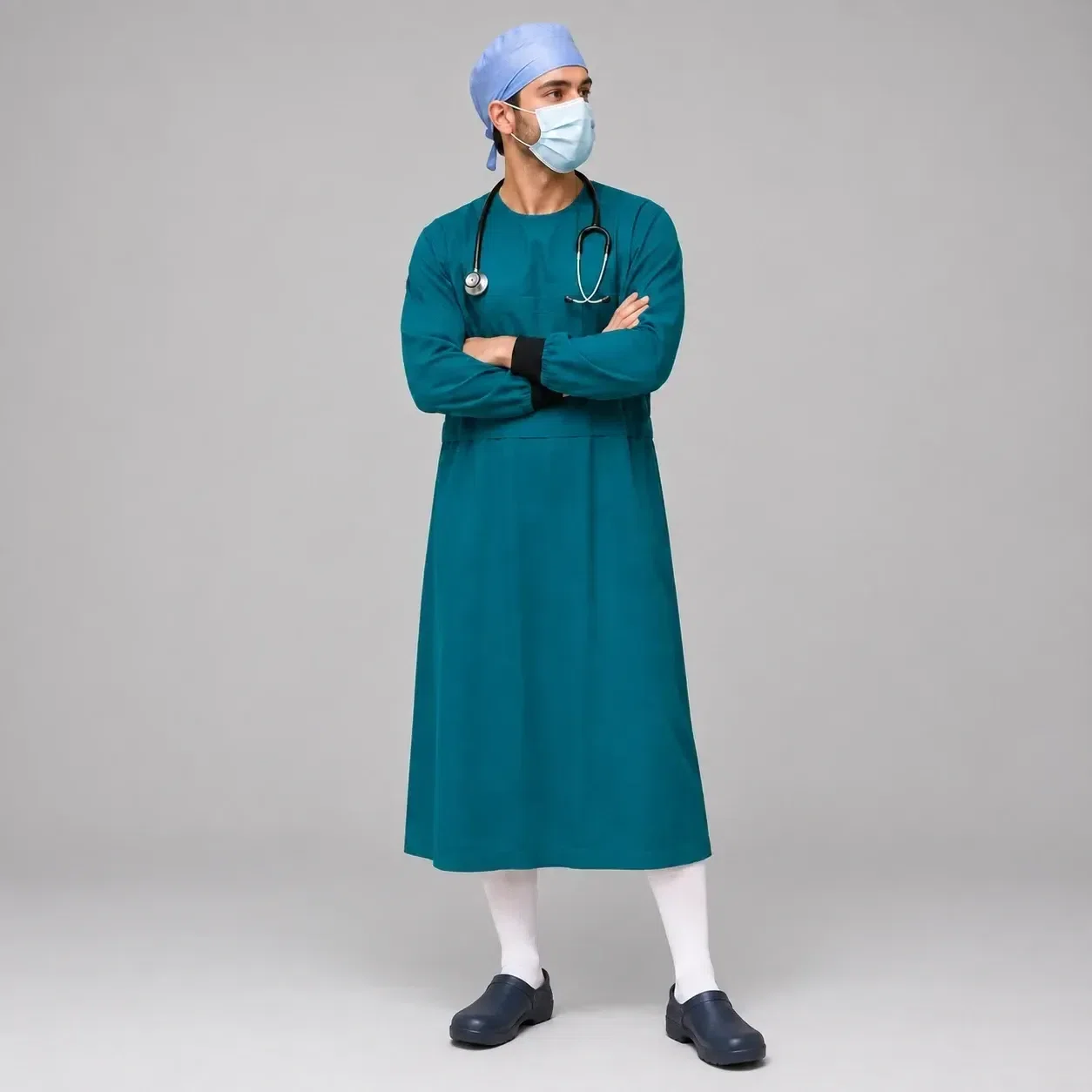
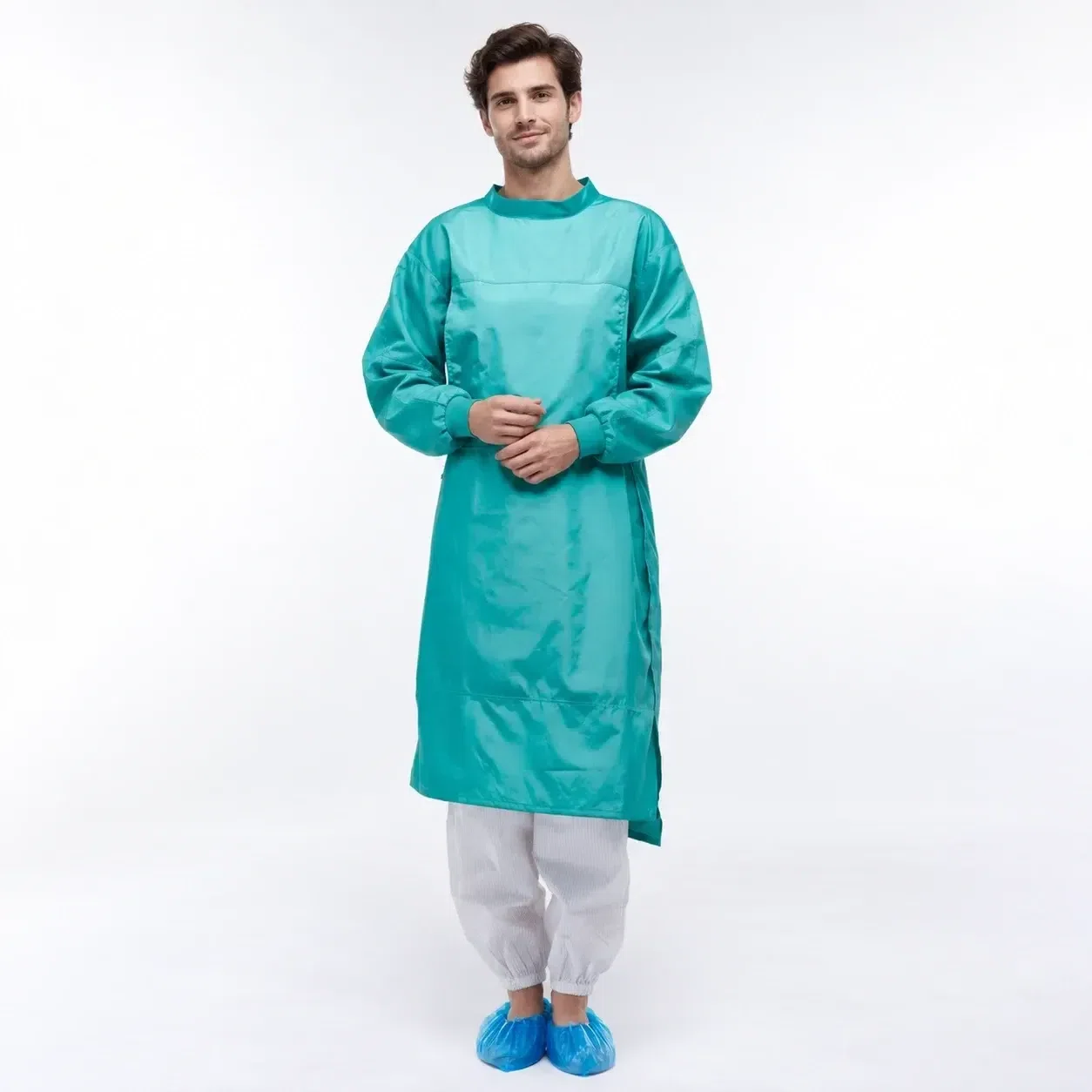
Keep the clinical uniform decision distinct from any protective clothing requirement. Routine apparel does not establish protection against blood, fluids or other hazards. Any necessary protective garment must be selected through the appropriate clinical assessment and supported by its own specification and evidence.
Check fit and laundering before approval
Do not convert familiar retail sizes into a bulk order without checking the proposed measurement chart. Collect the measurements requested for the selected style, record the unit used and confirm whether the chart describes body measurements or finished garments. Include length requirements where standard proportions do not suit the wearer.
Ask staff to assess the proposed garment through ordinary working movements: sitting, reaching, bending and walking. Review coverage and comfort with the items normally worn alongside it. Where a physical fit sample is needed, discuss its availability, cost and timing before scheduling the final approval.
Provide the laundry process in the enquiry, including any required wash and drying conditions. The agreed fabric, seams, colour and decoration should be reviewed against that process. Do not assume an unspecified garment supports industrial laundering or a particular temperature; request the applicable care information and supporting evidence.
Make branding easy to approve and repeat
StitchBase Uniform offers embroidery and other garment-appropriate branding methods, with free design mockups before production. Supply the authorised practice artwork, proposed placement and required dimensions. Check that the design leaves room for any staff identification your organisation requires.
For names or role titles, appoint one person to approve spelling and the final list. A digital mockup helps review appearance, but it does not replace checking physical fit or laundering suitability. Record the approved artwork version, colour reference and garment specification together so a later reorder can be assessed against the original decision.
Send one organised enquiry
Prepare quantities by garment, size and colour, rather than sending only the number of staff. Include the requested fabric characteristics, decoration details, sample needs, delivery address in Ireland and desired date. Highlight any tender documentation or internal approval requirements before the specification is finalised.
Minimum order quantities vary by product, and turnaround is confirmed in the quote. Ask for production and shipping stages to be explained, including the party responsible for duties and taxes. Review these arrangements before approving the order, particularly when a requested date depends on staff onboarding or a practice opening.
Use the enquiry option on the StitchBase Uniform homepage to share your team brief. Identify the clinical setting and the decisions already approved so the review can focus on suitable garments and the outstanding commercial details.