













Create a specification that supports comparison
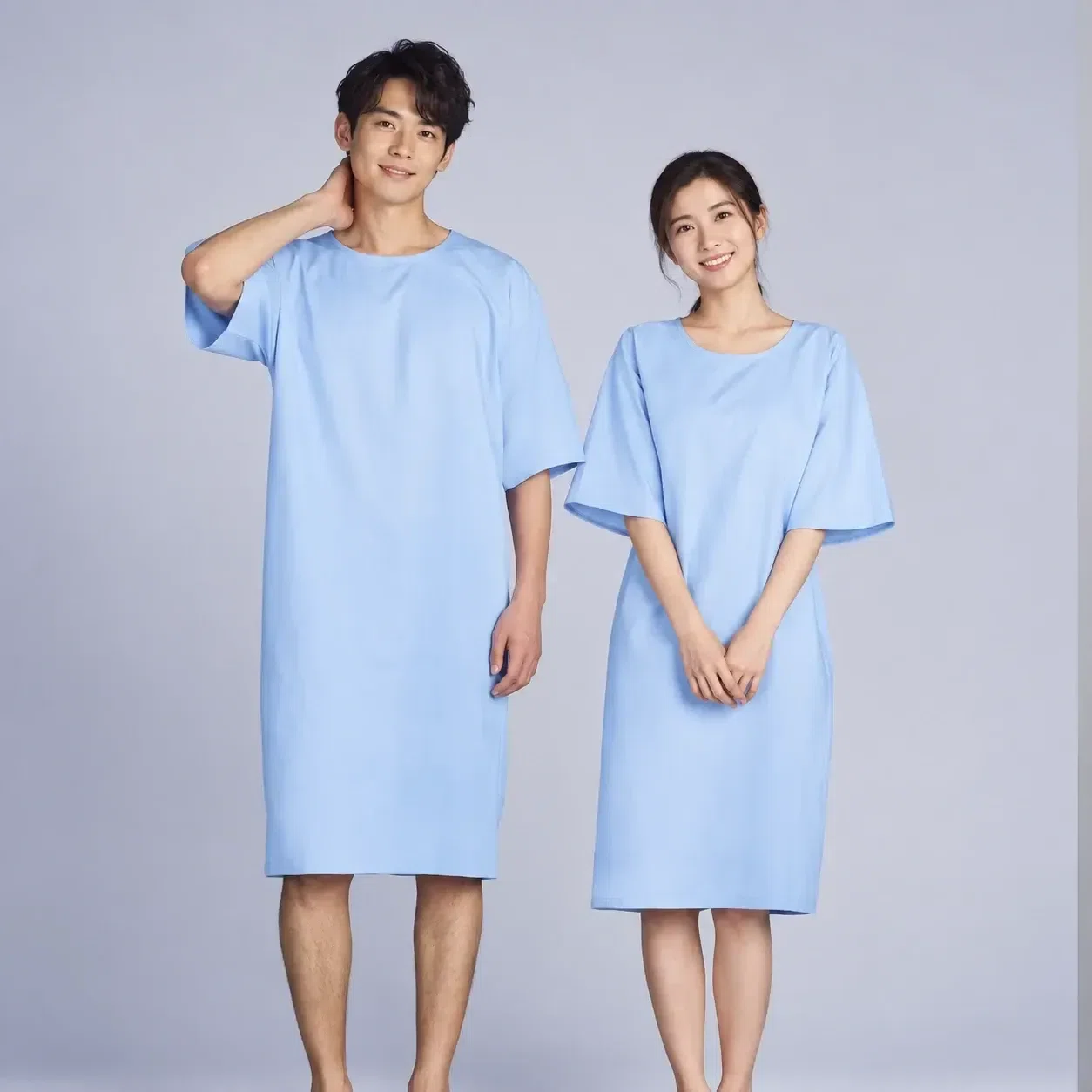
Healthcare uniforms for Kuwait teams should be selected from a clear description of the job and the garment. Before comparing quotations, decide what each role needs and which requirements are essential. Separate a clinical department's clothing from coats used for a specific activity, and identify the facility policy that guides both choices.
A useful comparison sheet records garment type, requested fabric, colour reference, size quantities and decoration. It also identifies any information the supplier must confirm. This makes a quotation easier to assess than a price for an undefined scrub set. Where an alternative is proposed, ask for the difference to be stated so the purchasing team can judge its effect on fit, appearance and care.
Define scrub sets and coats as separate items
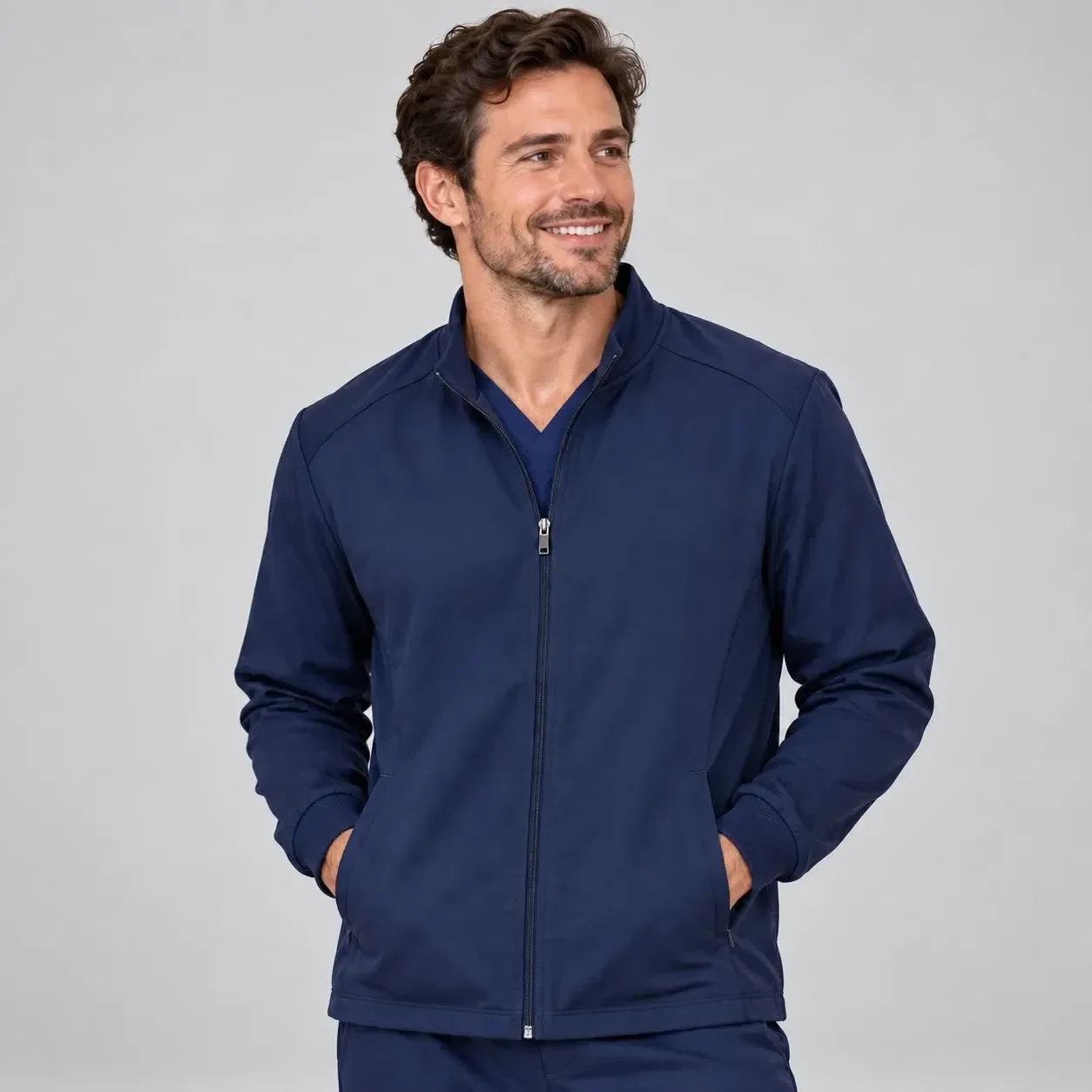
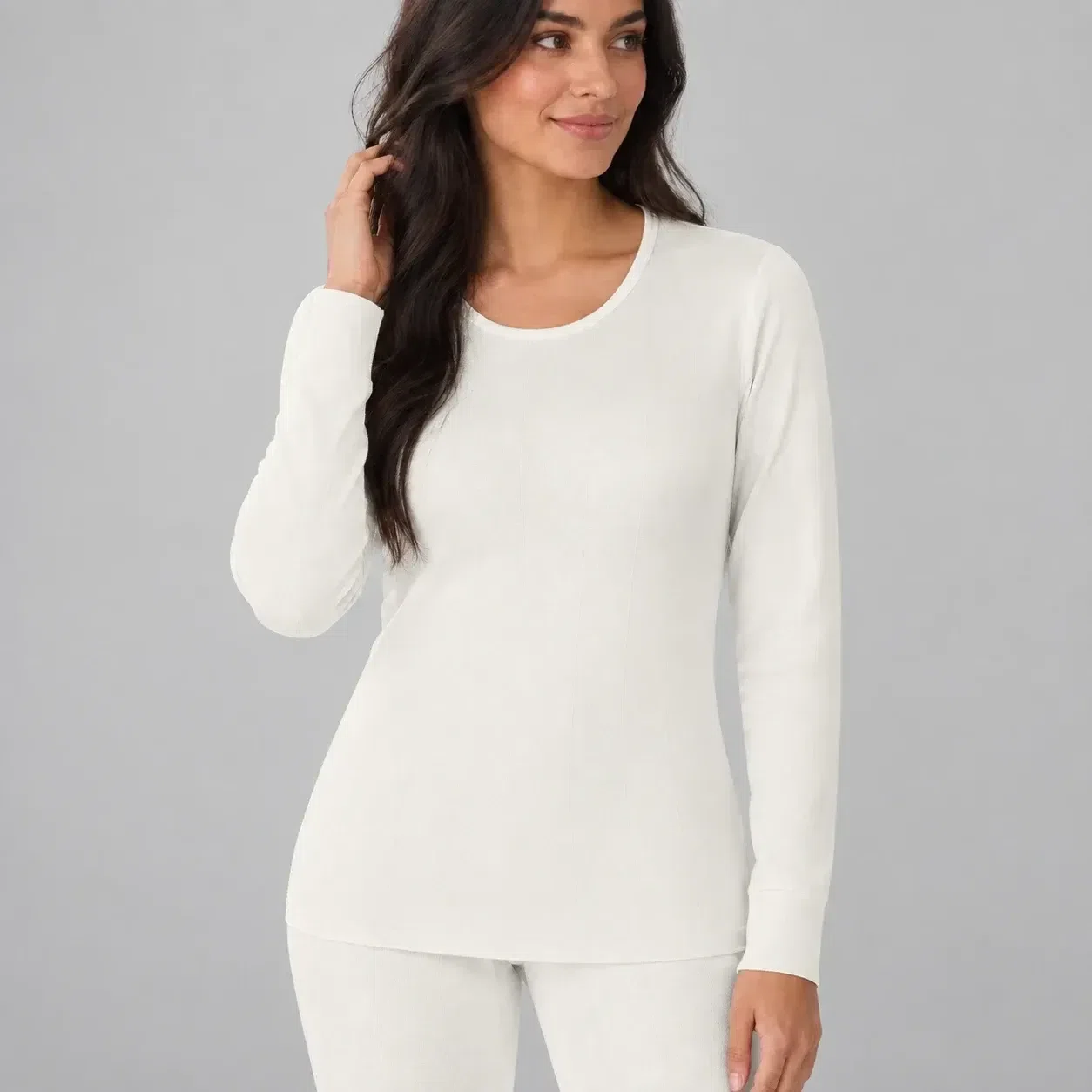
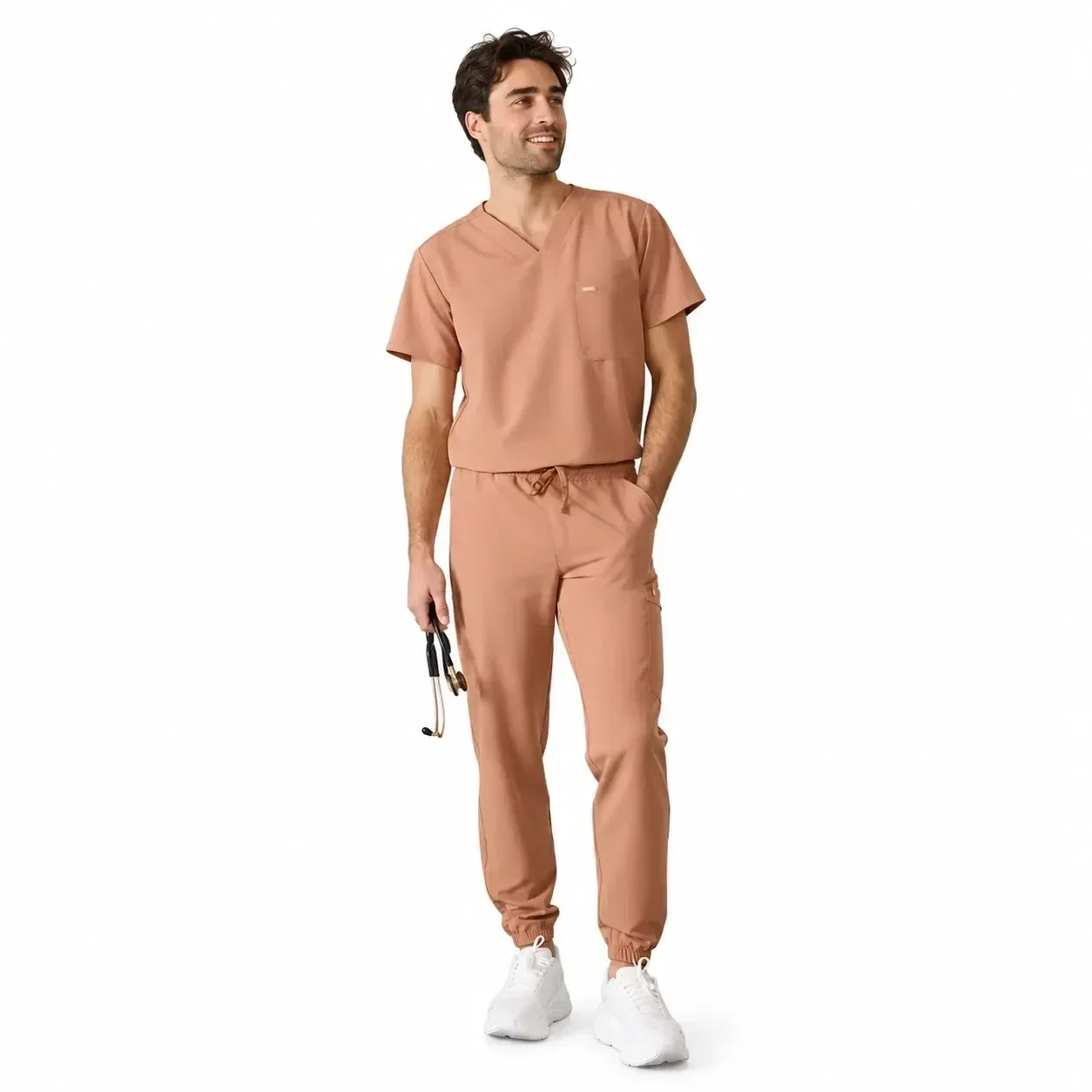
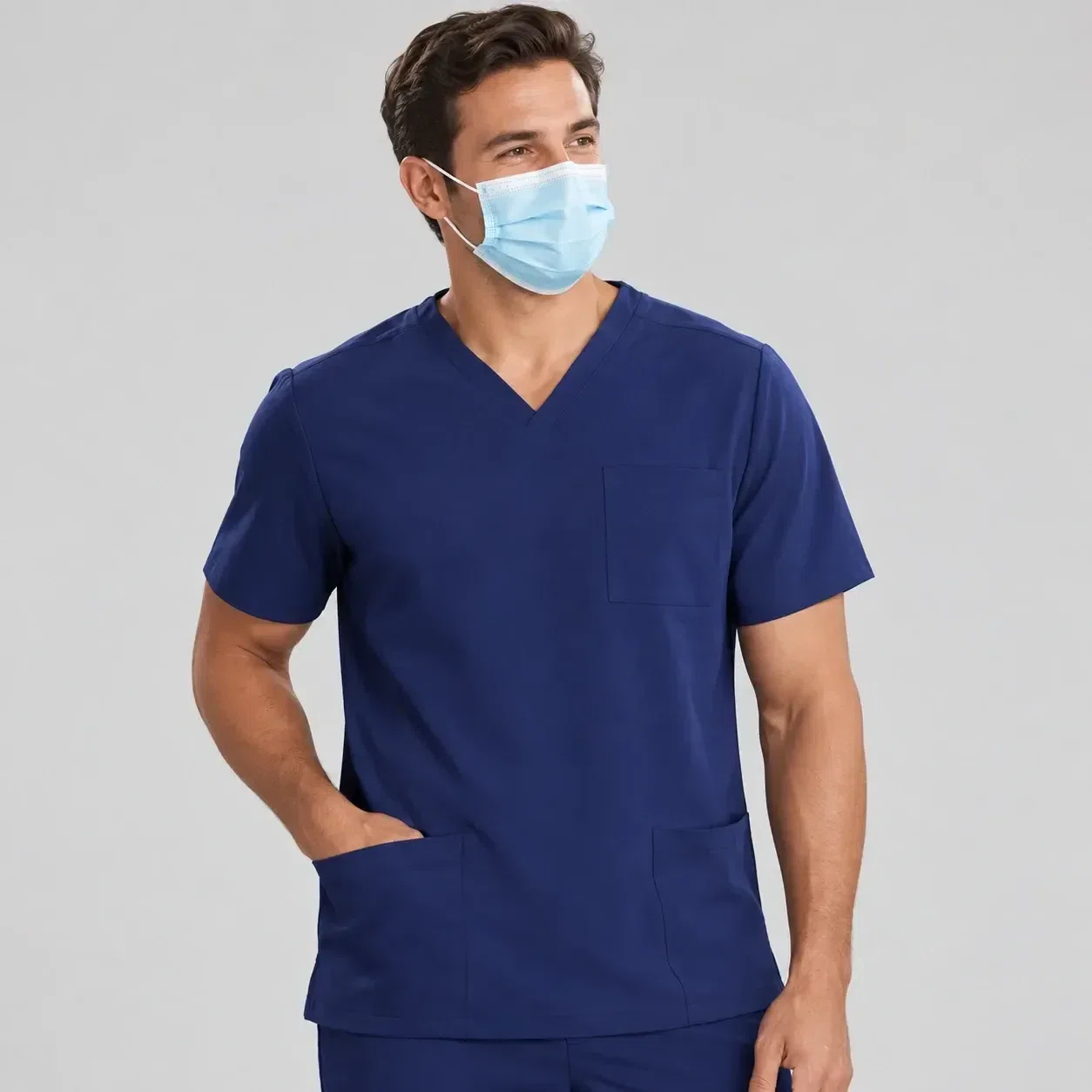
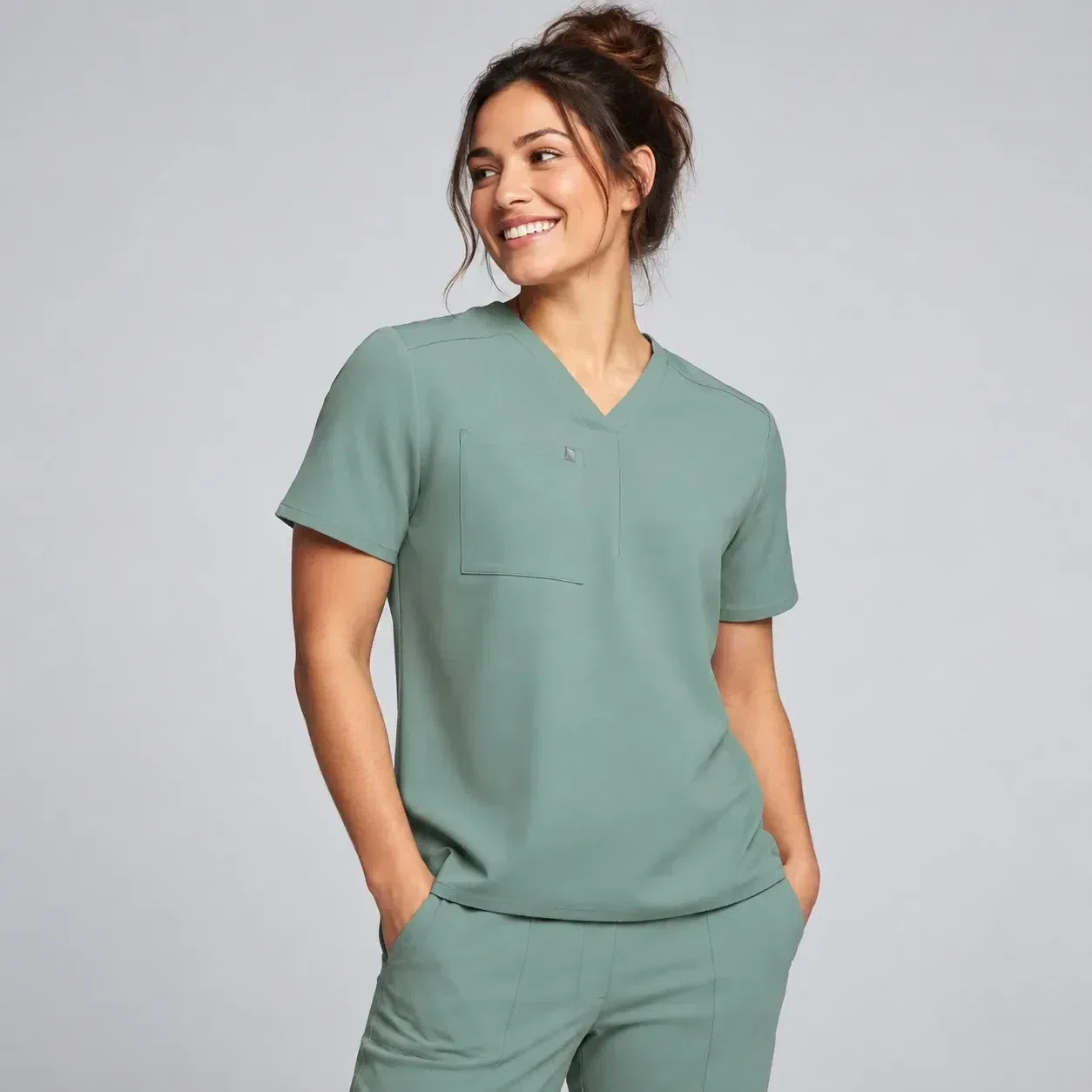
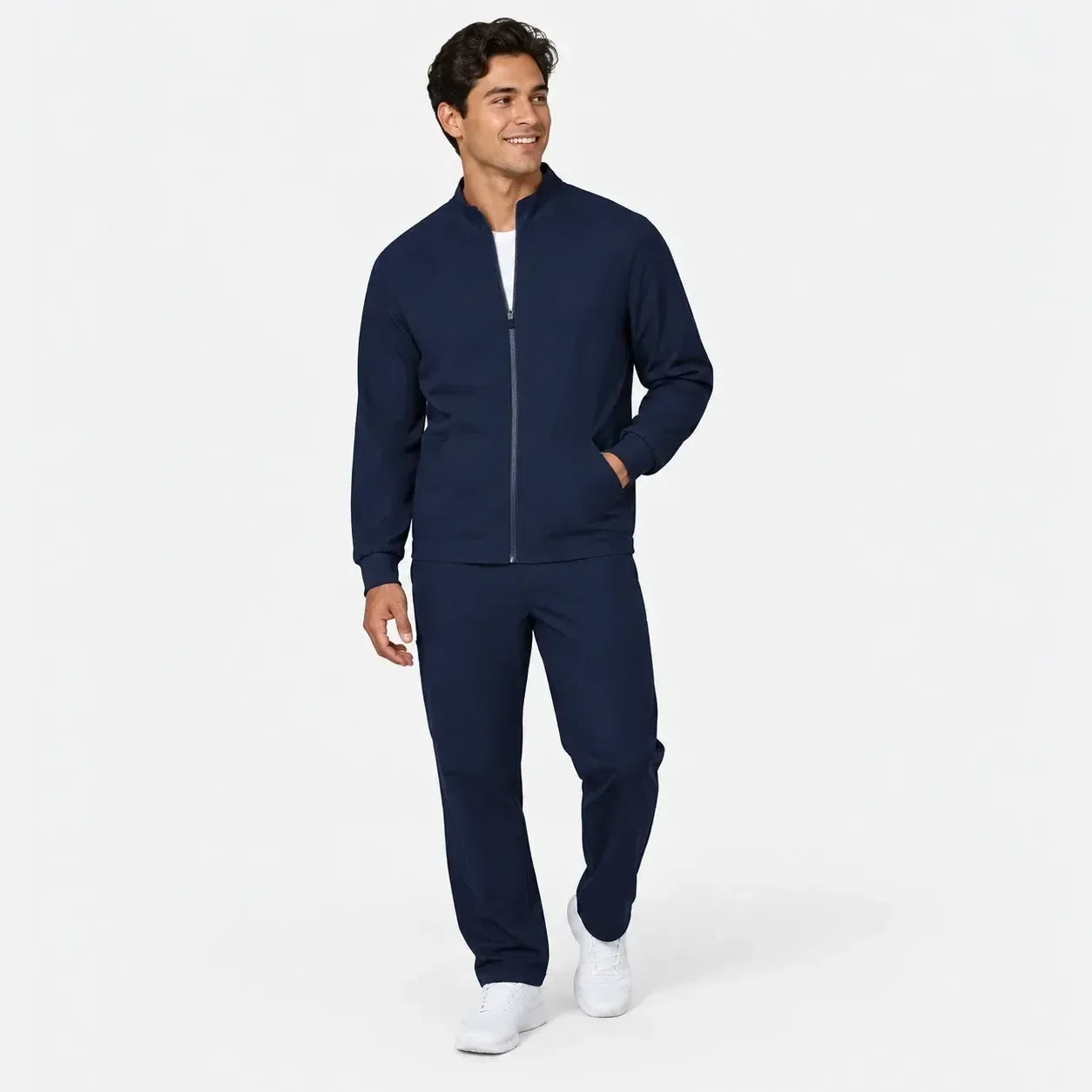
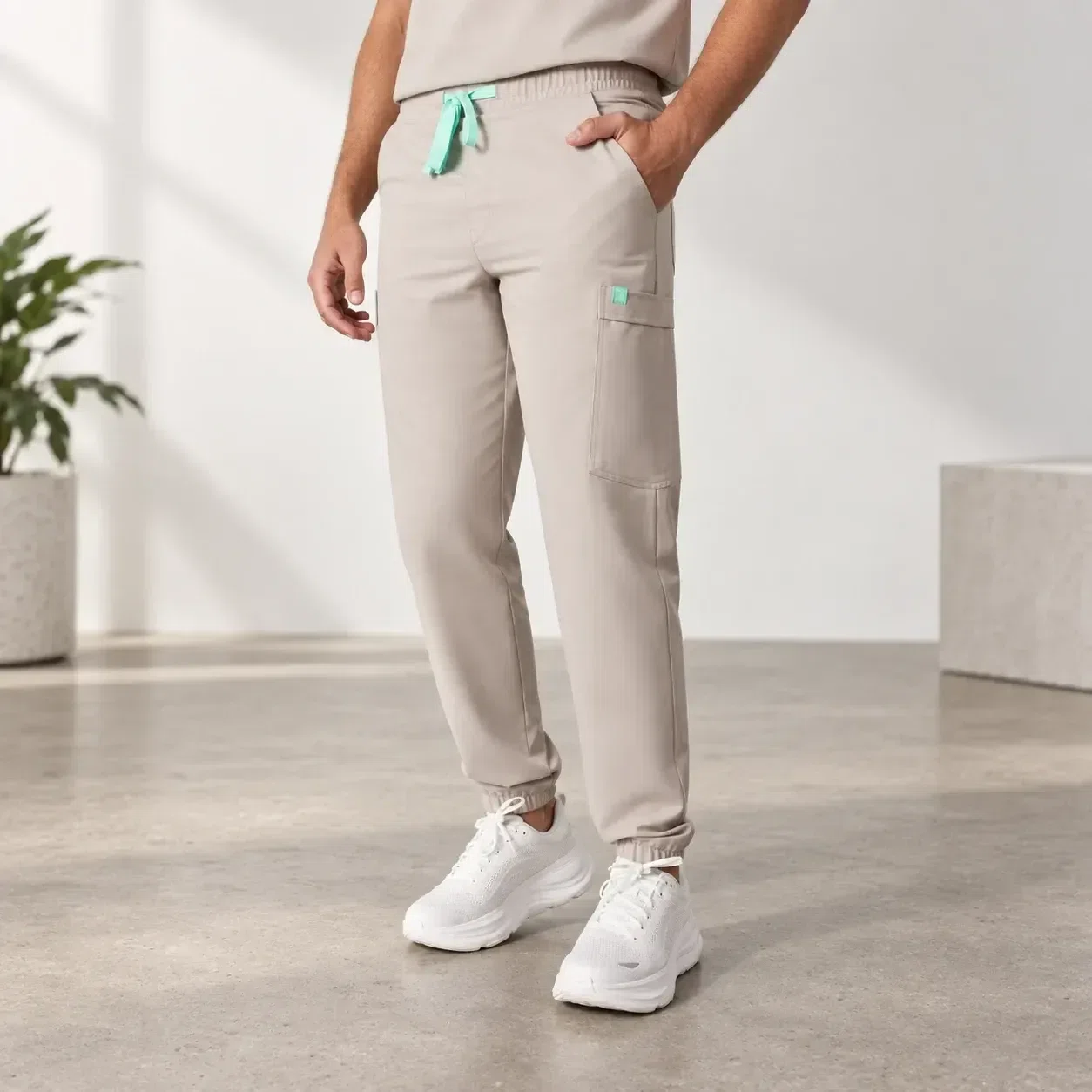
Start with custom medical scrubs where the team's dress policy permits a coordinated set. Explain whether staff require particular pocket positions, garment lengths or coverage when reaching and sitting. Include top and trouser quantities separately if the wearer schedule calls for different sizes rather than assuming one size applies to the complete outfit.
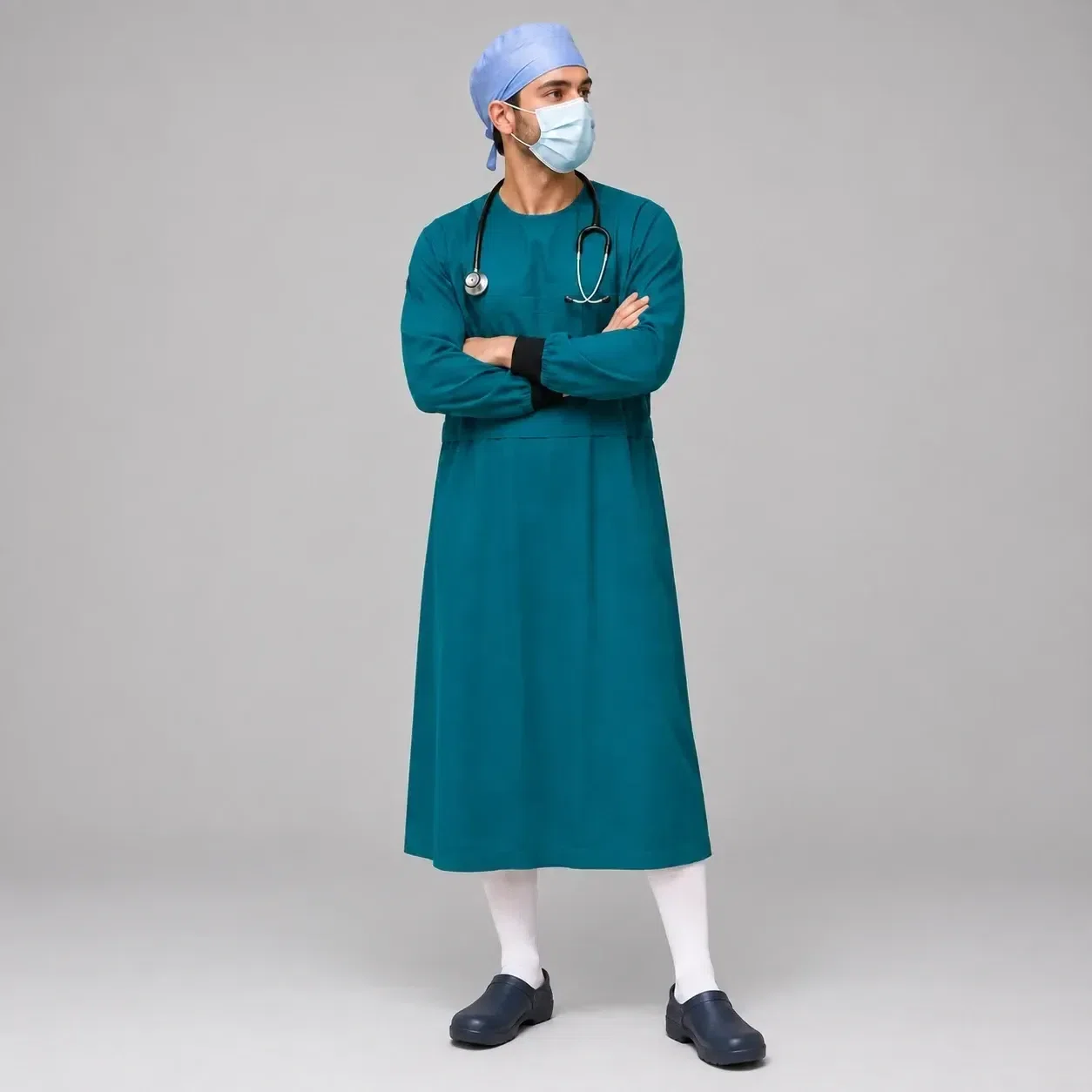
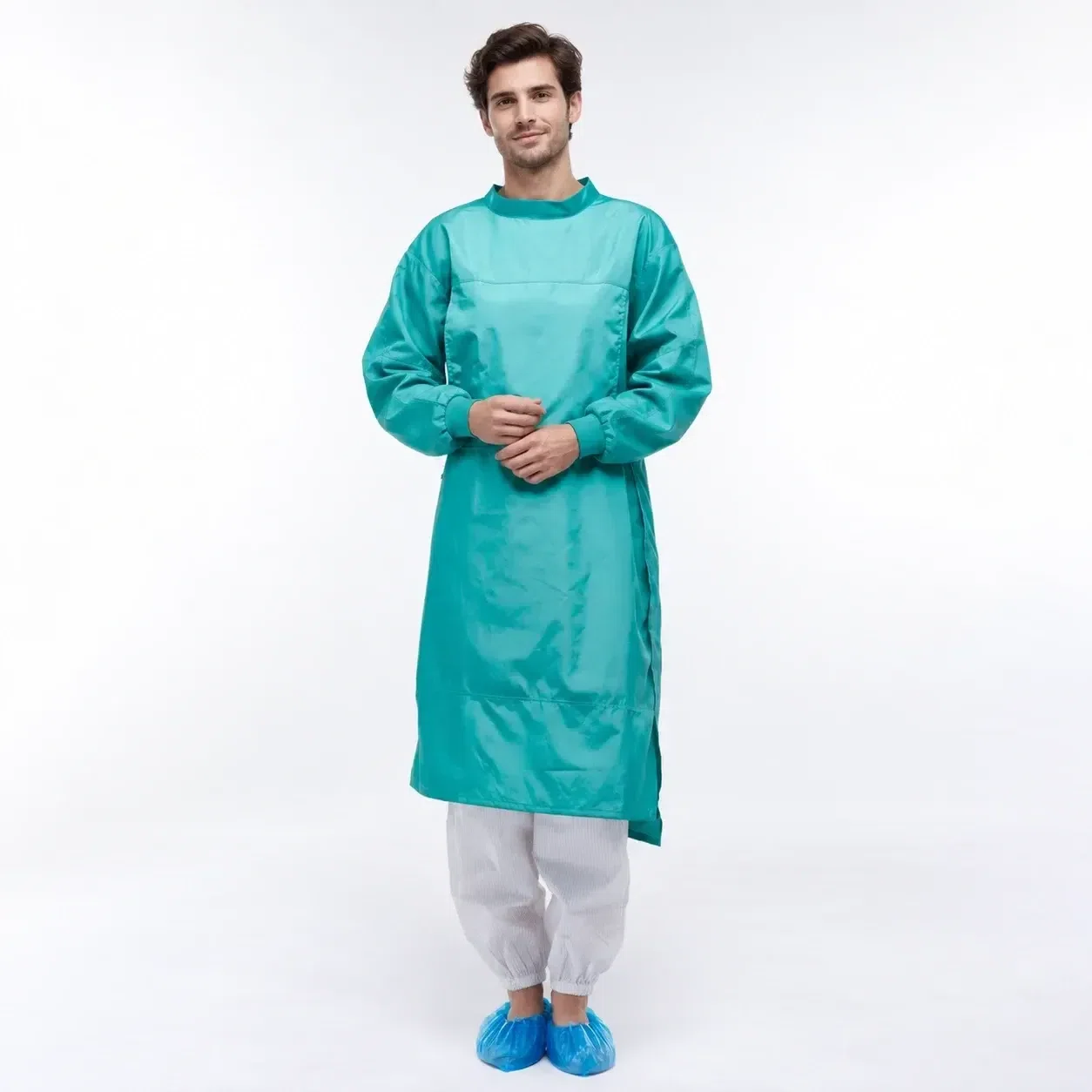
For custom lab coats, record the intended role, length, closure and pocket layout. A coat for consultations and one selected for laboratory work may have different requirements. The facility should assess the actual task and any protective equipment needed. Colour and branding do not establish a coat's medical or protective performance.
Resolve fabric, fit and care before artwork
Ask for the proposed fabric composition and relevant care instructions. If a clinical team follows an established washing process, share those requirements for assessment. Describe the actual working conditions rather than choosing clothing only from Kuwait's outdoor climate; a uniform may be worn mainly in controlled indoor rooms.
For fit, use an agreed measurement guide and label the units clearly. Record the proposed garment measurements alongside the wearer's size choice where needed. Check whether staff can bend, reach and sit without the garment restricting them. Treat a request for a different sleeve or longer cut as a specification to discuss, rather than an assumed feature of every product.
Any antimicrobial, fluid-resistance or other performance requirement needs product-specific evidence. State it as a requirement for evaluation, and ask what documentation supports the proposed garment. Avoid turning a general fabric preference into a claim that the finished clothing meets a healthcare standard.
Keep purchasing documents in their proper scope
Kuwait's Central Agency for Public Tenders publishes registration material for foreign applicants. That creates a separate documentation task when the buyer's purchasing route requires it. Ask the organisation's procurement lead to identify the current applicable procedure and documents before relying on a supplier quotation for a public-sector submission.
The existence of a registration process does not mean every private clinic order uses it. Keep the tender or vendor requirement separate from the garment brief, and name the person responsible for confirming it. StitchBase's custom manufacturing offer does not establish CAPT registration, eligibility for a particular tender or an existing Kuwait customer relationship.
Approve a traceable design and quantity record
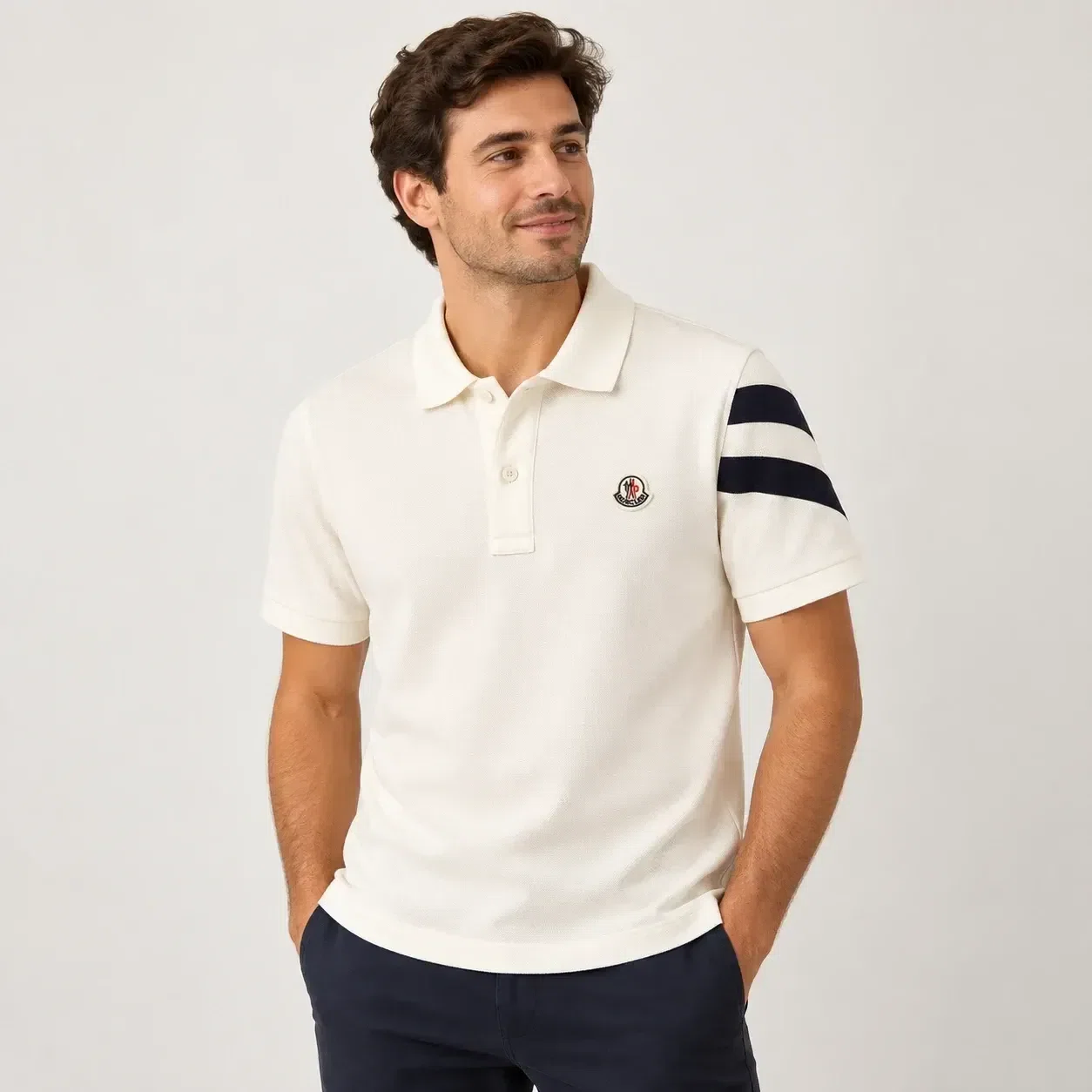
StitchBase supplies free mockups before production. Review the logo size, position and colour reference on the proposed design, then record the accepted revision. Supply staff names in a checked list if personalisation is requested. For Arabic artwork, ask production to confirm the lettering and decoration method; preserve the original approved artwork for review.
If you need a physical sample, state whether it is for sizing, decoration, fabric or an internal acceptance procedure. Confirm its availability and terms separately from the mockup. Keep approvals attached to the same garment and quantity schedule so a revised logo does not accidentally overwrite an accepted size allocation.
Send the final enquiry with the Kuwait destination, intended consignee, required date and any purchasing documents. Ask the team to confirm current service availability, production expectations, shipping arrangements and duty or tax responsibility. These details should appear in the offered terms before an order proceeds. Retain the approved specification for future replacement enquiries so the original team appearance remains the reference.