
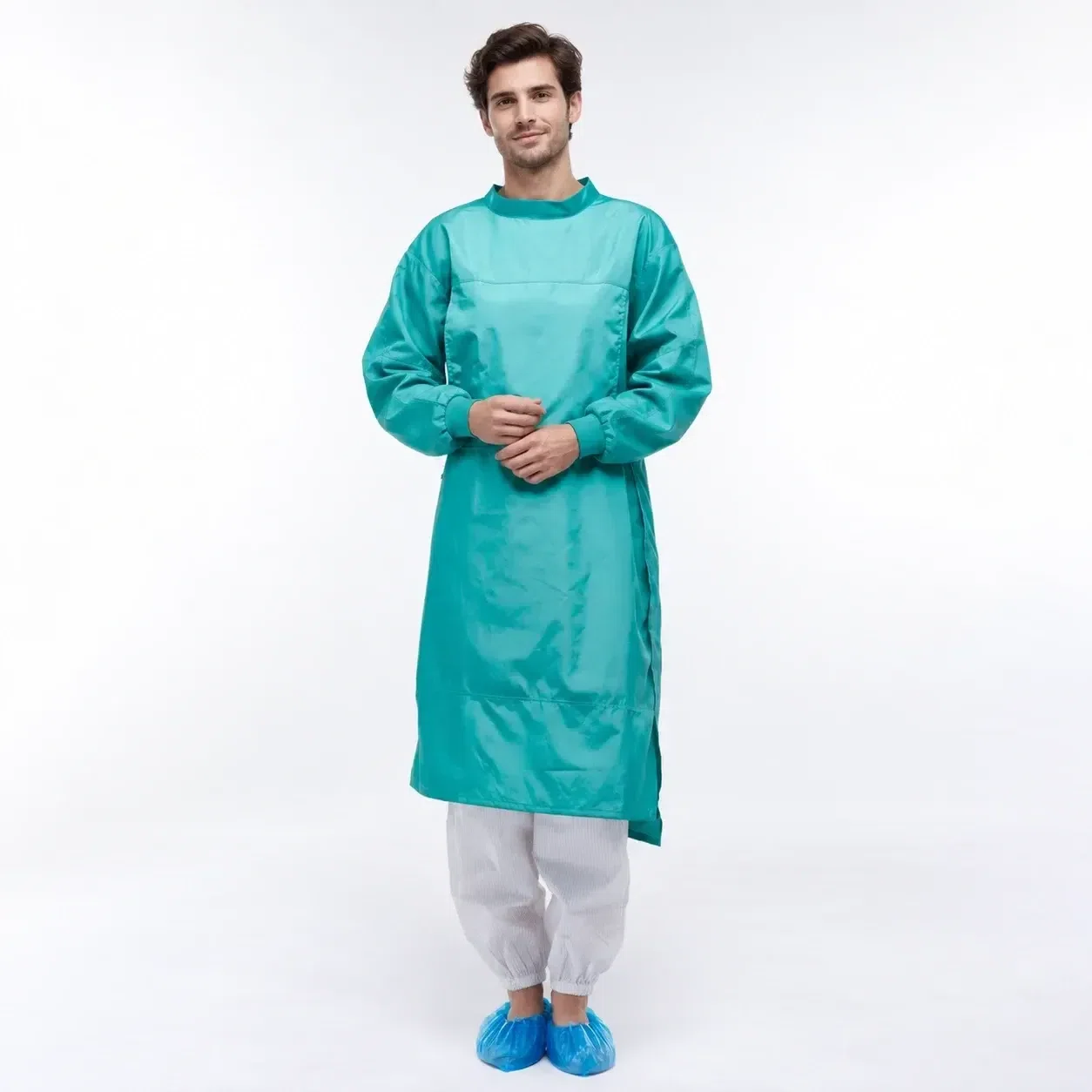
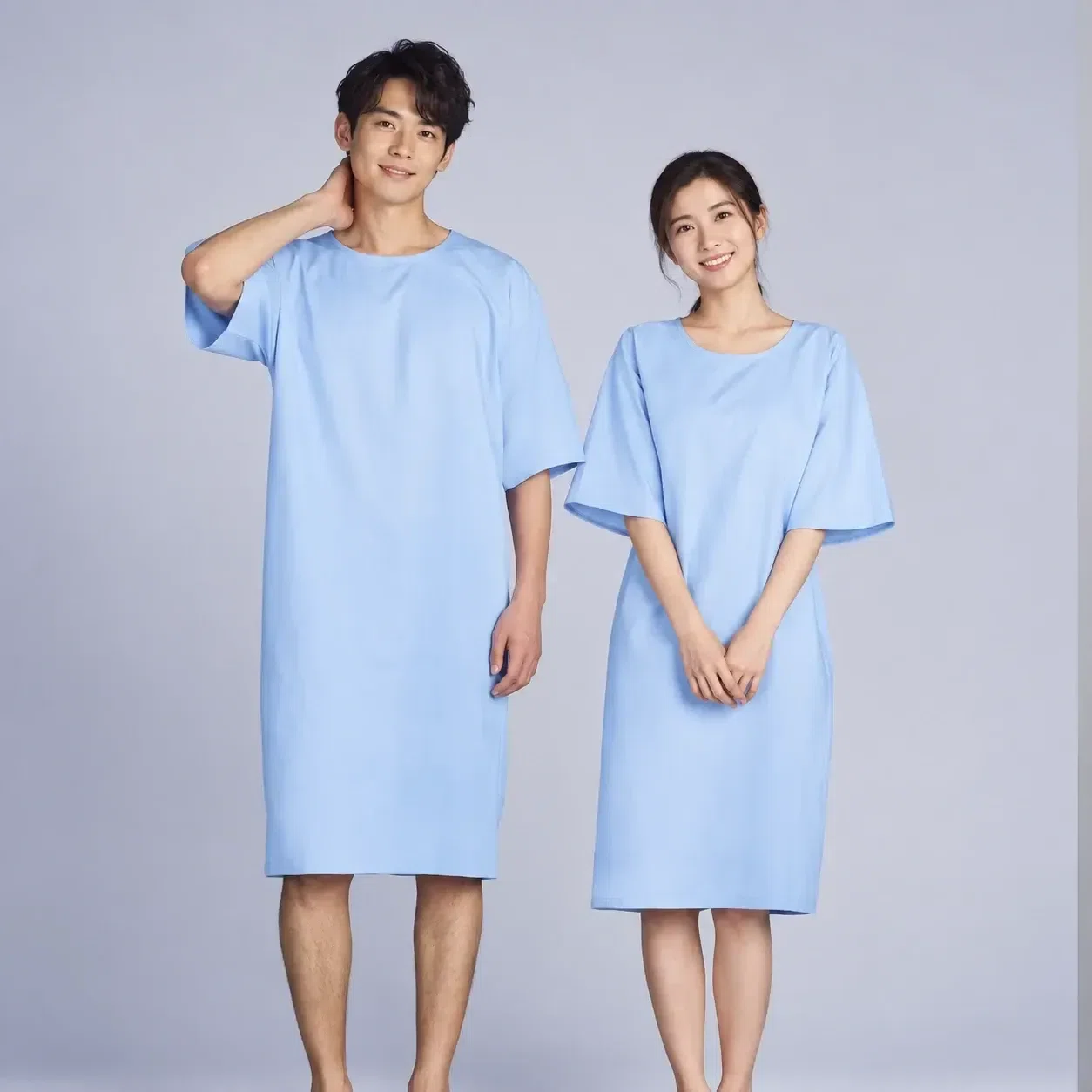

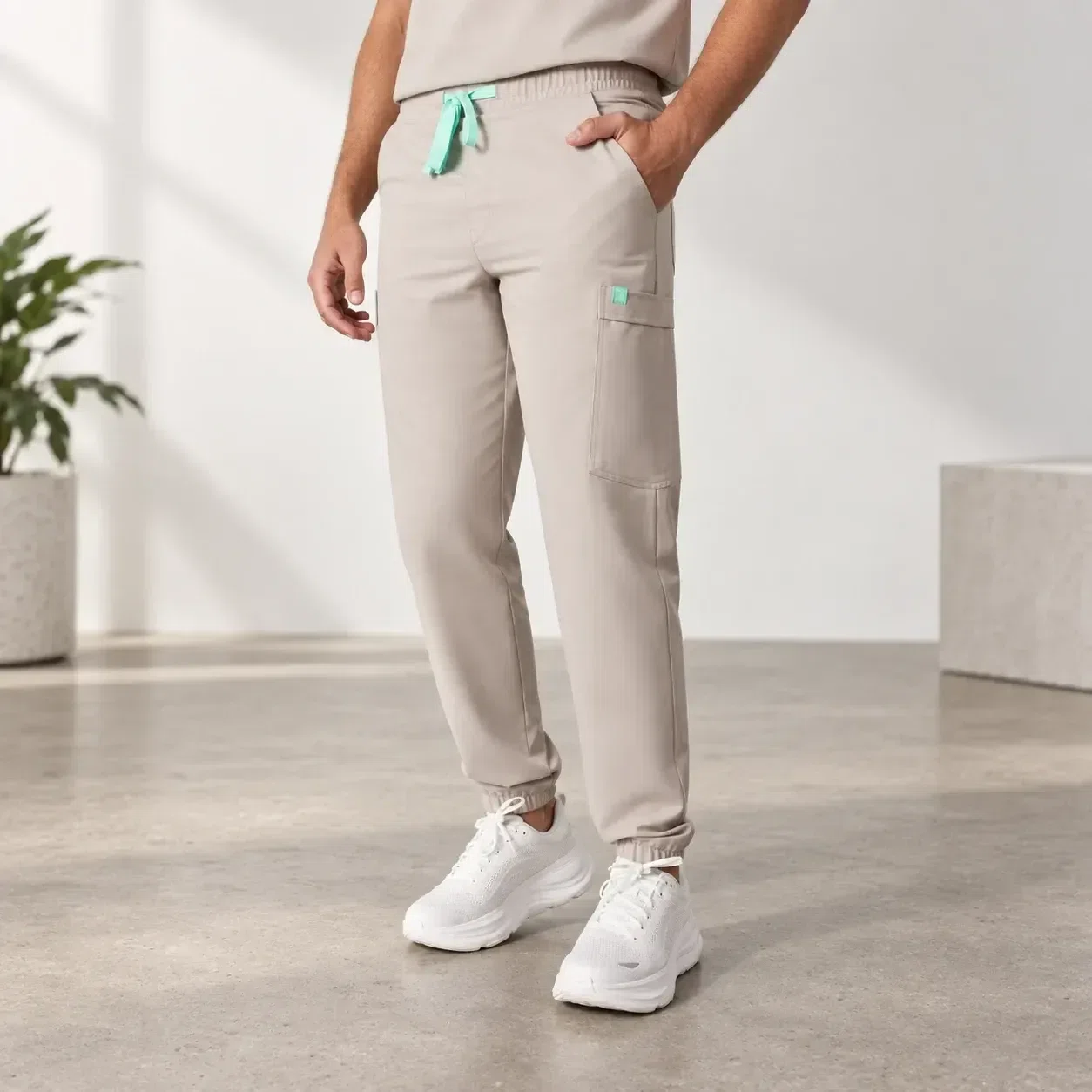
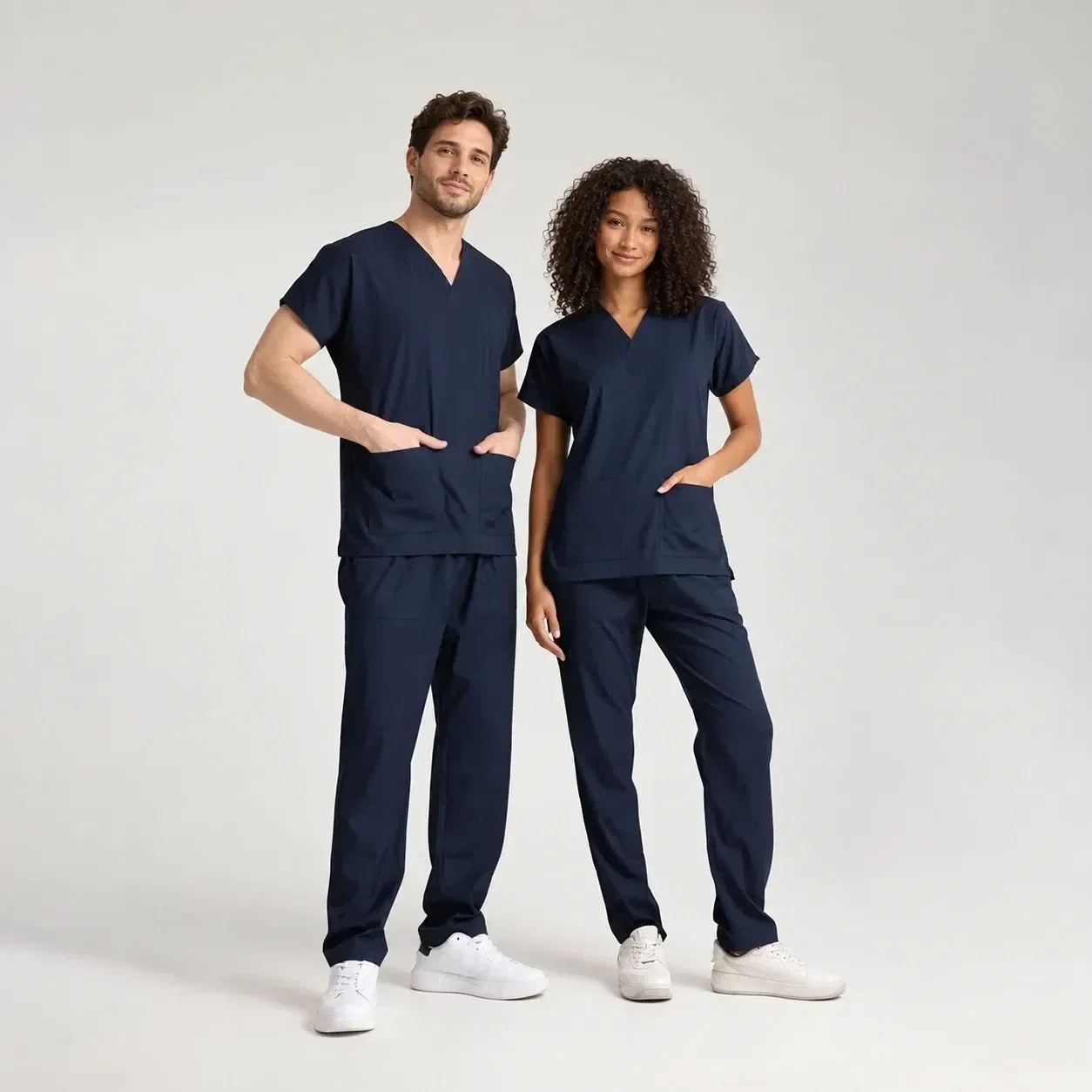







Start with the practice's uniform requirements
A medical centre needs a clear record of what each team wears before it can compare uniform quotations. Nurses, dental staff and allied-health practitioners may share a logo while needing different cuts, pockets and garment lengths. Separate these requirements from personal preferences and record which choices the practice manager must approve. Begin with your workplace's current dress and infection-prevention policies, particularly where employees also work at another facility.
For New Zealand practices considering a custom order, healthcare uniforms involve two decisions: whether the proposed garments suit the work and whether the supply arrangement suits the organisation. StitchBase Uniform can review a brief for scrubs, lab coats and nursing apparel. Give the team your New Zealand destination at the outset so it can assess the proposed order and confirm any available supply arrangement. Avoid setting a changeover date until the order stages have been agreed.
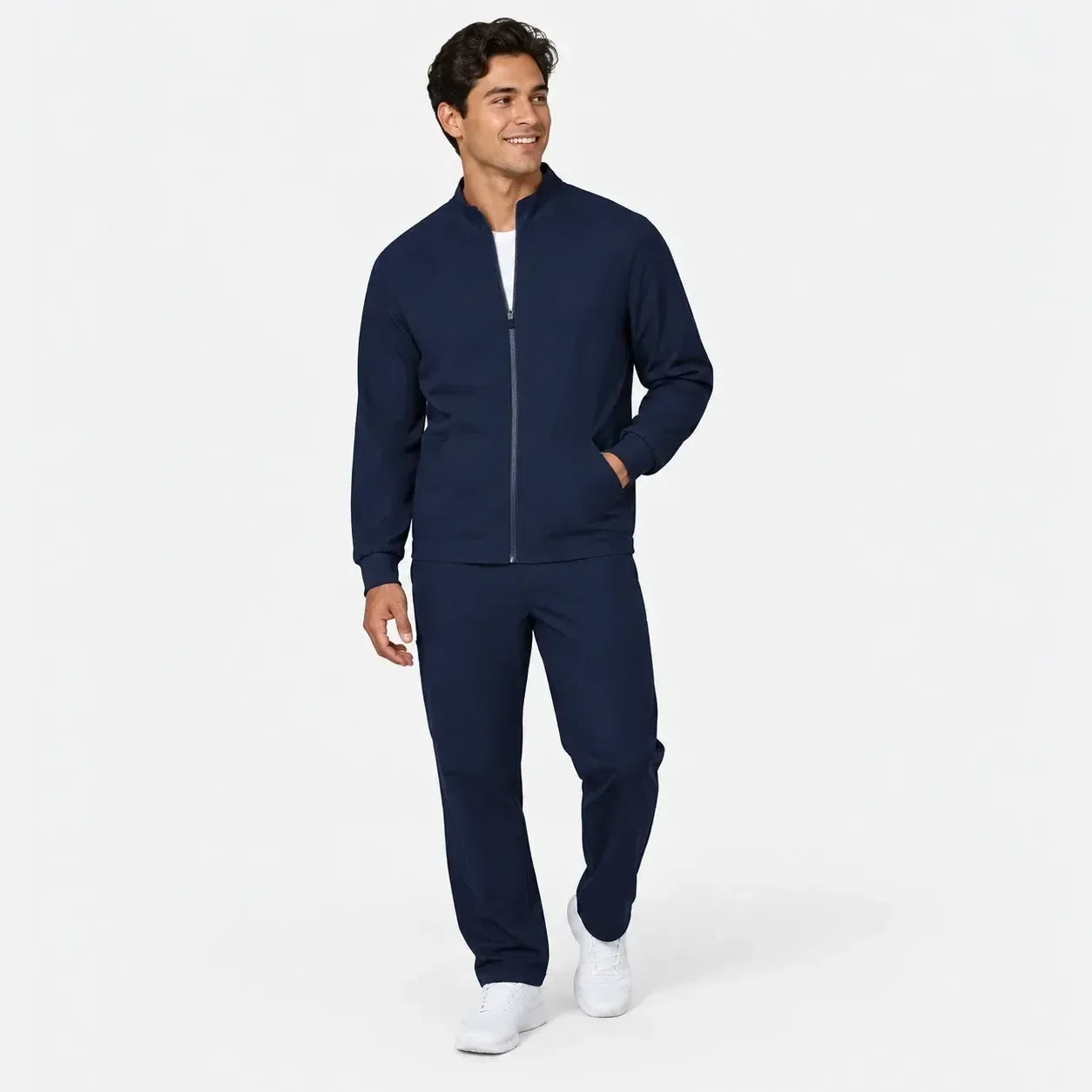
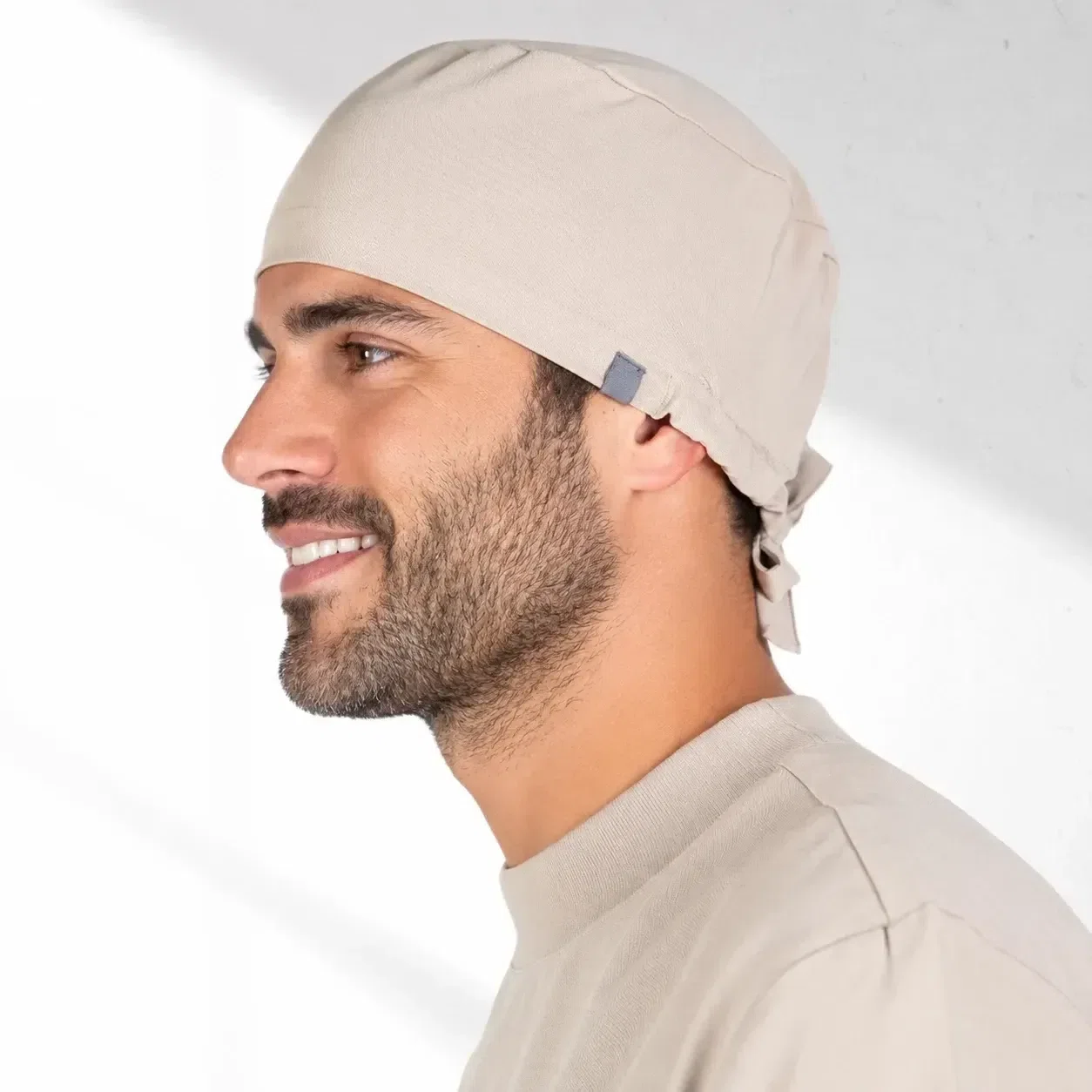
Choose garments by role and working routine
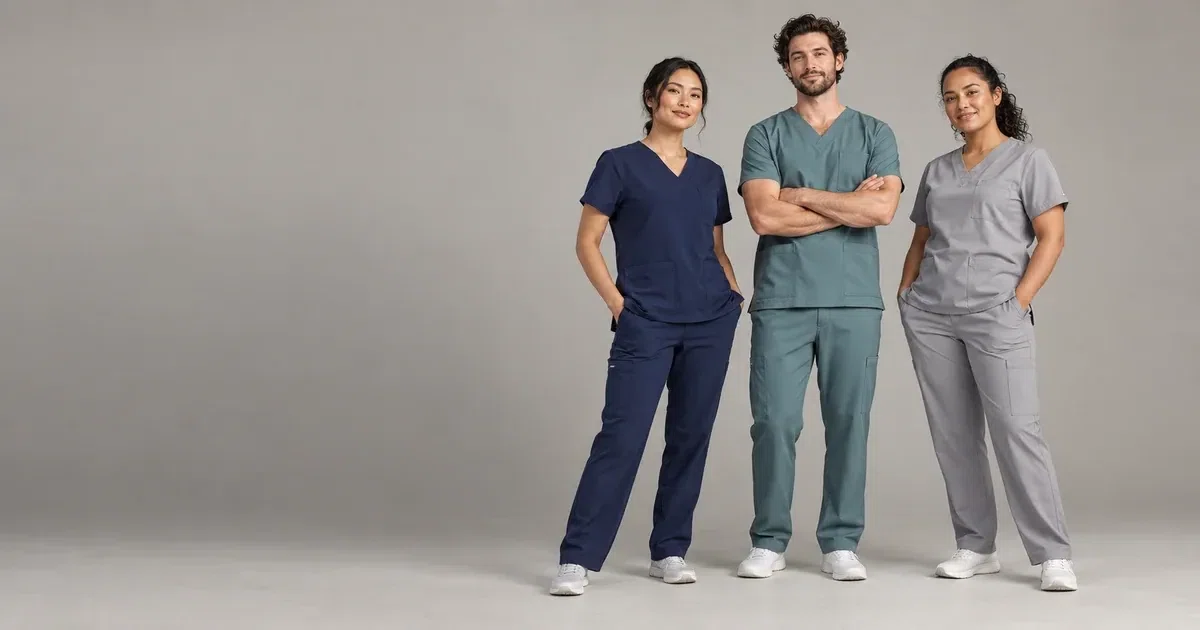
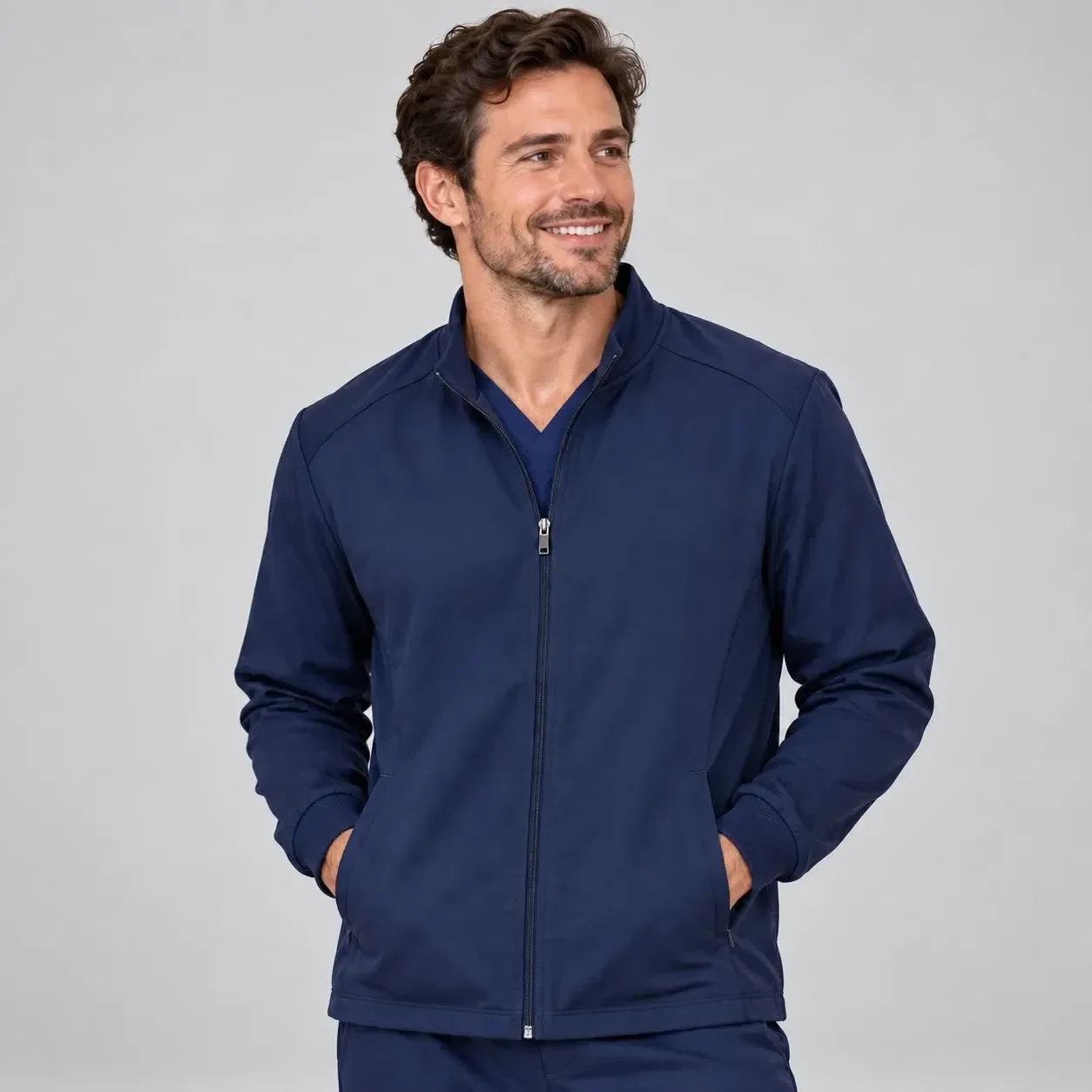
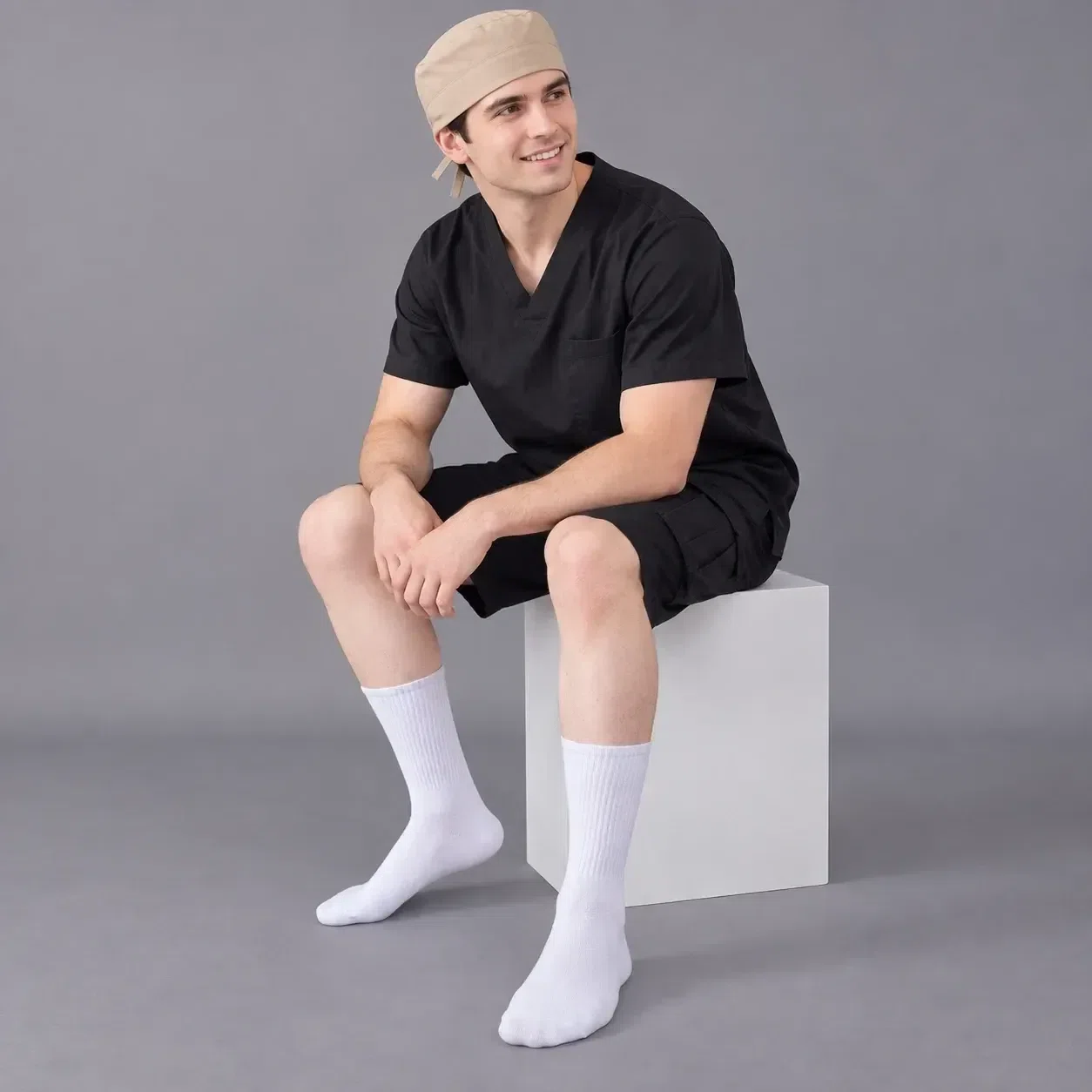
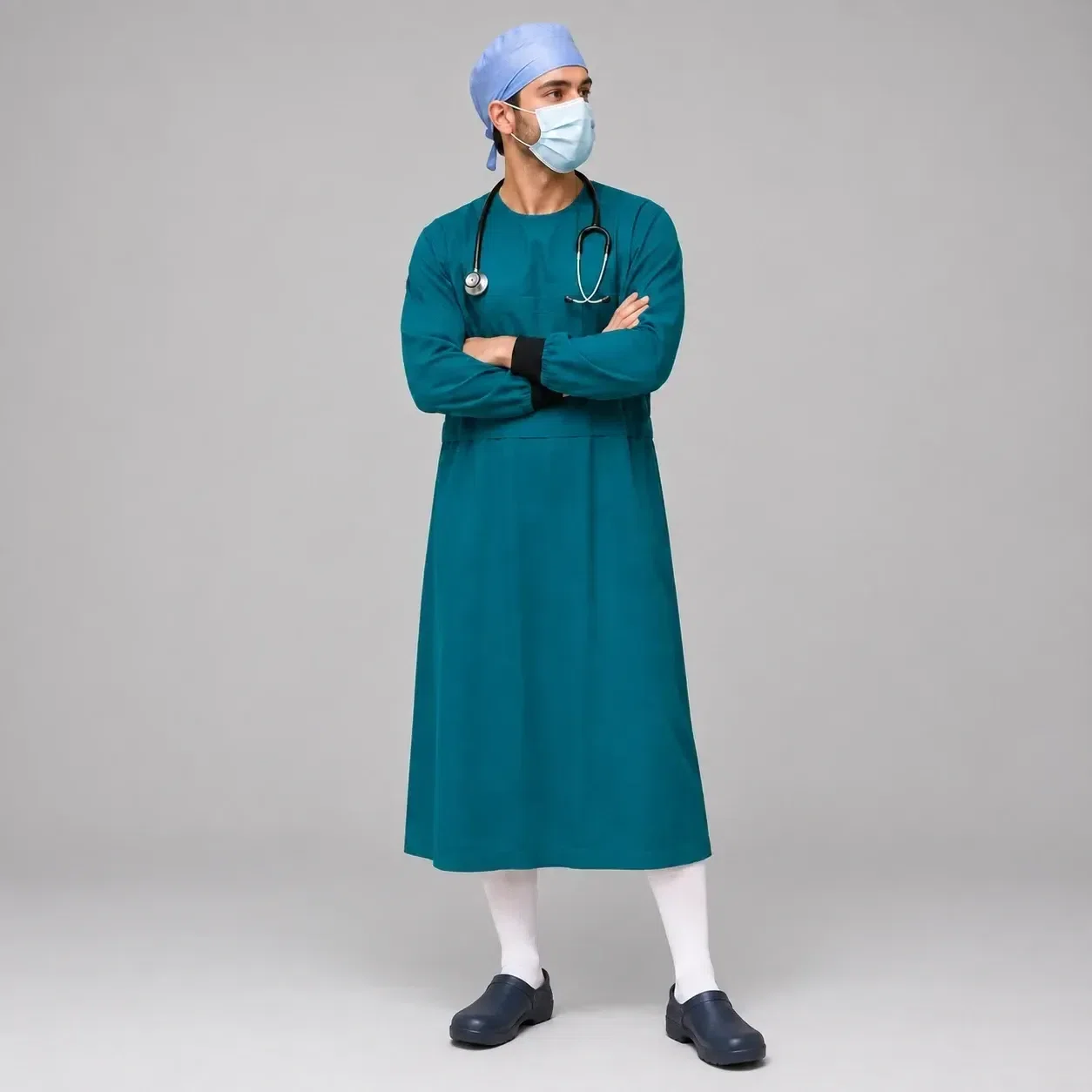
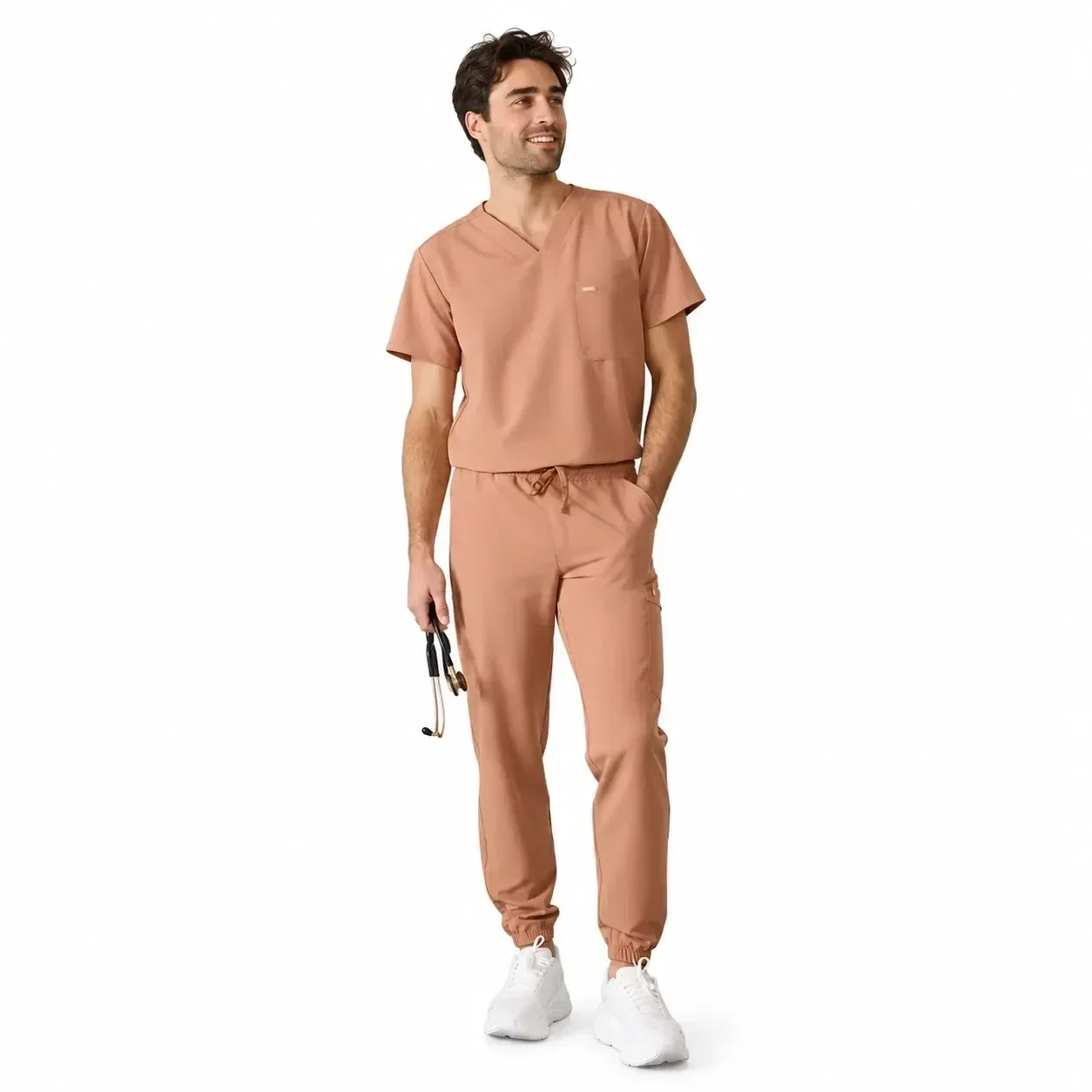
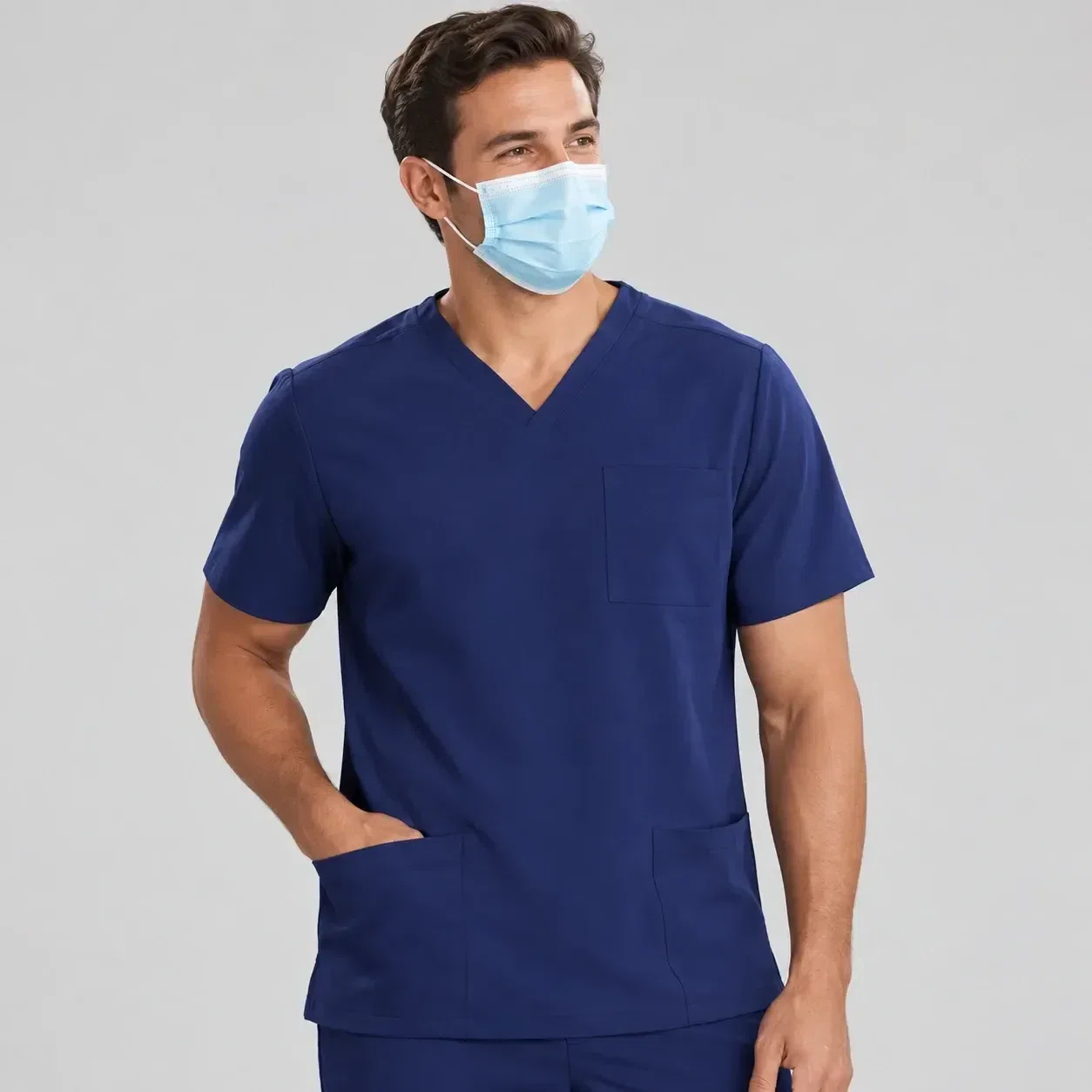
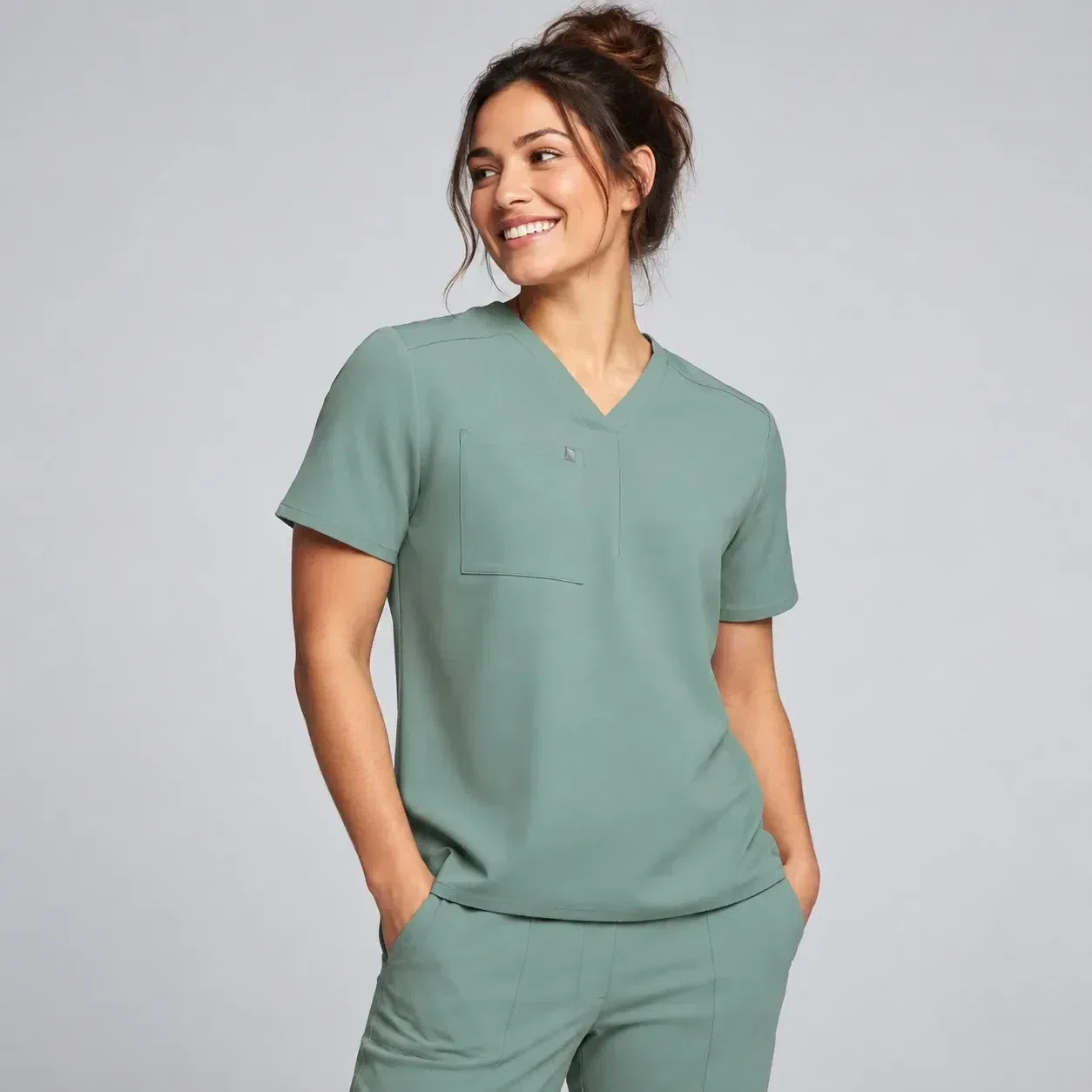
Use custom medical scrubs as a starting point when comparing coordinated tops and trousers. Specify whether staff need matching sets or separate items, then give each colour and style its own quantity. A dental practice may want one consistent identity across practitioners and support staff; an aged-care team may need to distinguish roles without complicating replacement orders. Those are decisions for the organisation's approved uniform plan.
Ask for the proposed material composition, garment measurements and care instructions. Compare them with the laundering routine your workplace actually uses, including any external laundry requirements. If a purchasing brief calls for a tested property, request documentation for the exact garment. The name of a product category cannot establish protective performance. Keep required protective equipment within your organisation's clinical procurement process and assess ordinary staff clothing on its own specification.
Collect sizes before approving decoration
Use the selected garment's chart and record measurements in centimetres. Collect top and trouser sizes separately rather than assigning a complete set from a single size label. Where staff need different cuts or lengths, show them as separate order lines. This makes the fit discussion clearer and prevents a substitute style from being approved without the affected employee's review.
For a New Zealand clinic coordinating approval remotely, nominate one person to collect the roster and one person to sign off the final artwork. StitchBase provides free design mockups before production. Review logo position, spelling and role text against the approved roster. Embroidery, printing and woven labels are available company capabilities, with the method selected for the garment and design. If physical samples are needed, ask for the sample arrangements, cost and timing before committing to the main order.
Clarify the New Zealand importing responsibilities
New Zealand Customs treats items used by a business as commercial goods. Its importing guidance asks businesses to arrange the relevant clearance and pay applicable duties and GST. For commercial imports valued at NZ$1,000 or more, Customs identifies a client code as part of entry preparation. Check the requirements for the actual shipment with Customs or the appointed broker; a clinic buying uniforms for its staff should not assume that personal-shopping arrangements cover its business purchase.
Before comparing an overseas quotation with a local offer, identify the importer, clearance contact and delivery destination. Ask whether the proposed price includes freight, border charges and any final delivery costs, and who handles each payment. Give the supplier your organisation's legal name and the broker's instructions where applicable. Keep garment descriptions, quantities and invoice details consistent with the agreed order. Exact charges depend on the shipment and classification, so use confirmed figures for the purchase rather than an assumed apparel duty rate.
Prepare a practical quotation and reorder record
Provide the New Zealand street address, postcode and receiving contact, including any access or delivery restrictions. Explain whether one address receives the complete order or different facilities need separate consignments. Ask the proposed supply plan to identify production, dispatch and transport stages individually. A sample review, clinic opening or staff induction may need garments earlier than the eventual uniform changeover. Record the first date the items must be available and ask whether that date can be supported.
Your enquiry should include garment types, quantities by size and colour, required specifications, approved artwork, logo positions and sample requirements. Keep the signed mockup, size chart and colour reference after approval. For later starters, request the minimum quantity and matching conditions for a repeat order; do not assume that the initial terms automatically continue. Send your requirements to StitchBase Uniform for an assessment of the proposed New Zealand order, with availability, commercial terms and delivery confirmed before purchase.