

Choosing between embroidery and screen printing for work uniforms starts with the garment, logo and working conditions. A compact stitched logo often suits a polo or jacket. A large printed graphic often suits a smooth T-shirt. Neither method is automatically the cheapest or most durable choice for every order.
The useful question is which finish will keep your branding clear, feel comfortable and fit your uniform budget. This guide explains the trade-offs and gives you a checklist for comparing supplier proposals.
Embroidery vs screen printing: the practical differences
Embroidery uses a digitised stitch file to guide a machine that sews a design into fabric. It creates a textured finish, with thread visible on the surface. The artwork needs to be translated into stitches, so the finished result can differ from the original digital logo.
Screen printing applies ink through a mesh stencil. Separate screens are typically needed for different ink colours, and some designs require additional layers. The result depends on the ink system, fabric, artwork preparation and curing process.
Use this comparison to shortlist an option, then assess a sample on the actual garment.
Start with fabric, placement and wearer comfort
A logo that looks good on a jacket may behave differently on a lightweight stretch top. Embroidery needs suitable support beneath the stitching. Screen printing needs a compatible surface and ink system.
For custom embroidered polo shirts, check that the logo stays readable without pulling the surrounding fabric. Dense designs can create puckering when preparation is unsuitable. Madeira's guidance on preventing embroidery puckering identifies stitch density, tension, needles and backing among the factors that need adjustment.
Ask to feel the reverse of the embroidery as well. Backing and placement matter when a garment sits against the skin or beneath another layer.
For screen-printed polyester, ask how the supplier manages dye migration: garment dye can discolour the print. Avient describes bleed-blocking inks for polyester and blends, illustrating why the ink system should match the fabric.
Placement also changes the decision. Seams, pockets, zips and curved panels can restrict decoration. Check the proposed position on the smallest garment size, where usable space may be tighter.
On waterproof garments, needle holes can affect water protection. Madeira discusses this issue in its workwear embroidery guidance. Ask the garment manufacturer to approve the decoration approach rather than assuming the finished item retains its original performance.
Compare logo detail and brand appearance
Illustrative product styling
Compare embroidered polo options
See a product example, then confirm your garment, logo size and placement against an approved sample.
View embroidered polos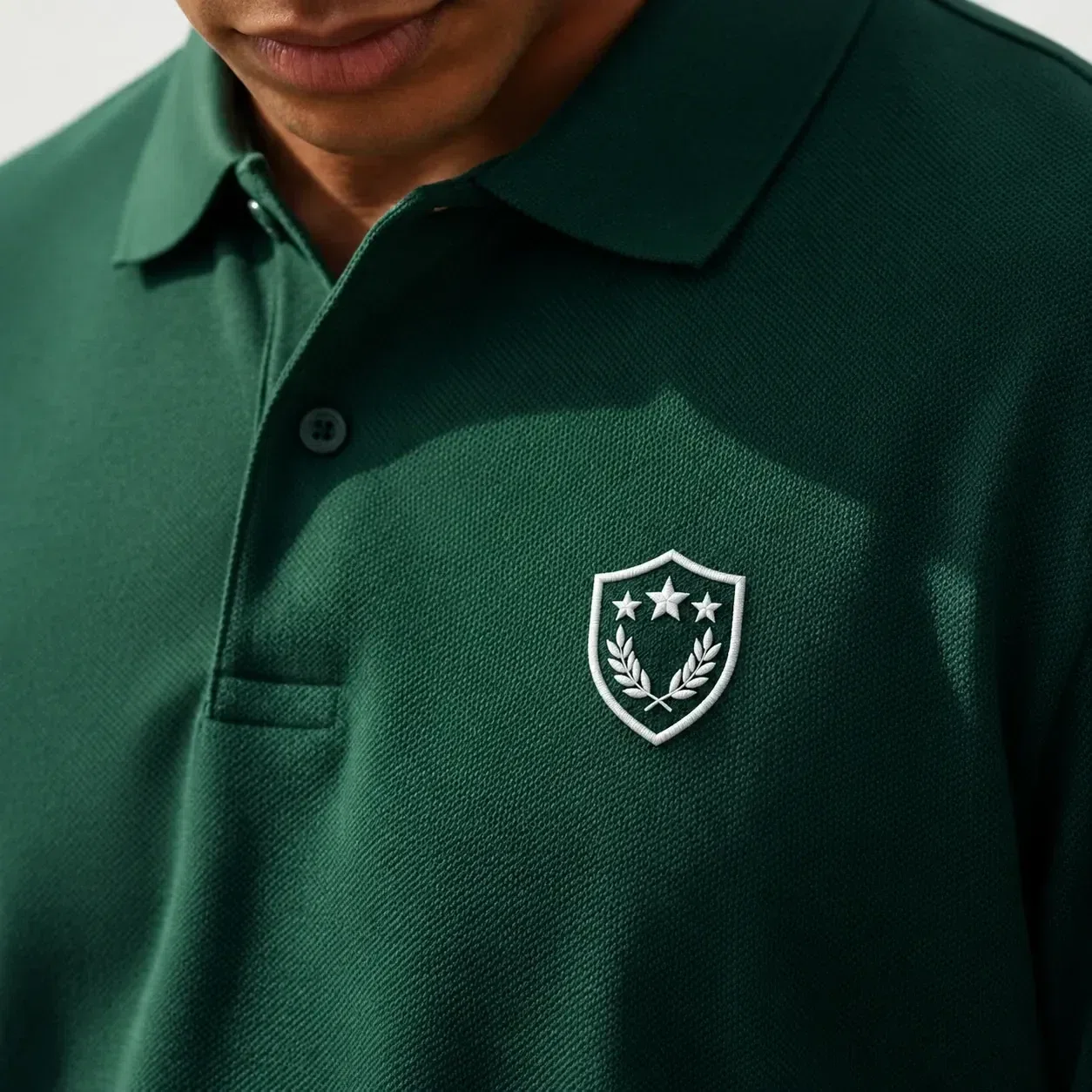
Embroidery gives branding dimension and can suit a formal uniform programme. However, a small tagline, narrow outline or densely filled symbol may need changes before it stitches clearly.
Screen printing often suits larger graphics and a flat finish. Gradients and photographic effects require suitable artwork separation and printing expertise; they are not automatically straightforward because the design is printed.
Before requesting quotes, identify which brand elements are essential. You might keep the full logo for a large back print while approving a simplified mark for a small chest placement. Have your brand owner approve both versions.
For corporate logo embroidery, assess the proposed stitched interpretation at its finished size. An enlarged image on a screen can hide readability problems that become obvious on a garment.
Which lasts longer under your wash conditions?
There is no dependable universal wash-life figure for either method. Wear, fabric, decoration materials and laundry conditions all affect the result. A claim that embroidery always survives a particular number of washes needs evidence for the specific decorated garment.
Some embroidery threads are designed for demanding laundry processes. Madeira identifies industrial-laundering suitability for its Polyneon range while distinguishing other thread types. That is evidence about specified threads, not proof that every embroidered uniform tolerates industrial washing.
Screen-print durability likewise depends on the selected ink and production process. A well-prepared sample is more useful than a general promise that the print will never crack or fade.
Tell the supplier whether uniforms will be washed at home or through a commercial laundry. Include the actual process where known. For healthcare or food-service teams, generic advice to wash everything gently in cool water may conflict with required cleaning procedures.
Approve care instructions for the complete decorated garment. If laundry performance is important, agree a sample assessment using your intended process before approving the order.
Compare total cost, not just decoration price
The embroidery vs screen printing cost comparison changes with artwork, placement, quantities and production arrangements. There is no universal order size at which one becomes cheaper.
Embroidery quotes may include digitising, sample preparation and a decoration charge influenced by stitch count and production time. Volume pricing can still apply. A small chest mark and a large filled design should not be treated as the same job.
Screen-printing quotes may include artwork preparation, screens, additional ink layers and charges for each placement. Larger repeat runs can spread setup costs across more garments, but colour count and fabric requirements still matter.
Give competing suppliers the same brief and ask them to separate:
Illustrative product styling
Explore custom T-shirt options
Discuss your artwork, garment and preferred decoration method with the team before you approve production.
View custom T-shirts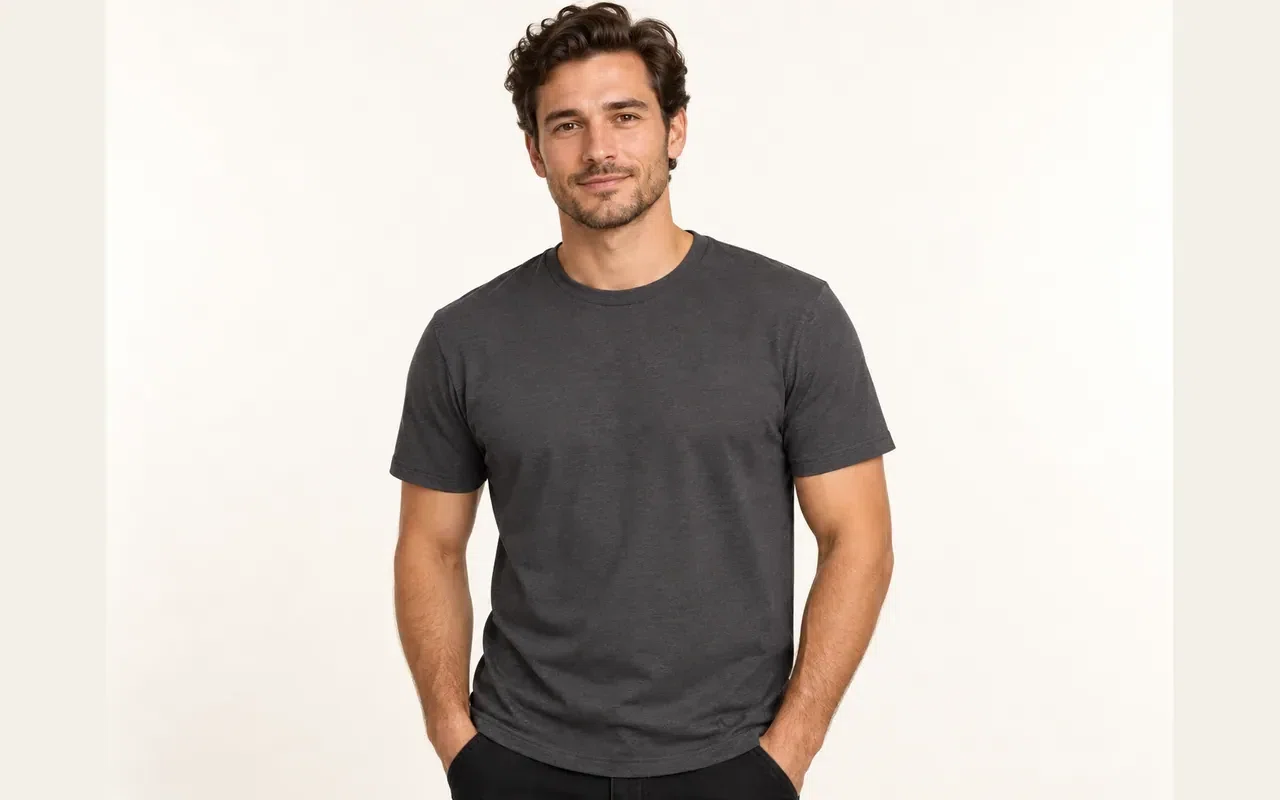
- Garment cost and decoration cost.
- Artwork, digitising or screen setup fees.
- Sample charges and approval stages.
- Packing, delivery and applicable taxes.
- Repeat-order charges and minimum quantities.
Also ask what happens if the logo changes. A revised design may require new preparation, even when the supplier has retained earlier files. Compare the first order and your likely reorder pattern together.
Choose by uniform role, not one rule for every garment
A mixed programme can use different finishes while maintaining consistent branding. For example, a hypothetical facilities team might shortlist embroidery for supervisors' polos and screen printing for large company names on crew T-shirts. Each choice still needs a fabric and sample check.
For sweatshirts, a small stitched chest logo and a large printed graphic serve different purposes. Assess the surface, backing, print coverage and comfort before deciding. Combining both methods on one garment also adds production steps and cost.
For a broader corporate uniform programme, document approved logo versions, positions and colours for each garment. Consistency comes from those controls, rather than using one decoration method everywhere.
Safety apparel needs a separate approval route. Do not assume that printing automatically preserves certification or that embroidery is universally prohibited. RESULT lists a certified high-visibility softshell with decoration guidance on its product specification page. This shows why decisions should be garment-specific, not a blanket rule about either method.
Ask the manufacturer to confirm the permitted method, logo size and position for the exact protective garment and intended use. Do not cover reflective areas or modify protective clothing without the appropriate approval.
A supplier checklist before you approve production
- Specify the garment: identify the fabric, colour, size range and intended role.
- Define the artwork: provide the logo file, finished dimensions and each placement.
- Describe the laundry: state the cleaning process and any workplace requirements.
- Review an actual sample: check lettering, colour, fabric distortion and comfort.
- Agree acceptance criteria: record the approved finish, placement tolerances and any wash assessment.
- Plan reorders: ask how artwork, thread or ink references, and garment changes will be controlled.
A digital mockup helps review layout, but it cannot demonstrate fabric feel or wash performance. Keep the approved sample and written specification together so future orders have a clear reference.
Prepare your uniform quote brief
Choose embroidery when a textured logo suits the garment and approved sample. Consider screen printing when a flat finish or larger graphic fits the fabric and order. Use the same approval process for both.
To discuss your requirements with StitchBase Uniform, request a uniform quote with your garment types, quantities, logo files, preferred placements, laundry needs and required delivery date. Include expected reorders if they will affect your decision.
StitchBase Uniform provides free mockups before production. Minimum order and estimated turnaround are confirmed with the quote; a physical sample and any performance checks should be discussed separately.
Frequently Asked Questions
Common questions related to this article.